
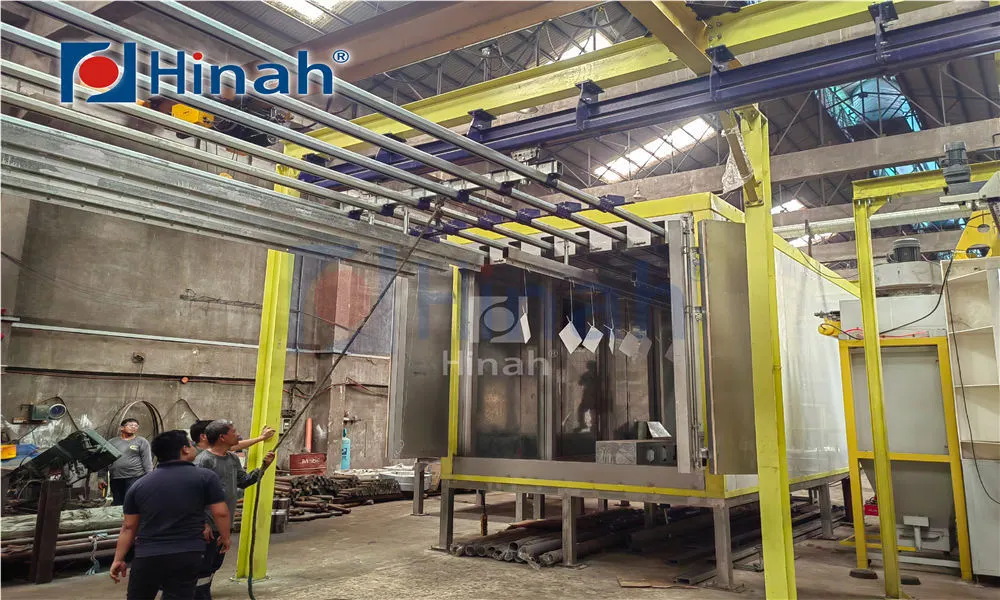
In today's competitive manufacturing landscape, achieving consistent, high-quality finishes while controlling costs and boosting throughput is paramount. This is where automated powder coating systems come into play. Moving beyond manual spray methods, these sophisticated solutions integrate robotics, advanced conveyance, and intelligent control software to create a seamless, efficient, and highly repeatable finishing process. For industries ranging from automotive and aerospace to furniture and heavy equipment, implementing an automated powder coating line is a strategic investment that drives productivity, minimizes waste, and ensures unparalleled coating consistency.
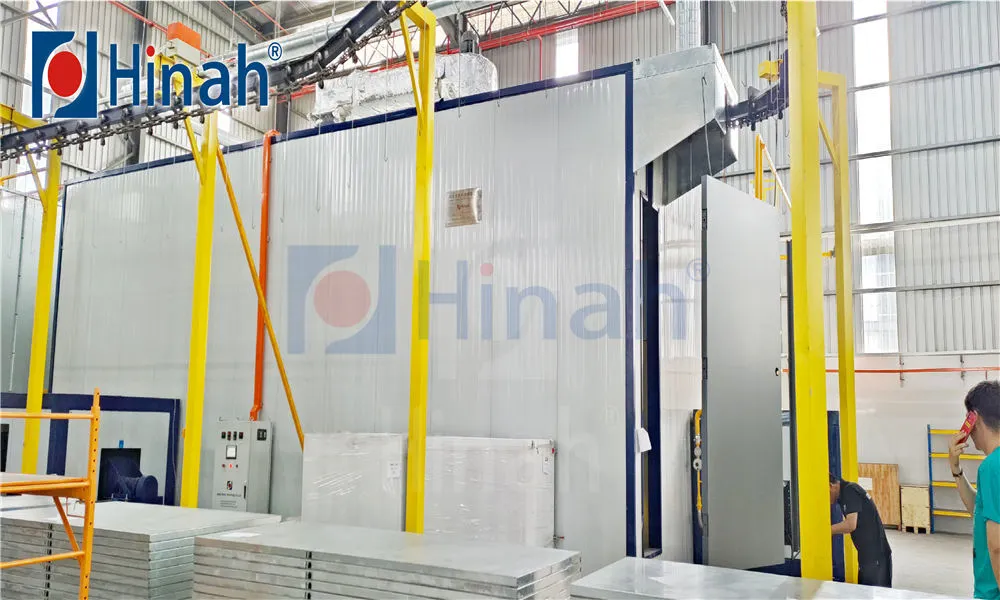
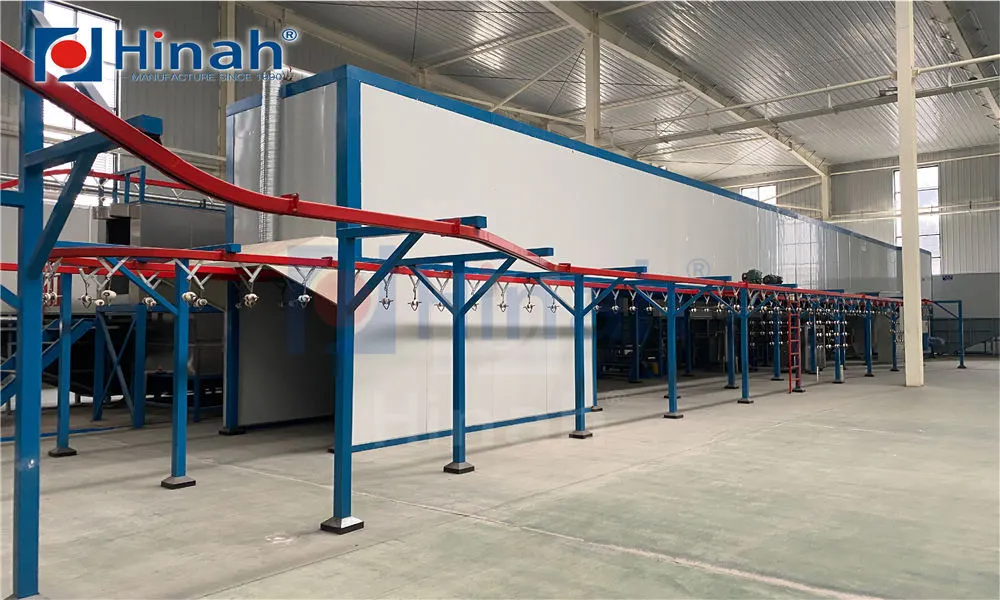
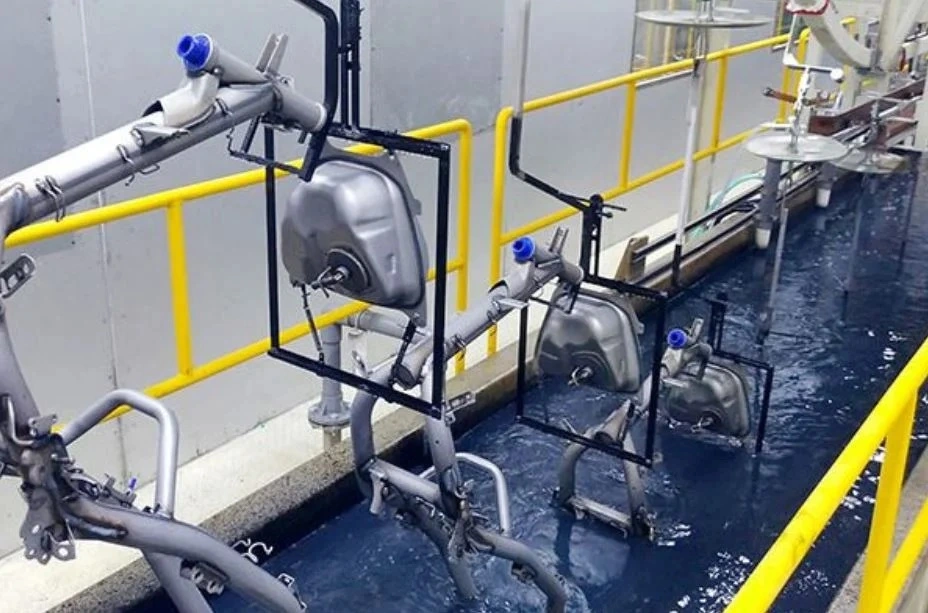
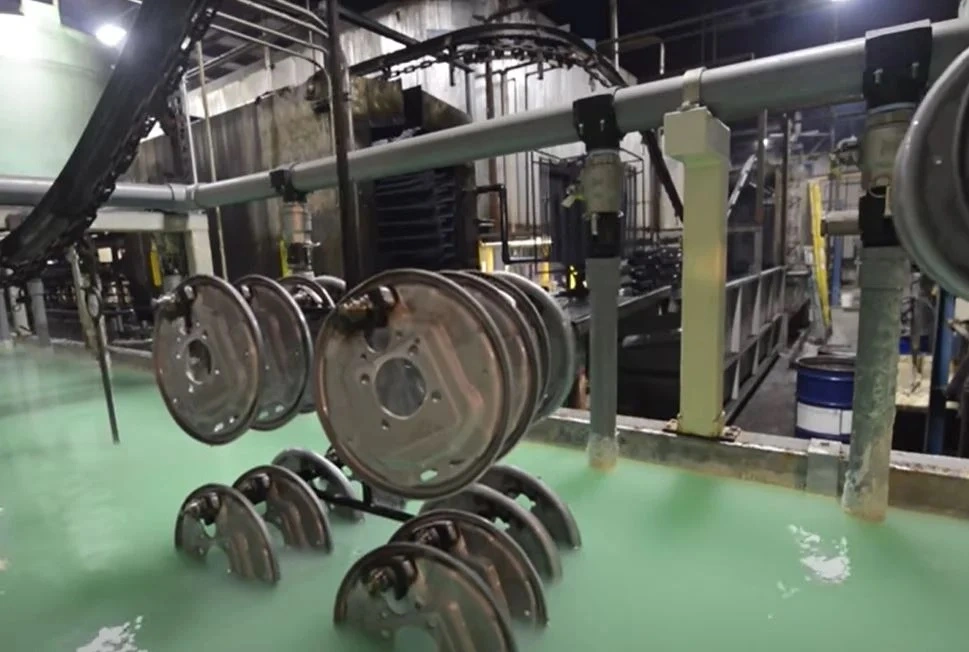
An automated powder coating system is a coordinated ensemble of several key components. The process typically begins with a pre-treatment stage—often automated as well—where parts are cleaned and prepared. The parts then enter the coating booth via an overhead conveyor system.
Inside the booth, robotic sprayers, programmed for specific part geometries, apply the powder coating. These robots follow precise paths, ensuring even coverage on complex shapes. The system is enclosed to contain overspray, which is then collected by a recovery system. Finally, the coated parts travel through a curing oven, where the powder melts and flows into a durable finish.
The shift to automated powder coating systems delivers transformative advantages. First and foremost is consistency. Robots eliminate human variability, applying the exact same film thickness and pattern every time. This drastically reduces reject rates.
Secondly, efficiency gains are substantial. Automated lines can operate continuously at high speeds, significantly increasing output. They also achieve superior material utilization. Advanced recovery systems can reclaim over 95% of overspray powder, slashing material costs.
Worker safety and environmental compliance are enhanced. Automating the process removes operators from the spray environment, reducing exposure. Enclosed systems better contain particulates, supporting cleaner plant operations.
When evaluating finishing options, the differences are stark. Manual coating relies heavily on operator skill and endurance. Consistency can waver, leading to uneven coats, runs, or insufficient coverage on complex parts. It is also slower and has higher material waste.
In contrast, automated powder coating systems deliver precision independent of shift changes or fatigue. They excel at handling high-volume production and intricate part geometries that challenge manual operators. The initial investment is higher, but the return through labor savings, material efficiency, and quality reliability is quickly realized.
These systems are indispensable in sectors demanding high volume, premium finish, and repeatability. The automotive industry uses them for wheels, chassis components, and accessories. Architectural aluminum for windows and façades benefits from consistent weather-resistant coatings.
Manufacturers of agricultural and construction machinery rely on them for durable finishes on large, complex parts. The appliance industry, producing items like washer drums or refrigerator racks, achieves flawless, hygienic surfaces. Even furniture and consumer electronics leverage automation for aesthetic perfection.
Choosing a system requires careful analysis. Start by evaluating your part mix—size, geometry, and volume. This determines booth size, the number and type of robots needed, and conveyor specifications.
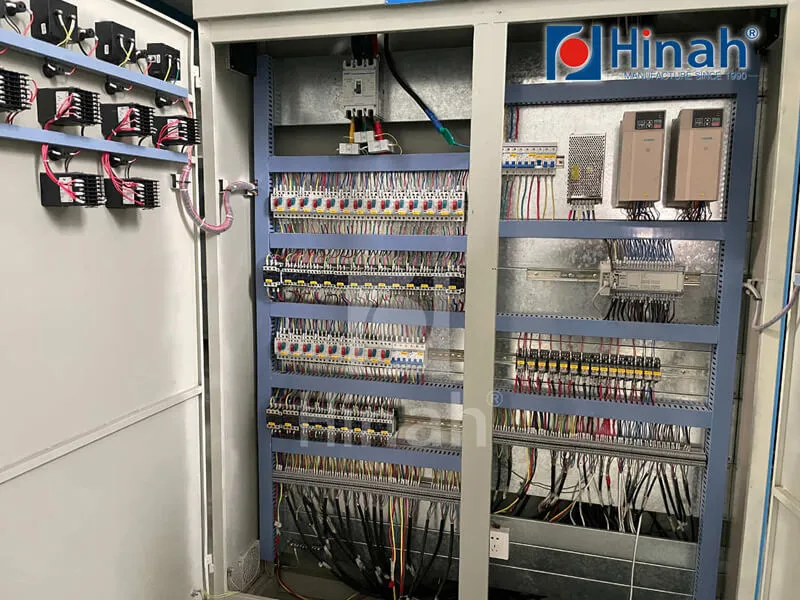
Consider the powder types you use. Some may require specific application equipment. Integration with existing pre-treatment and curing ovens is crucial for line harmony. Control software is the brain of the operation; it should offer intuitive programming, recipe management, and diagnostic capabilities.
Partnering with a seasoned provider like HANNA is critical. They assess your needs, design a tailored automated powder coating system, and support it with comprehensive service and expertise.
The capital cost of an automated powder coating system includes spray booths, robots, conveyors, control software, and installation. While not insignificant, the total cost of ownership often proves lower than manual operations over time.
Key savings come from reduced labor per part, lower powder consumption due to high transfer efficiency, and minimal rework. Increased throughput generates more revenue. A detailed ROI analysis from a supplier like HANNA will factor in these variables, typically showing a payback period of just a few years for high-volume producers.
Modern automated powder coating systems are feats of engineering. Advanced electrostatic spray guns ensure optimal powder charging and pattern control. Vision systems can now identify parts on the line and select the correct spray program automatically.
Integrated adaptive spraying adjusts parameters in real-time for optimal results. Powder recovery systems have become more efficient, with cyclonic and cartridge filter technologies. The Industry 4.0 trend connects these systems to plant networks, enabling predictive maintenance, real-time monitoring, and data analytics for continuous process improvement.
Selecting the right supplier is as important as the technology itself. Look for a partner with deep industry experience, a proven project portfolio, and strong references. They should offer full turnkey solutions, from design and installation to training and ongoing support.
HANNA stands out as a leader in this field. With decades of expertise, HANNA designs and builds robust, reliable automated powder coating systems tailored to specific client challenges. Their global service network ensures minimal downtime, making them a true long-term partner for manufacturers seeking to excel in finishing.
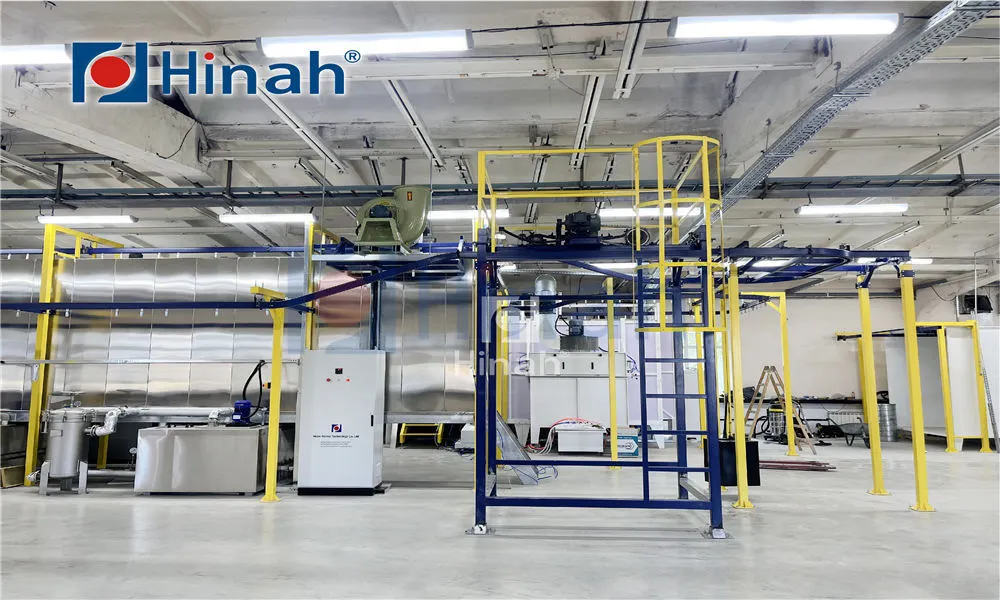
The evolution continues toward smarter, more flexible, and more sustainable systems. Expect greater integration of AI and machine learning for process optimization. Robotics will become more agile, handling smaller batches economically. Sustainable practices, including the use of low-cure powders and enhanced energy recovery from ovens, will be standard.
For manufacturers aiming to lead, investing in advanced automated powder coating systems is no longer a luxury but a necessity for quality, efficiency, and competitiveness.
Q1: What is the main advantage of an automated powder coating system over a manual one?
A1: The primary advantage is unmatched consistency and repeatability. Automated systems eliminate human variability, applying a perfectly uniform coating every time, which drastically improves quality and reduces material waste and rework.
Q2: Are automated powder coating systems only suitable for very high-volume production?
A2: While they deliver maximum ROI in high-volume settings, advancements in robotics and programming have made them increasingly viable for mid-volume and even batch production. Flexible robots can be quickly reprogrammed for different parts, making automation adaptable.
Q3: How significant are the material savings with an automated system?
A3: Savings are very significant. Advanced recovery systems in automated powder coating systems can reclaim over 95% of overspray powder for reuse. This high transfer efficiency can reduce powder consumption by 30-50% compared to manual spraying.
Q4: What kind of maintenance do these automated systems require?
A4: Regular preventive maintenance is essential for peak performance. This includes daily cleaning of spray guns and nozzles, checking filters in the recovery system, lubricating robotic arms, and updating software. A provider like HANNA typically offers scheduled service plans to ensure reliability.
Q5: Can HANNA integrate an automated powder coating system into our existing production line?
A5: Yes, absolutely. HANNA specializes in designing and engineering solutions that integrate seamlessly with existing conveyors, pre-treatment stages, and curing ovens. Their team will conduct a full site assessment to ensure a smooth and efficient integration process.