
In the world of industrial manufacturing, achieving a durable, uniform, and high-quality finish is non-negotiable. This critical process hinges on the backbone of modern finishing operations: the paint line system. More than just a conveyor and a spray booth, a sophisticated paint line system is an integrated, engineered solution that dictates efficiency, consistency, and overall product quality. From automotive parts and architectural aluminium to home appliances and metal furniture, a well-designed paint line system ensures that every component meets stringent aesthetic and protective standards.
For businesses aiming to scale, improve finish quality, or reduce environmental impact, understanding the components, types, and innovations in paint line technology is essential. This article delves into the key aspects of these systems, highlighting how they function and what to consider for optimal performance.
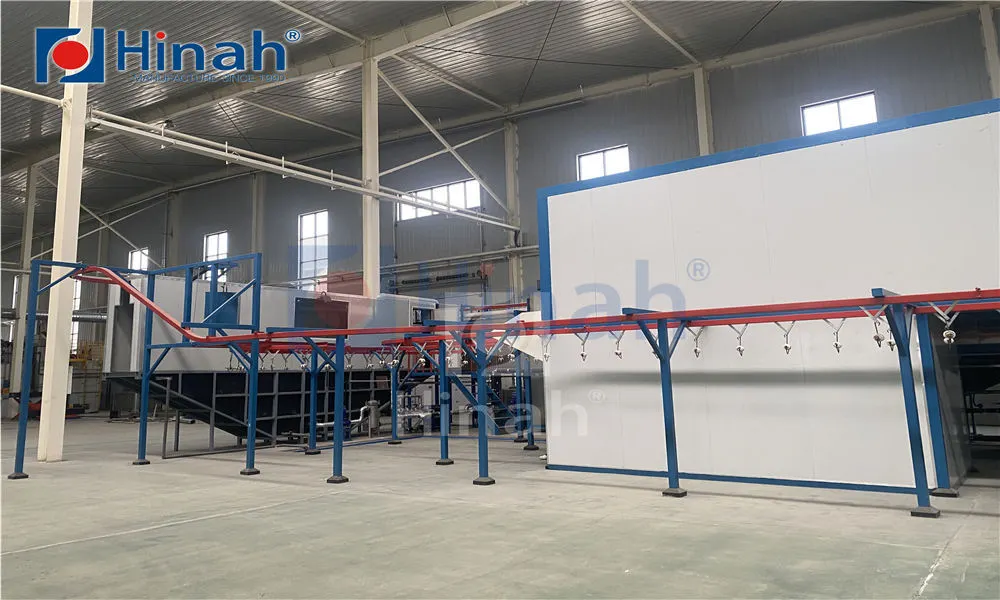
A fully integrated paint line system is a symphony of sequential stages. Each segment plays a vital role in preparing the substrate, applying the coating, and curing it to perfection.
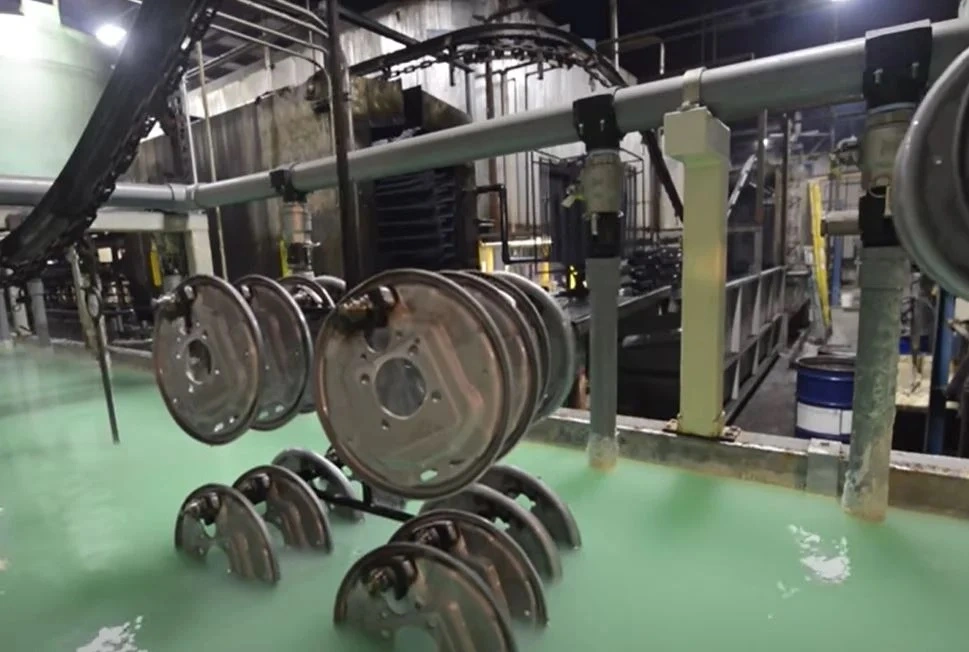
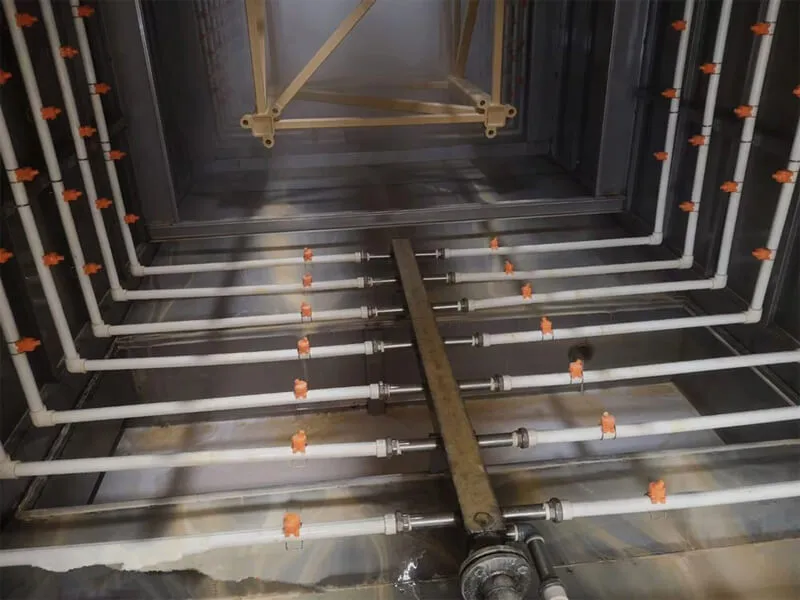
The journey begins with Pre-treatment. This stage is arguably the most crucial for adhesion and corrosion resistance. It typically involves cleaning, degreasing, rinsing, and applying a conversion coating (like phosphate or chrome-free alternatives) to the metal surface. A reliable paint line system automates this process in immersion or spray tunnels.
Next is the Drying Oven. After pre-treatment, parts must be completely moisture-free before coating. A dry-off oven ensures no water is trapped, which could cause defects later.
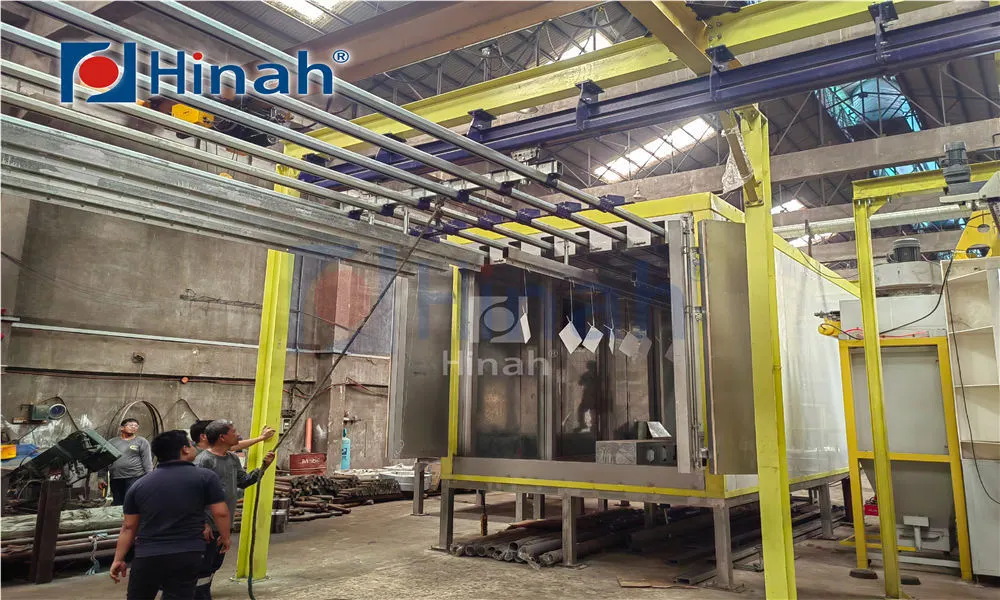
The heart of the operation is the Application Stage. For powder coating, this involves electrostatic spray booths where charged powder particles are attracted to the grounded part. Modern recovery systems, like cartridge filters or cyclones, are integral here, reclaiming over-sprayed powder for reuse, boasting efficiency rates over 95%.
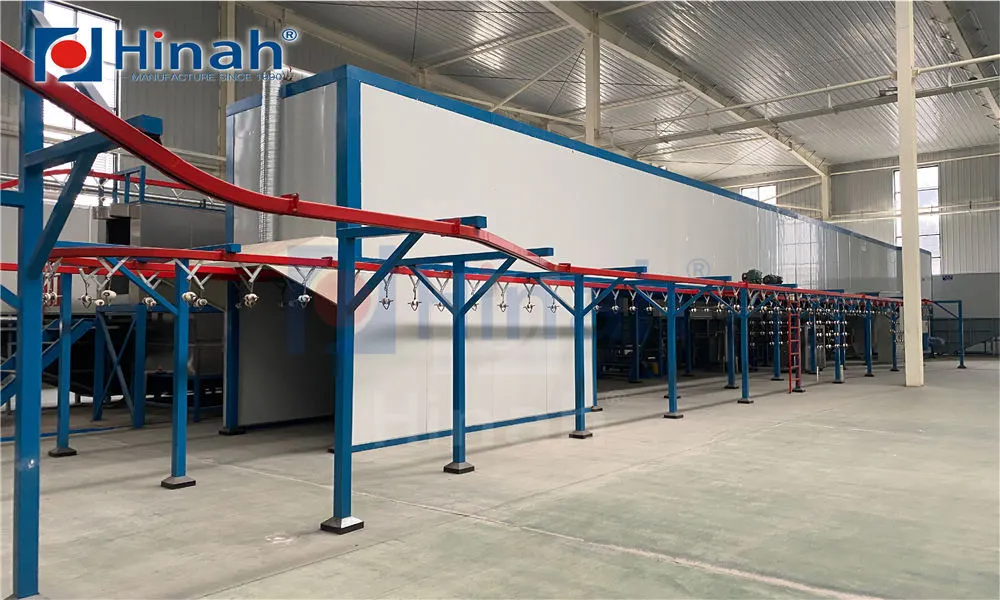
Following application, the part enters the Curing Oven. This oven heats the powder to its specified temperature, allowing it to flow and chemically cross-link into a smooth, hard film. Precise temperature and time control are mandatory.
Finally, the Material Handling and Conveyor System ties everything together. From monorails to belt conveyors, this component must be designed to move parts of varying sizes and weights smoothly between all stages without causing contamination or damage.
The choice of coating material fundamentally shapes the paint line system design. The two primary categories are powder and liquid coating lines.
Powder Coating Lines are dominant in many industries due to their environmental and efficiency benefits. They are virtually VOC-free, produce negligible hazardous waste, and allow for near-total material reuse. The paint line system for powder is designed around the principle of electrostatic application and powder recovery. It requires robust booth ventilation, precise electrostatic guns, and an efficient recovery unit.
Liquid Coating Lines, including solvent-based and waterborne paints, require different engineering. They need spray booths with extensive airflow and filtration to capture overspray and manage fumes. These systems often incorporate paint mix rooms, circulating pumps, and may require additional environmental controls like VOC abatement equipment (e.g., thermal oxidizers).
The trend is moving towards hybrid flexibility. Some advanced paint line system designs can handle both powder and certain liquid coatings, offering manufacturers greater adaptability.
Selecting a paint line system is a significant capital investment. Several factors must guide this decision to ensure long-term productivity and return.
Production Volume and Part Size are primary drivers. A high-volume operation needs a fast, automated system with high-transfer-efficiency guns and rapid color change capabilities. The conveyor and oven must accommodate the largest and heaviest parts.
Desired Finish Quality and Material dictate the technology. If aiming for a thick, textured finish or specific mechanical properties, powder might be ideal. For ultra-thin films or certain metallic effects, a liquid paint line system may be necessary.
Space and Facility Constraints are practical considerations. A compact, modular paint line system might be perfect for a growing business, while large-scale greenfield facilities can opt for linear, high-throughput designs.
Finally, Environmental and Safety Regulations are non-negotiable. Compliance with local emissions, waste disposal, and workplace safety standards must be engineered into the system from the start.
At HANNA, we specialize in designing and manufacturing high-performance paint line system solutions tailored to the unique challenges of the global powder coating industry. Our expertise lies in creating integrated systems that maximize uptime, finish quality, and material savings.
A HANNA paint line system is built for durability and precision. We focus on robust conveyor engineering that minimizes maintenance, high-efficiency curing ovens with optimized airflow for even heat distribution, and powder application booths known for superior recovery rates and clean operation.
We understand that one size does not fit all. Whether you are setting up a new line or retrofitting an existing operation, HANNA works closely with clients to engineer a paint line system that meets specific production goals, space limitations, and regulatory requirements. Our solutions are designed to be the reliable, efficient core of your finishing department for years to come.
The evolution of the paint line system is driven by two powerful forces: sustainability and digitalization.
Sustainable design is now a standard expectation. Modern systems emphasize reducing energy consumption in ovens through better insulation and heat recovery, using chrome-free pre-treatment chemicals, and maximizing powder or paint utilization to minimize waste. A next-generation paint line system is measured by its environmental footprint as much as its output.
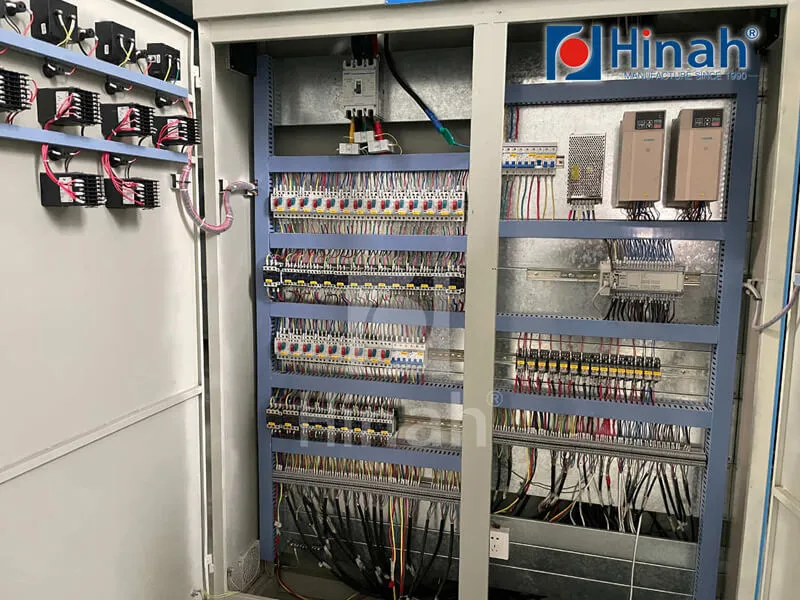
Simultaneously, Industry 4.0 is making its mark. Smart paint line system integrations include IoT sensors for predictive maintenance, real-time monitoring of oven temperature profiles, and data analytics to track powder usage and efficiency. These technologies empower operators to prevent defects before they happen and optimize every parameter for peak performance.
Investing in the right paint line system is a strategic decision that impacts product quality, operational cost, and environmental compliance. From the essential stages of pre-treatment and curing to the advanced technologies of powder recovery and smart controls, each component must be expertly engineered and integrated.
For manufacturers seeking a reliable, high-quality finish, partnering with an experienced provider like HANNA ensures access to tailored, robust paint line system solutions. By focusing on efficiency, durability, and innovation, a well-chosen system becomes not just an expense, but a competitive advantage in the demanding industrial marketplace.
Q1: What is the most critical stage in a paint line system for ensuring coating adhesion?
A1: The pre-treatment stage is universally considered the most critical. Proper cleaning, degreasing, and conversion coating create a chemically active, contaminant-free surface. Any failure here, such as oil residue or inadequate phosphate coating, will lead directly to poor adhesion, blistering, or premature corrosion, regardless of how advanced the subsequent application and curing stages are.
Q2: How do I choose between a powder coating line and a liquid paint line system?
A2: The choice depends on several factors. Powder coating lines are generally preferred for their superior durability, environmental benefits (near-zero VOCs, high material reuse), and efficiency on medium-to-thick coatings. Liquid systems (especially waterborne) may be better for applications requiring very thin films, specific metallic effects, or on heat-sensitive substrates. A detailed analysis of your product requirements, production volume, and environmental regulations is necessary.
Q3: Can a paint line system be automated, and what are the benefits?
A3: Absolutely. Modern paint line systems are highly automated. This includes automated pre-treatment chemical dosing, robotic spray guns for consistent application, and fully programmable curing ovens. Benefits include dramatically improved consistency (reducing human error), increased throughput, better material usage, enhanced worker safety by removing them from hazardous environments, and precise data collection for quality control.
Q4: How does a powder coating paint line system contribute to environmental sustainability?
A4: A powder coating line system is inherently more sustainable than many traditional liquid lines. First, powder coatings contain no solvents, thus emitting negligible VOCs. Second, overspray recovery systems typically reclaim and reuse over 95% of unused powder, drastically reducing solid waste. Finally, modern systems are designed with energy-efficient ovens and often use non-toxic, chrome-free pre-treatment chemicals, further minimizing the environmental footprint.
Q5: What are the key maintenance requirements for a paint line system to ensure longevity?
A5: Regular preventative maintenance is vital. Key tasks include: daily cleaning of spray booth filters and reclaim systems to maintain efficiency; regular inspection and lubrication of the conveyor chain; calibration of oven temperature sensors and thermocouples; checking and cleaning pre-treatment spray nozzles; and monitoring the condition of pumps, fans, and electrical systems. A well-maintained system prevents unplanned downtime and ensures consistent finish quality.