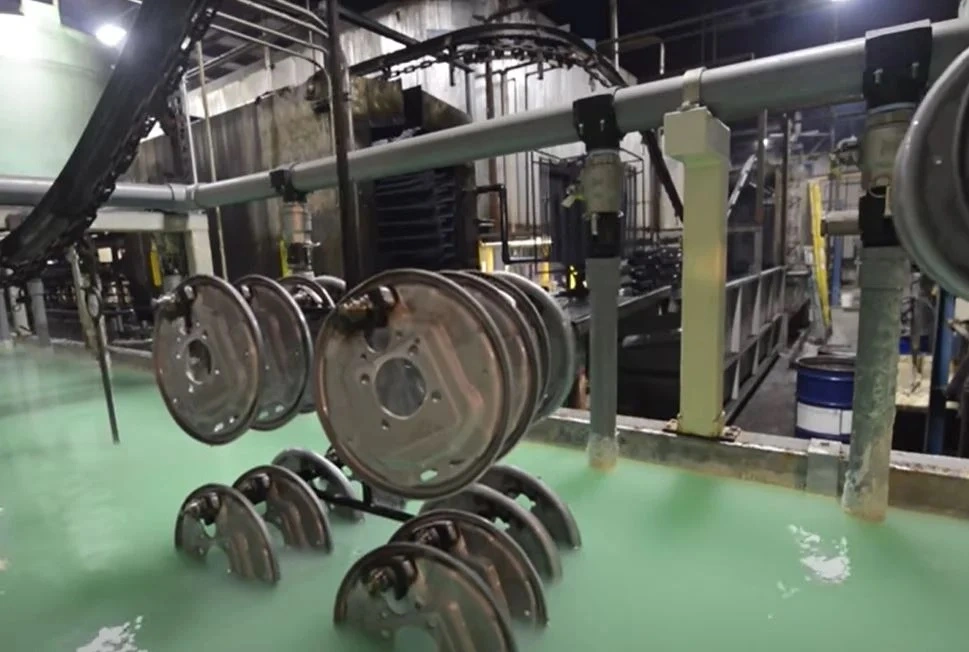
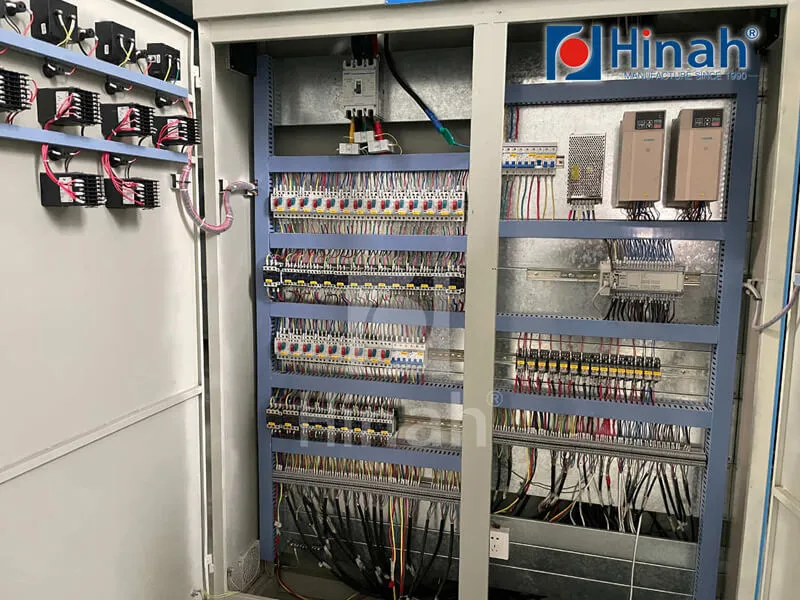

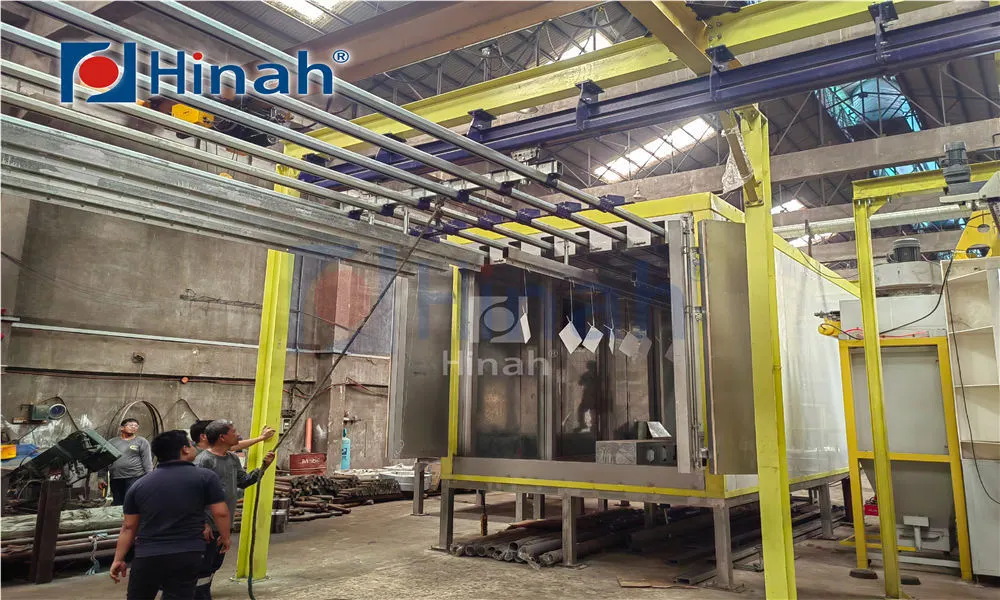
The composite curing oven represents the single most critical thermal processing asset in advanced composite manufacturing. Whether fabricating aerospace primary structures, automotive carbon fiber components, or wind turbine blades, the oven’s ability to deliver precise, repeatable thermal profiles directly determines final part properties—degree of cure, void content, glass transition temperature (Tg), and residual stress distribution. This article examines the engineering principles that separate high-performance thermal processing from inconsistent, defect-prone curing.
HANNA has engineered curing systems for composite manufacturers across North America and Europe, documenting that facilities implementing validated thermal protocols reduce cure-related reject rates by 22–35% while cutting energy consumption per part by 18–25%. The following sections detail the thermodynamic, control, and compliance considerations essential for modern composite processing.
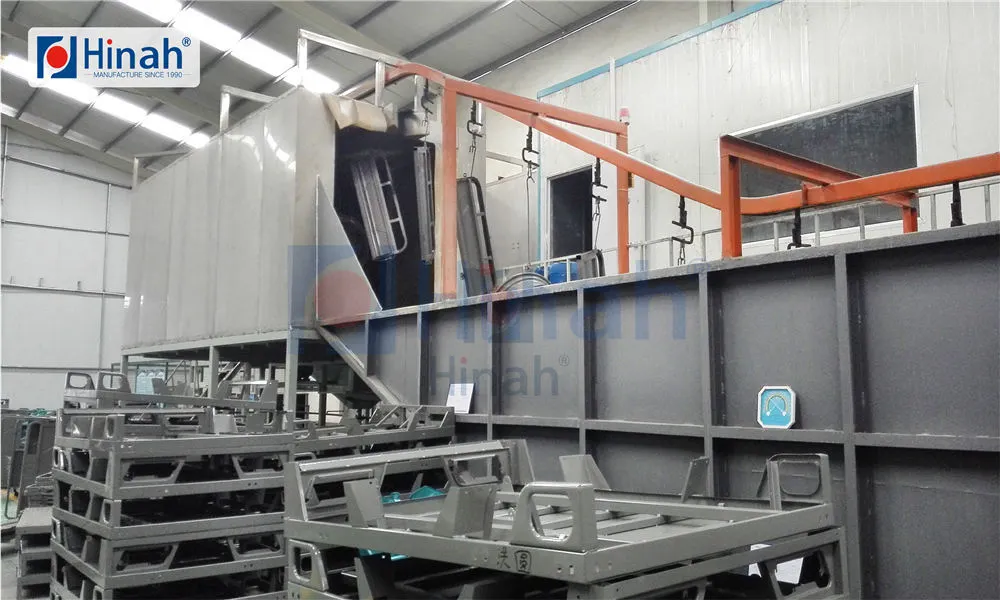
Composite curing involves exothermic chemical reactions that must be carefully managed. Thermoset resins—epoxy, BMI, polyester, vinyl ester—undergo cross-linking when exposed to precise temperature-time profiles. The composite curing oven must deliver three distinct phases with high accuracy:
Ramp Phase: Controlled heating rate (typically 1–3°C/min) to initiate resin flow and fiber wet-out. Excessive ramp rates can induce thermal gradients that cause resin starvation or fiber distortion.
Dwell Phase: Isothermal hold at cure temperature (ranging from 120°C for epoxy prepregs to 180–200°C for BMI and high-temperature resins). Temperature uniformity during dwell directly influences cross-link density and final Tg.
Cool-Down Phase: Controlled cooling (typically ≤3°C/min) to prevent residual stress formation. Uncontrolled cooling can cause warpage, microcracking, and dimensional instability.
Advanced composite curing oven designs incorporate zone-specific heating elements and recirculation patterns that maintain part temperature within ±2°C of setpoint throughout the dwell phase—a requirement increasingly mandated by aerospace specifications such as AMS 2750 for pyrometry.
Temperature uniformity across the oven workspace directly correlates with cured part consistency. Non-uniformity as low as ±5°C can produce under-cured regions (low Tg, reduced mechanical properties) or over-cured areas (brittleness, color degradation). Key design factors affecting uniformity include:
Airflow Architecture: Horizontal vs. vertical airflow configurations each offer advantages. Horizontal flow with strategically placed turning vanes provides superior uniformity for long, narrow parts (e.g., aircraft stringers). Vertical downflow designs excel for tall, stacked fixtures.
Plenum Design: Perforated plenums with variable orifice sizing compensate for pressure drop along the airflow path. Computational fluid dynamics (CFD) modeling during design phase predicts and eliminates dead zones.
Zone Control: Multi-zone ovens with independent PID controllers for each zone allow compensation for thermal loads from high-mass tools or exothermic reactions. Zones should be configured to allow ±1°C control stability.
Qualification of any composite curing oven requires thermal uniformity surveys (TUS) per industry standards. For aerospace applications, AMS 2750 mandates TUS at defined intervals using calibrated thermocouples positioned throughout the working zone, with acceptance criteria typically ±3°C or tighter based on process requirements.
Modern composite manufacturing demands complete traceability of cure cycles. A compliant composite curing oven must integrate:
Redundant Thermocouple Inputs: Minimum of two sensors per control zone plus independent part-mounted thermocouples for process monitoring. Type K thermocouples with annual calibration verification are standard.
PLC-Based Control: Programmable logic controllers with battery-backed recipe storage enable repeatable cure cycles. Systems should store a minimum of 100 recipes with operator access controls.
Data Logging: Continuous recording of all process variables—temperature per zone, part temperature, ramp rates, dwell times, and alarm conditions—with secure electronic records. Data retention should align with customer and regulatory requirements (typically 10–25 years for aerospace components).
Remote Monitoring: Ethernet connectivity allowing off-site process observation and alarm notification reduces downtime. Systems with historian databases enable statistical process control (SPC) analysis across batches.
Suppliers that integrate these capabilities into a unified platform eliminate the finger-pointing between oven controls and separate data acquisition systems that plagues many manufacturing sites.
Composite curing ovens are typically among the highest energy consumers in a manufacturing facility. Energy-efficient design features include:
Insulation Specifications: High-density mineral wool (minimum 6 inches, 150mm) with multiple layers staggered at joints minimizes thermal bridging. Insulated doors with perimeter gaskets prevent infiltration losses.
Modulating Burners vs. On/Off Control: For gas-heated ovens, modulating burners maintain temperature with continuous flame adjustment rather than frequent cycling, reducing gas consumption by 12–18% and extending equipment life.
Variable Frequency Drives (VFDs): VFDs on recirculation fans allow airflow adjustment to match process requirements, reducing electrical consumption by 30–50% during dwell and cool-down phases.
Waste Heat Recovery: For ovens exhausting significant airflow, heat exchangers can preheat incoming makeup air or provide facility heating, with payback typically 2–3 years in cold climates.
Energy modeling during the specification phase allows manufacturers to project operating costs and compare lifecycle economics across composite curing oven designs.
Different composite sectors impose distinct demands on curing equipment:
Aerospace Primary Structures: Require ovens meeting Nadcap accreditation standards, including pyrometry per AMS 2750, clean construction (no exposed insulation), and complete process traceability. Autoclave alternatives for out-of-autoclave (OOA) prepregs demand vacuum bag integration and pressure capability up to 100 psi.
Automotive Composites: High-volume production requires rapid cycle times. Conveyorized or car-bottom ovens with forced air impingement reduce cycle times to 20–40 minutes for Class A body panels. Fast ramp rates (up to 5°C/min) require advanced control algorithms to prevent overshoot.
Wind Turbine Blades: Massive part dimensions (up to 100+ meters) demand modular oven sections with sectionalized heating and transportable curing zones. Temperature uniformity across the entire blade length is critical to prevent warpage that would compromise aerodynamic performance.
Military and Ballistic Composites: Often specify low-pressure (<50 psi) or atmospheric curing with strict resin flow control. Ovens require validated cure cycles with real-time viscosity monitoring via dielectric sensors.
Qualification of a composite curing oven extends beyond thermal surveys. Comprehensive validation includes:
Installation Qualification (IQ): Verification that equipment is installed per specifications—electrical supply, gas connections, ventilation, and safety interlocks.
Operational Qualification (OQ): Testing of all control functions, alarm systems, and safety devices. Includes empty-chamber thermal uniformity surveys across the defined working zone.
Performance Qualification (PQ): Cure cycles run with production-representative tooling and parts, demonstrating ability to achieve specified mechanical properties and void content (typically <1% for aerospace grade).
For manufacturers serving regulated industries, suppliers that provide comprehensive validation documentation reduce the time to production approval by months.
Chronic issues in composite curing often trace to oven design limitations:
Pain Point: Exothermic Runaway in Thick
Laminates
Solution: Ovens with adaptive ramp control that
reduces heating rate when internal part temperatures exceed programmed limits.
Dielectric or fiber-optic sensors embedded in tooling provide real-time resin
temperature data.
Pain Point: Tooling-Induced
Non-Uniformity
Solution: CFD modeling of loaded oven
conditions to predict thermal shadowing from high-mass tools. Supplemental
radiant panels or adjustable airflow baffles compensate for local cold
spots.
Pain Point: Contamination from
Outgassing
Solution: Ovens with active exhaust systems
sized to remove volatiles during initial ramp phase (typically 4–8 air changes
per hour). Post-cure bake-out cycles maintain interior cleanliness.
Pain Point: Documentation Gaps for Regulatory
Audits
Solution: Integrated data management systems that
automatically generate batch records, trace thermocouple calibrations, and flag
deviations from recipe parameters.
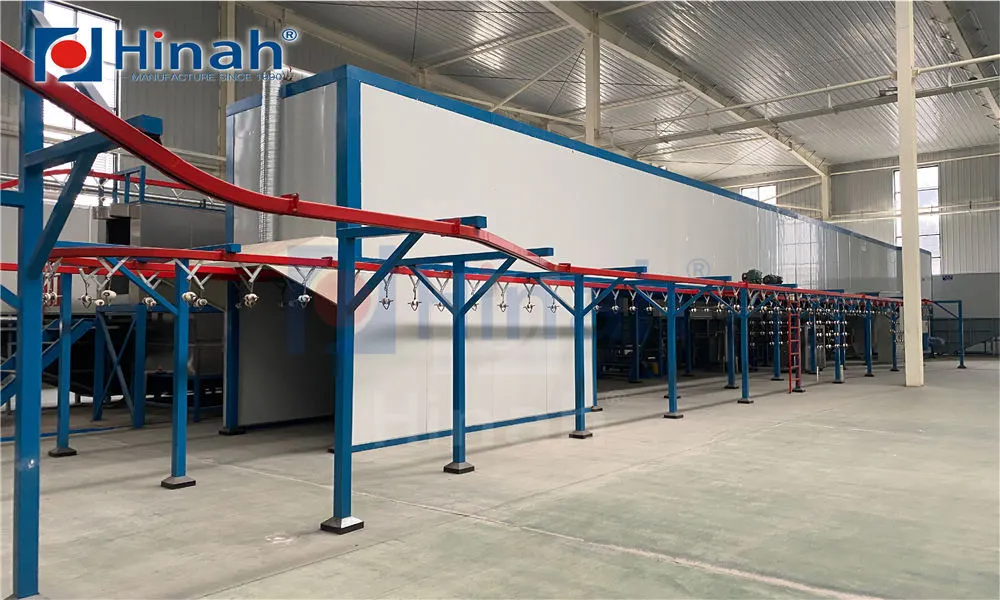
Selecting a composite curing oven requires evaluating the supplier’s ability to provide integrated solutions. HANNA delivers turnkey curing systems that incorporate thermal engineering, control integration, and validation support. The company’s approach includes:
CFD-optimized airflow design documented prior to fabrication
Factory acceptance testing (FAT) with witness testing of thermal uniformity
Field installation with IQ/OQ documentation packages
Operator and maintenance training with process-specific curriculum
Remote diagnostics and performance monitoring post-commissioning
This integrated model reduces the coordination burden on manufacturers and ensures that equipment performance aligns with production requirements from day one.
The composite curing oven functions as the thermal heart of composite manufacturing, directly influencing part quality, production throughput, and operating cost. Success requires a systems-level approach that addresses thermal uniformity, control precision, energy efficiency, and compliance documentation. Manufacturers that invest in ovens designed with validated thermal architectures, integrated data systems, and supplier partnerships achieve higher first-pass yields, reduced cycle times, and the traceability demanded by regulated industries.
Q1: What temperature uniformity should I expect from a
high-performance composite curing oven?
A1: For
aerospace-grade applications, uniformity within ±3°C across the working zone
during dwell is standard per AMS 2750. For automotive and industrial
applications, ±5°C is typical. High-performance ovens using multi-zone control
and CFD-optimized airflow can achieve ±2°C. Uniformity specifications should be
validated through a thermal uniformity survey (TUS) with a minimum of nine
thermocouples per zone during acceptance testing.
Q2: How often must a composite curing oven undergo pyrometry
re-certification?
A2: Under AMS 2750, pyrometry
requirements include: (1) system accuracy tests (SAT) every 3 months; (2)
thermal uniformity surveys (TUS) every 12 months; (3) thermocouple calibration
checks every 6 months for control sensors and prior to each TUS for survey
sensors. Frequency may increase based on usage or customer specifications.
Failure to maintain certification can result in rejection of parts requiring
NADCAP accreditation.
Q3: What are the primary differences between a composite curing oven
and an autoclave?
A3: A composite curing
oven operates at atmospheric pressure and relies on convection heating.
An autoclave combines pressure (typically 50–200 psi) with heat, enabling
consolidation of laminates with reduced void content. Ovens are used for
out-of-autoclave (OOA) prepregs designed to cure at atmospheric pressure, or for
post-cure operations. Autoclaves offer superior void reduction but have higher
capital cost, slower cycle times, and greater operational complexity.
Q4: How do I determine the required oven size for large composite
parts like wind turbine blades?
A4: Oven dimensions
must accommodate the largest part plus tooling and allow sufficient clearance
for airflow (typically 12–24 inches around all sides). For blade manufacturing,
modular ovens constructed in sections allow extension as blade lengths increase.
Airflow velocity at the part surface must remain between 200–400 ft/min for
effective heat transfer without disturbing uncured plies. CFD modeling with the
actual tooling and part geometry is recommended for designs exceeding 10 meters
in length.
Q5: What safety systems are required for a gas-heated composite
curing oven processing epoxy resins?
A5: Safety
requirements include: (1) redundant flame monitoring with automatic gas shutoff;
(2) purge timers ensuring at least 4 air changes before ignition; (3)
high-temperature limit switches with independent sensor and manual reset; (4)
forced exhaust interlocked with burner operation; (5) combustible gas detection
in the oven cavity for processes generating volatiles; (6) emergency stop
buttons at all access points. Compliance with NFPA 86 (Standard for Ovens and
Furnaces) is mandatory for insurance and code acceptance.