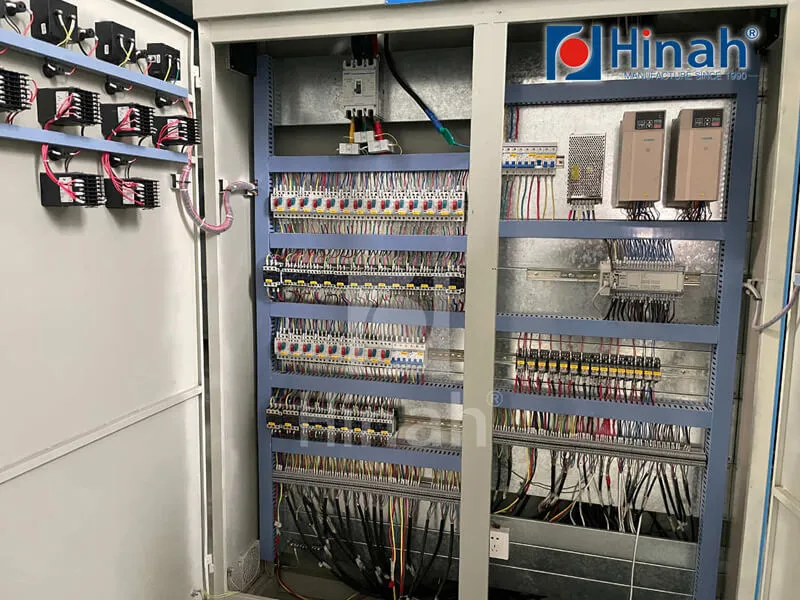

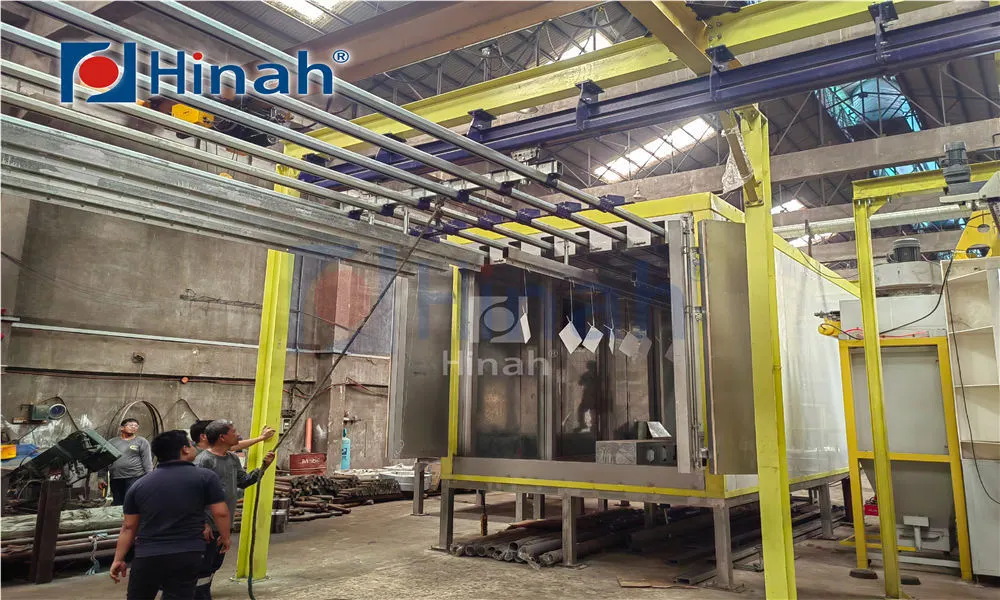
A well-integrated powder coating system is the backbone of a durable, high-quality, and efficient finishing operation. It’s far more than just a spray booth and an oven; it's a synchronized chain of pretreatment, application, curing, and material handling. Choosing the right system is a major capital decision that impacts your product quality, throughput, and bottom line for years to come.
Many buyers focus on individual components. This can lead to a mismatched powder coating system where bottlenecks and quality inconsistencies are baked in from the start. The key is to view it as a complete, interconnected process. This guide will help you ask the right questions and understand the critical components to build or select a system that meets your precise production goals.
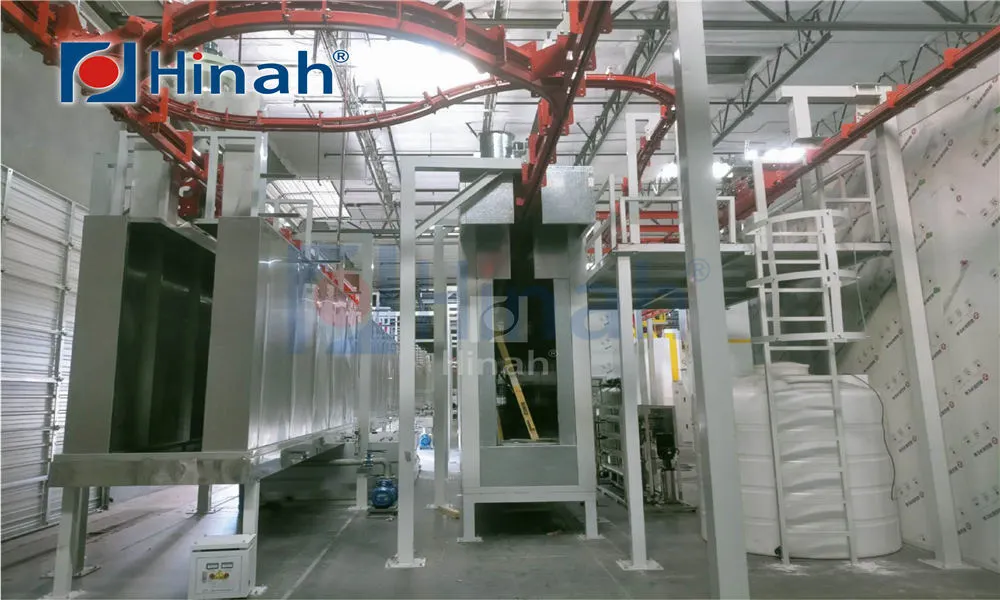
Every effective line is built on these fundamental stages. Weakness in any one area compromises the entire finish.
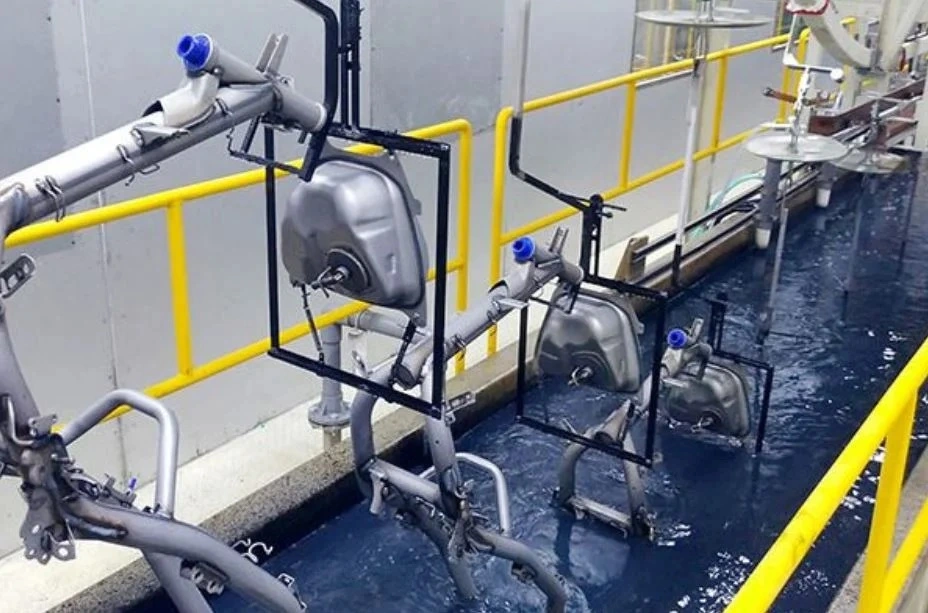
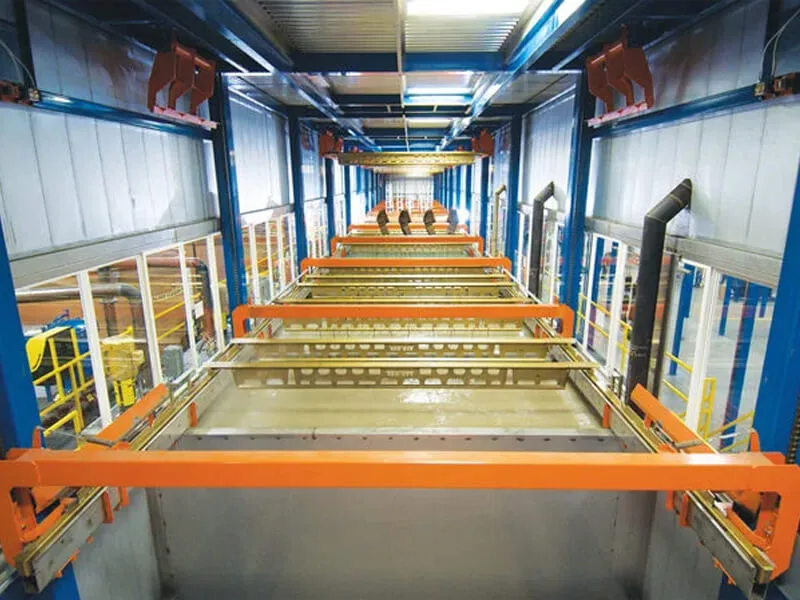
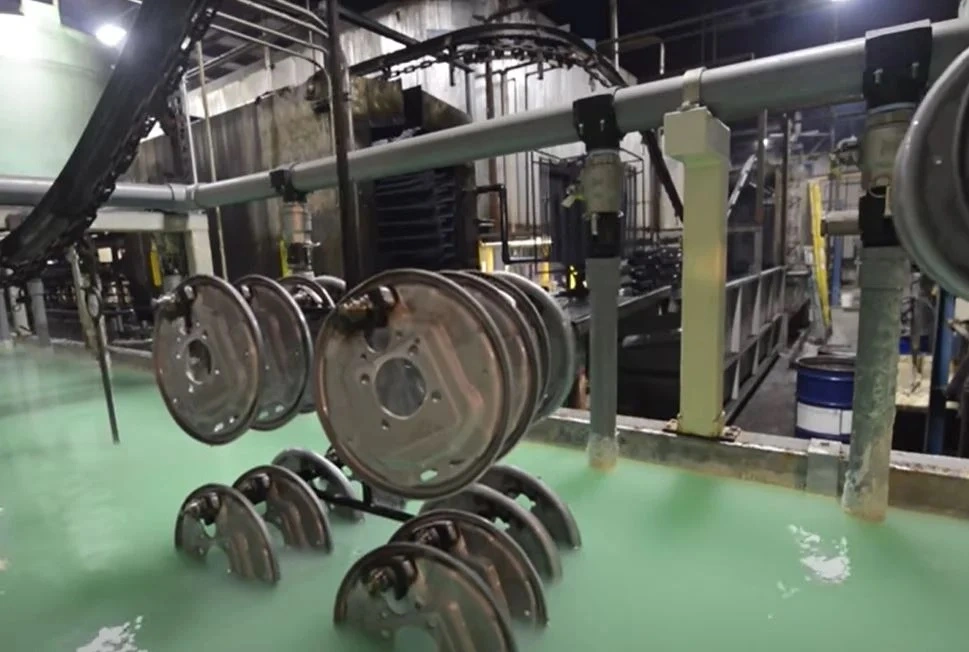
Pretreatment Stage: The Foundation of Adhesion
This is arguably the most critical step. Proper cleaning and chemical pretreatment remove oils, dirt, and oxidation while creating a surface that dramatically improves powder adhesion and corrosion resistance.
Application & Spray Booth: Where Precision Happens
This is where the powder is applied to the part. The environment must be controlled to ensure efficiency and operator safety.
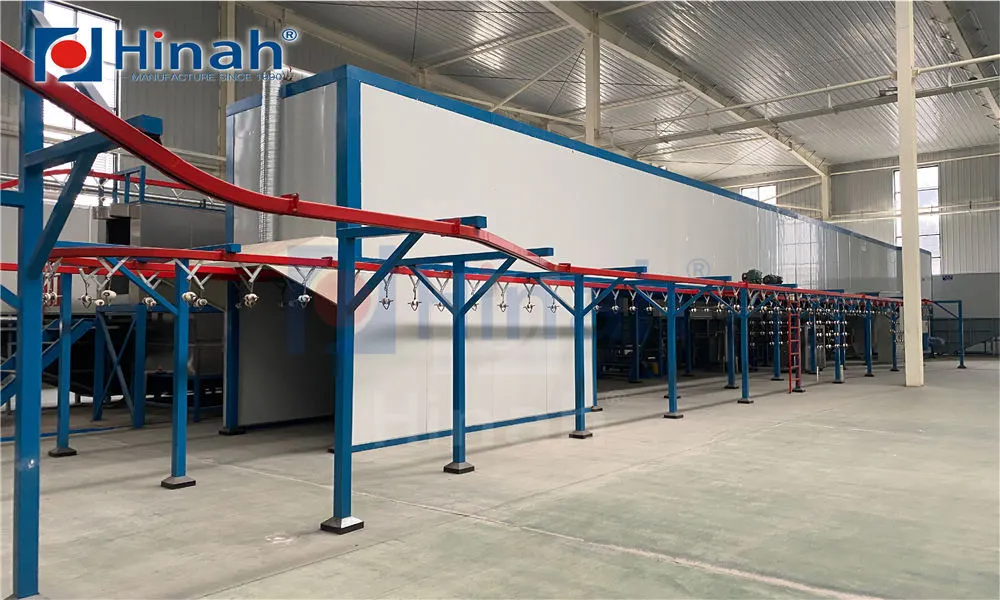
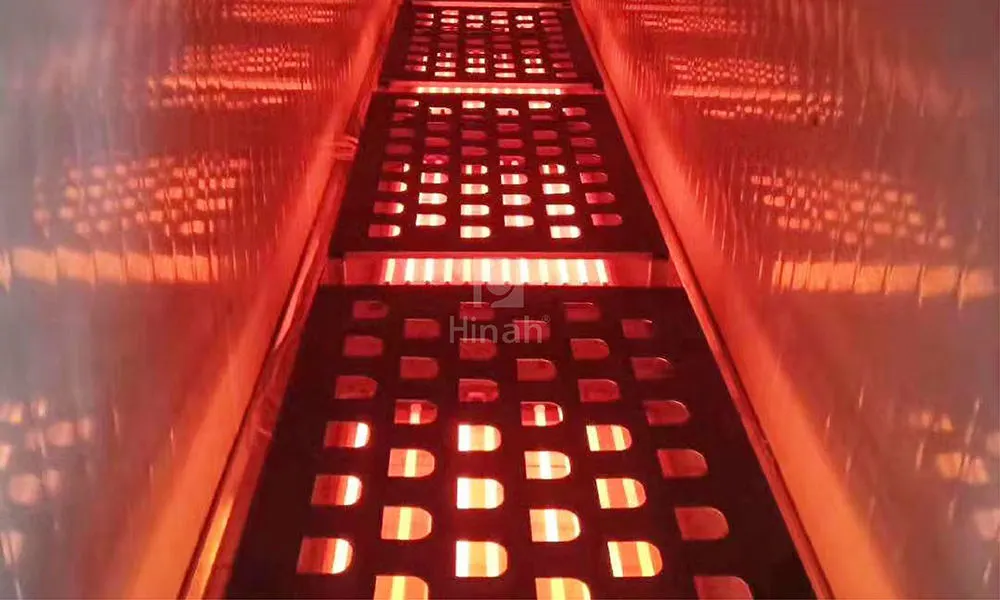
Curing Oven: Achieving Performance Properties
The oven is where the chemical cross-linking occurs, transforming the powder into a hard, durable finish.
Material Handling & Conveyor System: The Logistics Backbone
This component moves parts reliably through each stage without damage or jamming.
Your production volume and part mix dictate the fundamental architecture of your powder coating system.
Manual/Batch Systems
Ideal for job shops, prototyping, or low-volume, high-variety production. Parts are processed in batches through each stage.
Automated/Continuous Systems
The standard for medium to high-volume manufacturing where parts are similar in size and cure schedule.
Beyond the basic components, these factors will define the success of your powder coating system.
Production Requirements:
Define your peak and average daily output. Know the dimensions and weight of your largest and smallest parts. This data is essential for sizing every component.
Available Space & Facility Constraints:
Map your available floor space and ceiling height. Consider utility access (electricity, gas, water, drain) and workflow to and from the line.
Powder Types & Finish Specifications:
Will you be using standard epoxies/polyesters, or do you need capabilities for specialized powders like metallics or low-cure formulas? This affects gun technology and oven parameters.
Future-Proofing & Scalability:
Consider your growth plans. Can the system be modularly expanded? Choosing a partner like HANNA, which designs for scalability, protects your long-term investment.
The purchase price is just one part of the financial equation for your powder coating system.
Capital Expenditure (CapEx): This is the upfront cost for equipment, installation, and commissioning.
Operational Expenditure (OpEx): These are the ongoing costs that determine your cost-per-part:
Designing and integrating a high-performance powder coating system requires deep process engineering knowledge. This is where a specialized partner provides immense value.
HANNA doesn't just sell ovens or booths. We provide complete thermal and finishing process solutions. Our engineers work with you to analyze your workflow, recommend the optimal system layout, and ensure all components—from the washer to the conveyor to the curing oven—are perfectly synchronized.
We focus on building durability, efficiency, and control into every system. This integrated approach minimizes future headaches, reduces your total cost of ownership, and delivers a finish that meets the highest quality standards day after day.
Selecting the right powder coating system is a strategic decision that defines your finishing capability. By focusing on the complete process, accurately assessing your needs, and calculating the true total cost of ownership, you can make an investment that pays dividends in quality, efficiency, and scalability for the long term.
Partnering with an experienced and integrated supplier like HANNA transforms this complex project from a challenge into a competitive advantage for your business.
Q1: What is the most overlooked component in a powder coating system?
A1: The pretreatment stage is often underestimated. Inadequate cleaning or conversion coating is the primary cause of adhesion failure and premature corrosion, no matter how advanced the spray or cure equipment is. It truly is the foundation of the entire process.
Q2: Can I automate a powder coating system later if I start with a manual line?
A2: It is possible but can be challenging and costly. True automation requires compatible booth design, conveyor integration, and often oven modifications. Planning for future automation from the start with a scalable system design from HANNA is a more efficient and cost-effective path.
Q3: How much facility space do I typically need for a full system?
A3: Space needs vary dramatically. A compact batch system might fit in 500 sq. ft., while an automated conveyor line with pretreatment can easily require 3,000+ sq. ft. A detailed layout from your supplier, accounting for part clearance and service access, is crucial before any purchase.
Q4: What is "transfer efficiency" and why does it matter for cost?
A4: Transfer efficiency is the percentage of sprayed powder that actually adheres to the part. Higher efficiency means less waste powder in the booth filters and recovery system. Advanced application technology and proper grounding from a well-designed system like HANNA's can significantly reduce your powder material costs.
Q5: Why is oven temperature uniformity more important than just maximum temperature?
A5: Powder coatings require a specific time-at-temperature to cure properly. If an oven has hot and cold spots, some parts will be under-cured (weak finish) while others are over-cured (brittle). Precision-engineered ovens from HANNA ensure uniformity (±5°C or better), guaranteeing every part meets the exact cure specification.