

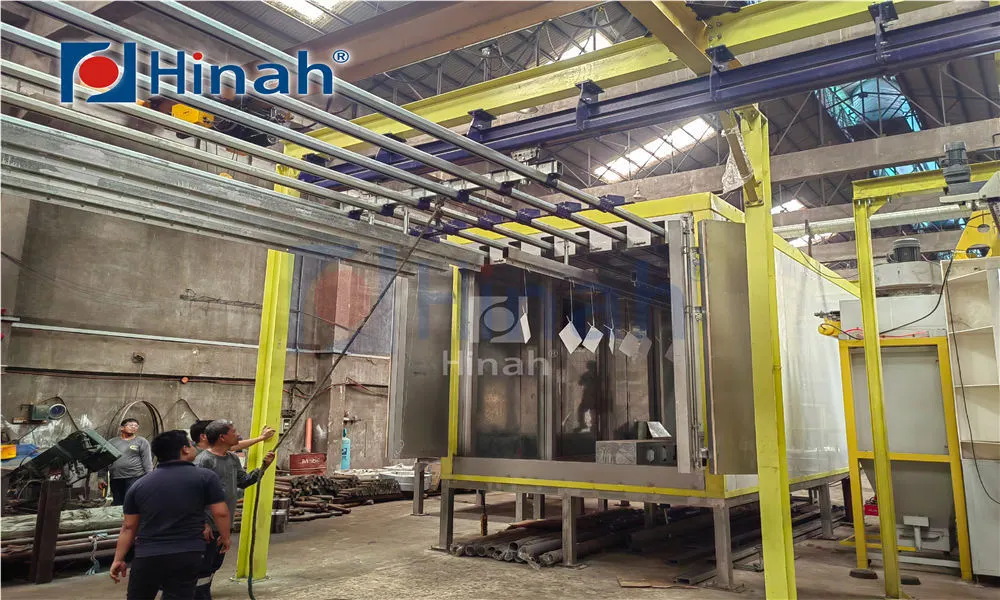
In industrial finishing operations, the powder coating booth serves as the controlled environment where application occurs. This essential component directly impacts finish quality, operator safety, and material efficiency. This article examines the different booth types, their features, and how to select the right one for your production needs.
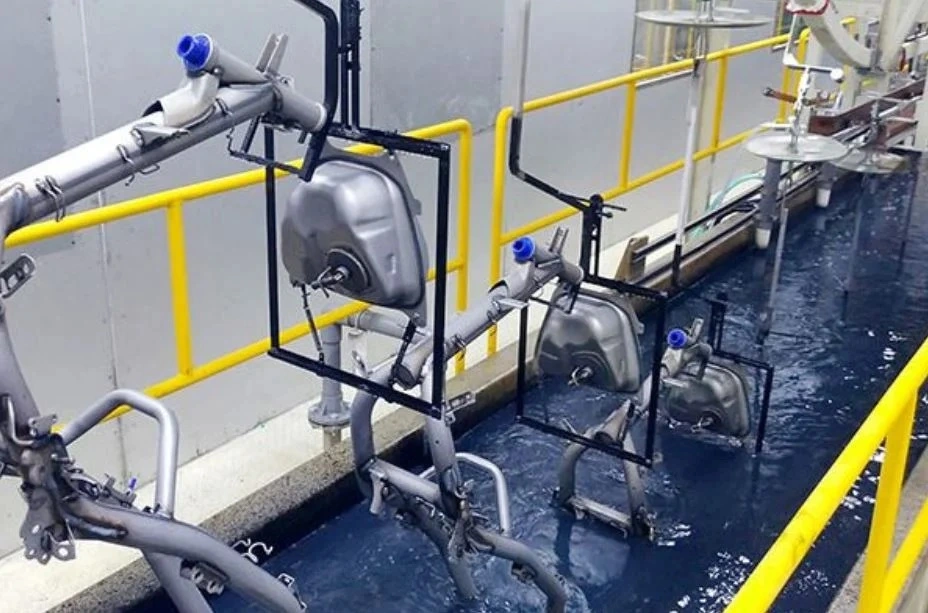
What is a Powder Coating Booth?
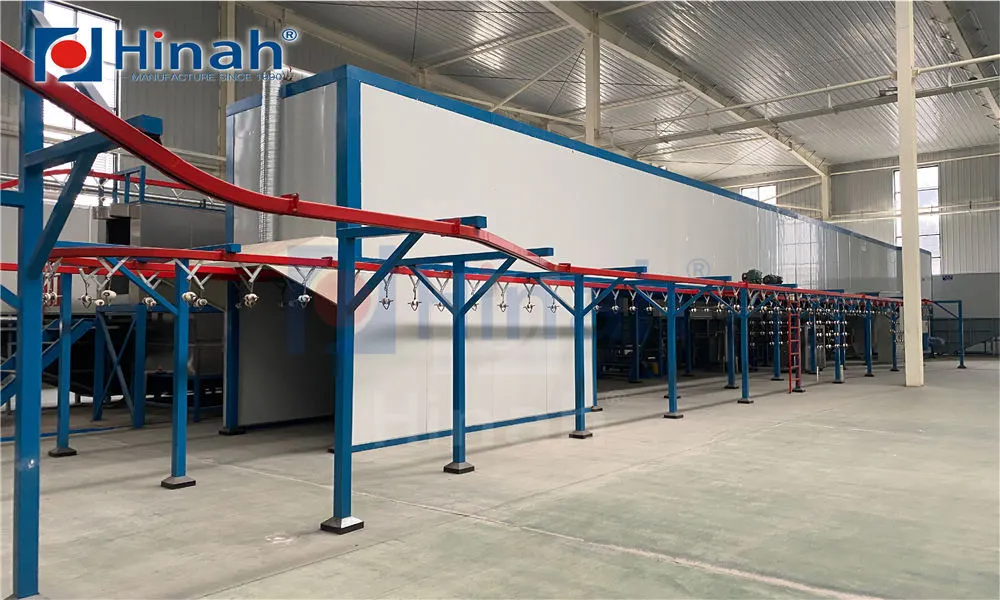
A powder coating booth is an enclosed workspace designed for applying dry powder to products. Its primary function is to contain overspray, ensure proper ventilation, and maintain a clean environment. This control is vital for achieving a consistent, high-quality finish.
Modern booths are engineered systems with several integrated components. They work together to create optimal conditions for the coating process. A typical powder coating booth includes:
Enclosed structure with access doors and windows
Airflow and ventilation system
Powder recovery and recycling equipment
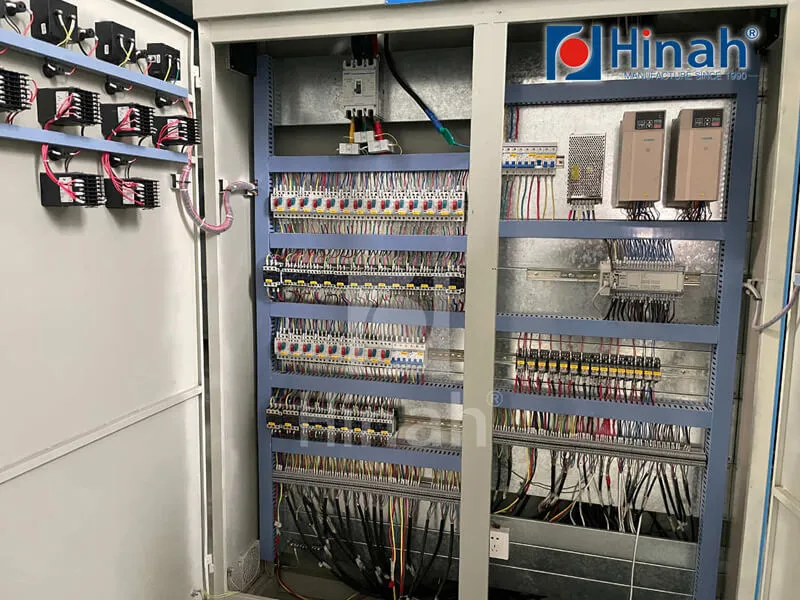
Operator safety features and controls
The design directly affects transfer efficiency and operational costs. A well-chosen booth from a supplier like HANNA can significantly improve your bottom line.
Types of Powder Coating Booths
Different production volumes and part sizes require different booth configurations. The main categories are defined by their powder recovery method and overall design.
1. Single-Pass or Non-Recirculating Booths
These booths use disposable filters to capture oversprayed powder. Air passes through the filter once and is then exhausted. The collected powder is typically discarded after use.
This design is simple and has a lower initial cost. It is suitable for facilities with low production volumes or those using many different colors. Maintenance involves regular filter replacement.
2. Recirculating (Cartridge Filter) Booths
Recirculating booths use cartridge filters to clean the air inside the booth. The filtered air is then returned to the booth environment. This creates a closed-loop system with minimal air exhaust.
Benefits include excellent powder containment and high material recovery rates. They are more energy-efficient than single-pass systems. This type of powder coating booth is standard for medium to high-volume production.
3. Cyclone Recovery Booths
Cyclone booths use centrifugal force to separate powder from the air stream. The powder is collected in a container for reuse. Clean air is either recirculated or exhausted.
This system is highly efficient for reclaiming powder, especially with frequent color changes. It minimizes waste and is ideal for operations focused on material savings. The initial investment is higher but often justified by reduced powder costs.
4. Dry Filter vs. Wet Scrubber Booths
Dry filter booths, the most common type, use paper or cartridge filters. Wet scrubber booths use a water curtain to capture powder particles. Each has distinct advantages.
Dry systems offer easier powder recovery for recycling. Wet systems can handle higher powder loads and require less frequent filter maintenance. The choice depends on specific application needs and local environmental regulations.
Key Components of a Powder Coating Booth
Understanding the main parts of a booth helps in selection and maintenance. Each component plays a specific role in the system's overall performance.
Booth Structure and Enclosure
The physical enclosure is typically made from coated steel or stainless steel. It must be sturdy, easy to clean, and resistant to powder buildup. Doors, windows, and access panels allow for part loading and operator movement.
Size is critical. The interior must accommodate your largest parts with sufficient clearance for the spray guns. Proper lighting inside the powder coating booth is essential for operator visibility and quality control.
Airflow and Ventilation System
Controlled airflow is the heart of a booth's function. It carries overspray away from the part and toward the recovery system. A balanced downdraft or crossdraft design is common.
Downdraft: Air flows from the ceiling to the floor, excellent for complex parts.
Crossdraft: Air flows horizontally across the booth, simpler and often more cost-effective.
The system includes fans, ductwork, and dampers. Proper airflow ensures a clean work environment and maximizes powder application efficiency.
Powder Recovery System
This system collects oversprayed powder for disposal or reuse. It consists of filters, a reclaim module, and sometimes a sieve. Efficient recovery reduces material costs by up to 99%.
Cartridge filters are automatically pulsed clean during operation. The reclaimed powder can be mixed with virgin material for reuse. A high-quality recovery unit is a hallmark of a professional HANNA booth.
How to Select the Right Powder Coating Booth
Choosing the correct booth requires a careful analysis of your current and future needs. Several practical factors should guide your decision.
Assess Your Production Requirements
Consider your average and peak production volumes. How many parts will be coated per hour or per shift? The booth must handle this throughput without becoming a bottleneck.
Also, evaluate your part size range and mix. Will you coat small brackets and large assemblies in the same booth? The internal dimensions and configuration must be flexible enough for all products.
Evaluate Color Change Frequency
This is one of the most important factors. Frequent color changes require a booth designed for quick and clean conversion.
For many daily changes: Consider a cyclone system or a booth with excellent cleanability.
For limited changes: A standard cartridge filter booth may be sufficient.
The time and labor cost of a color change directly impact your operational efficiency. The right powder coating booth minimizes this downtime.
Analyze Space and Facility Constraints
Measure the available floor space in your facility. Consider ceiling height, door access, and utility locations. The booth must fit physically and allow for safe material and personnel flow around it.
Also, check your plant's electrical and compressed air capacity. Large booths with powerful recovery systems have specific power and air requirements.
Safety and Maintenance Best Practices
Proper operation and upkeep are non-negotiable for safety, quality, and equipment longevity. A disciplined maintenance routine prevents problems.
Daily and Weekly Maintenance Tasks
Daily tasks focus on cleanliness and basic checks. Operators should vacuum loose powder from floors and surfaces. They should also inspect filters for damage and check airflow indicators.
Weekly tasks are more thorough. This includes emptying and cleaning reclaim hoppers. It also involves checking the operation of filter cleaning mechanisms and safety interlocks.
Operator Safety Features
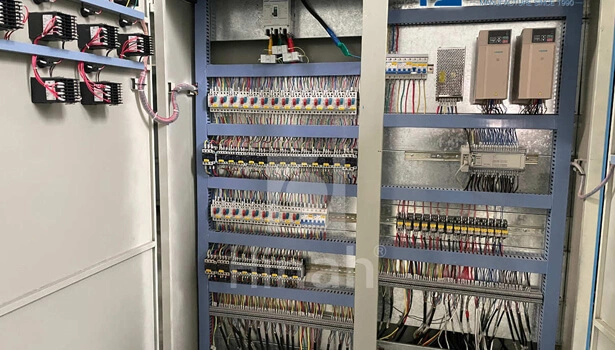
A modern booth incorporates multiple safety elements. These include proper grounding to prevent static discharge. Explosion-proof electrical components are standard in powder environments.
Good lighting and non-slip floors prevent accidents. Adequate ventilation protects operators from inhaling airborne particles. Never compromise on the safety features of your powder coating booth.
Selecting and maintaining the appropriate powder coating booth is a strategic decision. It affects product quality, operational cost, and workplace safety. From single-pass units to advanced cyclone systems, the right choice depends on your specific production profile.
By understanding the types, components, and selection criteria, you can make an informed investment. Partnering with an experienced supplier like HANNA ensures you get a system designed for performance and reliability. A well-chosen powder coating booth becomes a cornerstone of an efficient and profitable finishing operation.
Frequently Asked Questions (FAQs)
Q1: How often do the filters in a powder coating booth need to be replaced?
A1: Cartridge filters in a well-maintained recirculating booth can last 1,000 to 2,000 operating hours. The actual lifespan depends on powder usage and the efficiency of the automatic cleaning pulse system. Disposable filters in single-pass booths need replacement when airflow becomes restricted.
Q2: Can a powder coating booth be used for liquid painting as well?
A2: No, this is not recommended and is often unsafe. Powder booths are designed for dry particulate and specific airflow patterns. Liquid paint overspray is wet and would ruin powder filters and recovery systems. Separate, dedicated booths are required for each process.
Q3: What is the typical air velocity required inside a powder coating booth?
A3: Recommended face velocity (air speed entering the filters) is typically between 60 and 100 feet per minute (0.3 to 0.5 m/s). This range is sufficient to capture overspray without disturbing the powder being applied to the part. An anemometer is used to measure and adjust this velocity.
Q4: Is special fire protection needed for a powder coating booth?
A4: Yes. Because powder is a combustible dust, proper protection is crucial. This often includes explosion venting panels on the booth and recovery unit. Some local codes may require an automatic fire suppression system (like sprinklers or chemical suppression) inside the booth and ductwork.
Q5: How much clearance is needed around the booth for maintenance?
A5: It is advisable to have at least 3 feet (about 1 meter) of clear access on all sides of the booth. This allows for safe operation, filter changes, and mechanical service. Specific clearance requirements for fan access or filter removal should be confirmed with the manufacturer, such as HANNA.