

Industrial finishing has been transformed by automation. A painting robot is now a common sight in modern factories. These machines apply paint, powder, or other coatings with high precision and repeatability. This article explains how painting robots work and why they are important for manufacturers looking to improve their operations.
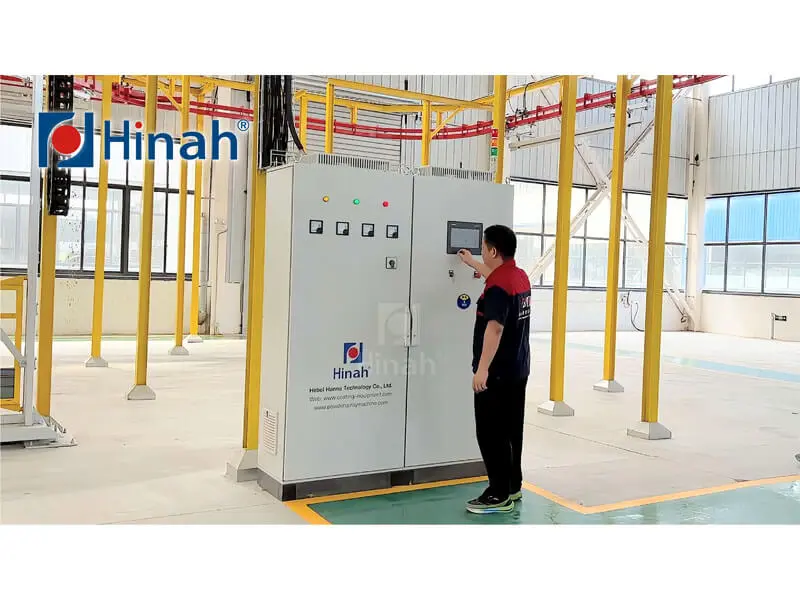
What is a Painting Robot?
A painting robot is an automated machine designed to apply surface coatings. It typically consists of a robotic arm, a spray applicator, and a control system. The robot follows a programmed path to coat objects evenly.
These robots are used in various finishing processes. They handle liquid paints, powder coatings, primers, and sealants. Key components include:
Multi-axis robotic arm for movement
Spray gun, bell, or disc applicator
High-precision fluid or powder delivery system
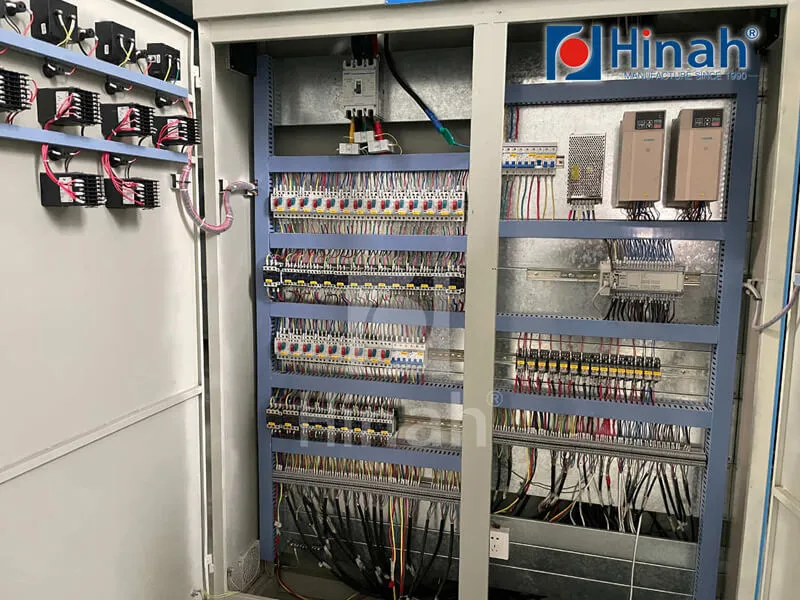
Sophisticated controller and programming interface
Modern systems integrate with other factory equipment. This creates a complete automated coating line. The main goal of a painting robot is to achieve consistent quality while reducing waste and labor costs.
Main Types of Painting Robots
Not all painting robots are the same. Different models are built for specific tasks and environments. Choosing the right type is important for optimal results.
Articulated Arm Robots
These are the most common type. They feature rotary joints that allow movement like a human arm. This provides great flexibility to reach complex part geometries.
Articulated robots are ideal for coating items with many angles. They are used in automotive painting and for coating furniture. Their programming allows for intricate motion paths.
Gantry (Cartesian) Robots
Gantry robots move on a fixed three-axis linear structure. They are known for their stability and ability to handle very large or heavy workpieces.
Common applications include coating aircraft wings, wind turbine blades, and large machinery. This type of painting robot is very accurate over a big working area.
Mobile Painting Robots
These robots are mounted on movable platforms or rails. They can travel along the length of a large product, like a train or a ship hull.
This design is useful when the object is too large to move. It brings the robot to the work instead. It increases the system's versatility for on-site or large-scale projects.
Advantages of Using Painting Robots
Switching from manual spraying to robotic automation offers many benefits. These advantages impact product quality, operational cost, and workplace safety.
1. Superior Coating Quality and Consistency
Robots apply coating the same way every single time. They eliminate human variables like fatigue or uneven hand movement. This results in a perfect finish with uniform thickness.
Consistency reduces defects like runs, sags, or dry spray. It ensures every product meets the same high standard. This is critical for brands like HANNA that supply systems demanding reliability.
2. Significant Material Savings
Robots are programmed to use the exact amount of material needed. Their precise paths minimize overspray. This directly reduces paint or powder consumption.
Typical material savings range from 20% to 30%.
Less waste means lower material costs and disposal fees.
Transfer efficiency is greatly improved.
For expensive specialty coatings, these savings are very important. A painting robot often pays for itself through material cost reduction alone.
3. Increased Production Speed and Capacity
Robots can work continuously without breaks. They can also apply coating faster than a human in many cases. This increases the overall output of a coating line.
Faster cycle times allow a company to produce more items per shift. It helps meet high-volume orders and tight deadlines. Automation is key for scaling up production.
4. Improved Worker Health and Safety
Spray booths can be hazardous environments. Workers are exposed to chemicals, vapors, and airborne particles. Using a robot removes people from these direct risks.
This leads to a safer workplace with fewer health-related absences. It also helps companies comply with strict safety and environmental regulations.
5. Flexibility for Complex Parts
Modern robots can be programmed to coat intricate shapes. They can reach inside cavities and cover complex contours. This is difficult to achieve reliably with manual spraying.
With offline programming software, new part programs can be created quickly. This allows the same painting robot to handle different products in a mixed production flow.
6. Reliable Data and Process Control
Robotic systems collect data on every cycle. They monitor parameters like fluid flow, fan pressure, and gun voltage. This data is used to maintain process control and traceability.
If a parameter drifts, the system can alert operators. This prevents large batches of defective parts. Data logging supports quality audits and continuous improvement efforts.
Key Industries Using Painting Robots
Robotic painting technology is used across many sectors. Any industry that requires high-quality, durable finishes can benefit from it.
Automotive Manufacturing
This was the first industry to widely adopt painting robots. Robots apply primer, basecoat, and clearcoat on car bodies. They ensure the flawless finish customers expect.
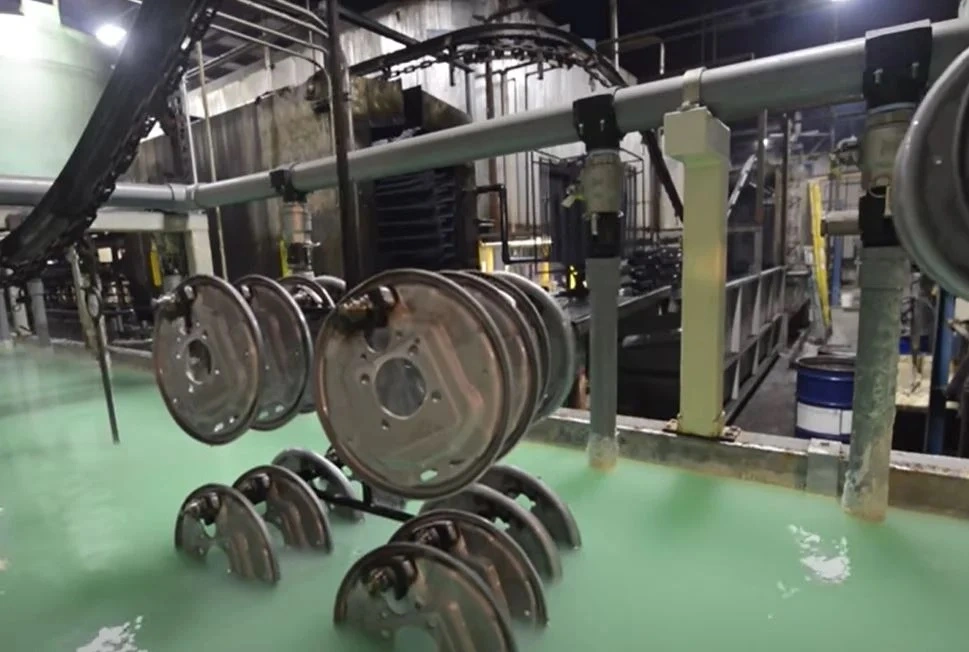
They are also used for coating wheels, frames, and interior parts. The high volume and quality demands make robots essential.
Aerospace and Aviation
Aircraft require special coatings for protection and performance. Robots provide the precise, repeatable application needed for large components like fuselages and wings.
They handle advanced materials like corrosion-resistant primers and specialized topcoats. Suppliers like HANNA provide systems for these precision applications.
Heavy Equipment and Machinery
Construction, agricultural, and mining equipment needs tough finishes. Robots apply thick, even coatings that protect against abrasion and weathering.
They can handle the large size and weight of these items. Consistent quality is vital for equipment longevity in harsh conditions.
Furniture and Wood Products
Robots apply stains, lacquers, and paints to furniture. They create consistent wood grain effects and smooth finishes. This automation is key for high-volume production of cabinets and office furniture.
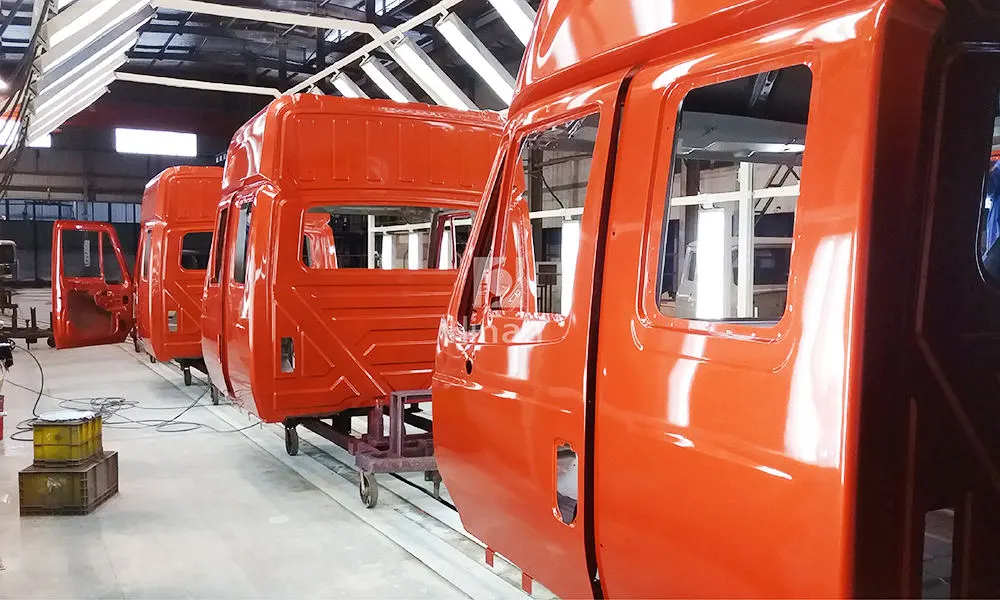
Integration into a Coating Line
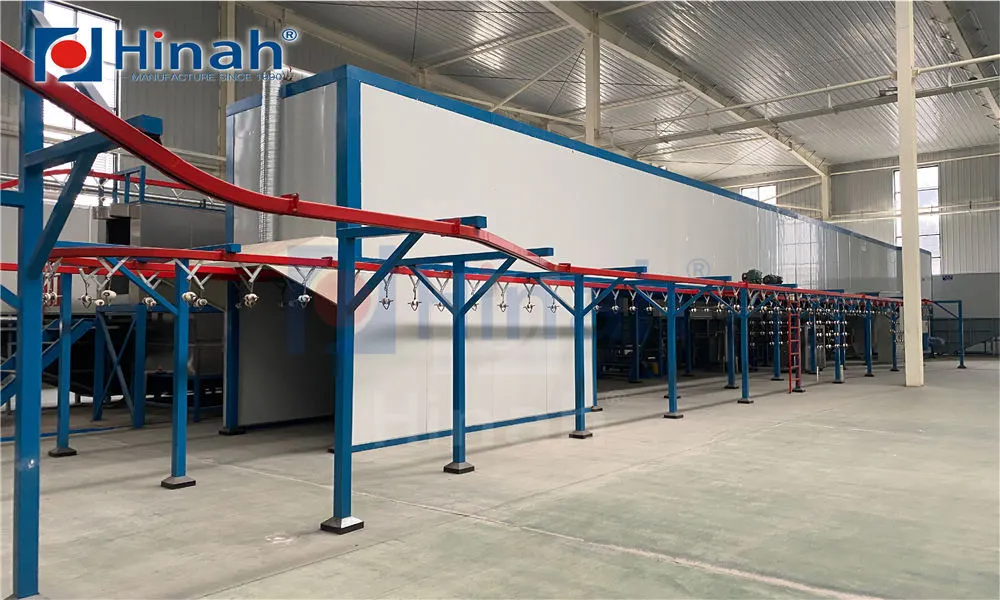
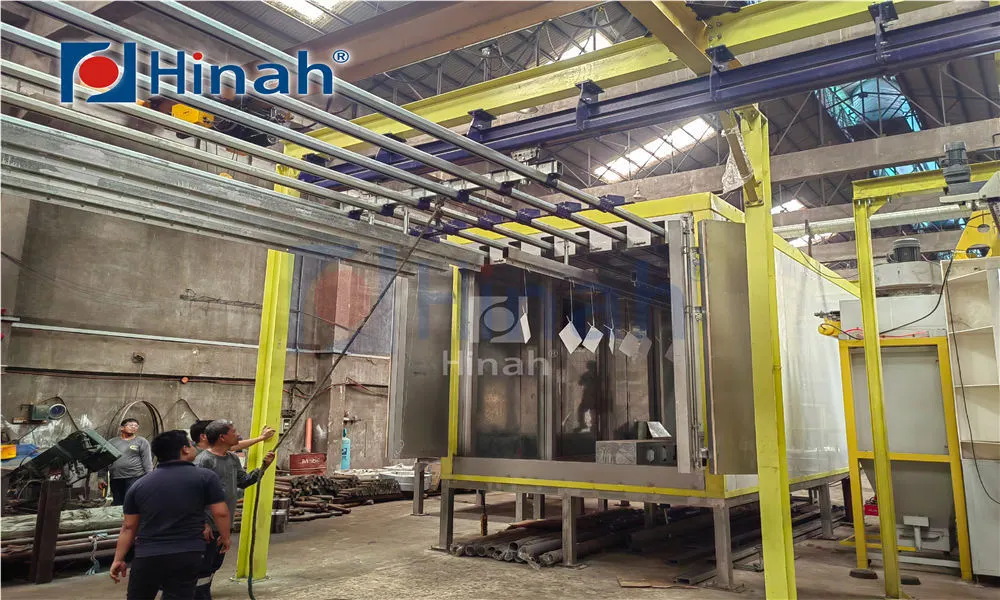
A painting robot is one part of a larger system. For the best results, it must work smoothly with other equipment.
A typical integrated line includes several stages:
Pre-treatment (cleaning, phosphating)
Drying oven
Robotic application booth
Conveyor system for part transfer
Proper integration ensures a seamless flow from one stage to the next. A well-designed painting robot cell maximizes the efficiency of the entire line. Expert suppliers design these complete solutions.
Future Trends in Robotic Painting
The technology continues to advance. New developments are making robots smarter, more efficient, and easier to use.
3D machine vision is a major trend. Cameras scan each part before painting. The robot then adjusts its program to match the part's exact position and shape.
This eliminates the need for precise fixturing. It is perfect for coating custom or variable-sized items. AI and machine learning are also being used to optimize spray paths and diagnose process issues.
Conclusion
The adoption of robotic technology in finishing is a clear step forward. A painting robot delivers unmatched consistency, efficiency, and safety.
From automotive plants to furniture workshops, these systems are improving product quality and factory productivity. For manufacturers considering automation, partnering with an experienced provider like HANNA is important for a successful integration.
Frequently Asked Questions (FAQs)
Q1: How much does a typical painting robot system cost?
A1: The cost varies widely based on size, type, and complexity. A basic system might start around $75,000. A large, fully integrated cell can cost $250,000 or more. The investment includes the robot, applicator, safety fencing, and programming.
Q2: Is a painting robot difficult to program and maintain?
A2: Modern robots are designed for easier programming. Many use intuitive teach pendants or offline simulation software. Maintenance involves regular cleaning, lubrication, and component checks. Most suppliers offer training and support to keep the system running well.
Q3: Can a painting robot handle different colors or materials?
A3: Yes, with the right configuration. Systems can include color-change valves or multiple powder feed systems. The robot program selects the correct material for each part. Proper purge sequences are used to prevent color contamination.
Q4: What safety features are needed for a painting robot cell?
A4: Essential safety features include physical safety fencing with interlocked gates, light curtains, or laser scanners to detect personnel. The booth must have proper explosion-proofing and ventilation. Emergency stop buttons must be easily accessible around the cell.
Q5: How does robotic painting compare to manual spraying for small batches?
A5: For very small, one-off batches, manual spraying may be simpler. However, robotic systems have become more flexible. Quick-change tooling and fast programming now make it feasible to use robots for smaller lot sizes while still gaining benefits in quality and material savings.