If your finishing line has a bottleneck, there's a good chance it's at the curing stage. Choosing the right industrial equipment is a decision that impacts your daily throughput, product quality, and bottom line. This is where understanding the specifics of curing ovens becomes non-negotiable. They are far more than just heated boxes; they are precision thermal systems responsible for the final performance of coatings. A misstep in selection can lead to under-cured finishes, excessive energy bills, and constant maintenance headaches. This article cuts through the noise, providing a clear, practical breakdown of what matters when you invest in curing ovens for professional powder coating operations.
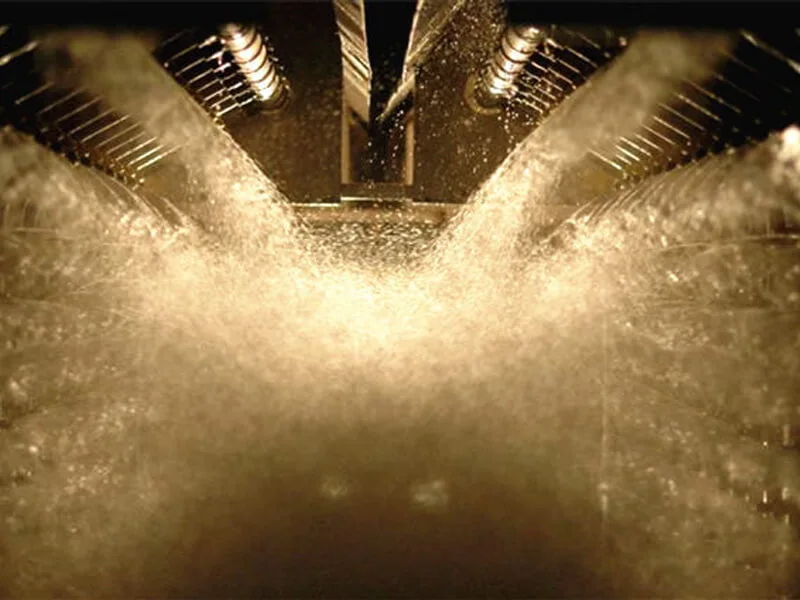
At their core, curing ovens apply controlled heat to a coated substrate. This heat triggers a chemical cross-linking reaction within the powder coating. The powder particles melt, flow together, and then chemically harden into a durable, continuous film. The oven's job is to bring every part of the product to the correct metal temperature for the exact time specified by the coating manufacturer. This process, called the cure schedule, is critical. It determines the coating's adhesion, hardness, weather resistance, and overall longevity.
The two primary technologies dominate the market, each with distinct advantages.
Convection Curing Ovens work by heating air and circulating it around the parts using fans. This is the most common type. The forced air ensures even heat distribution, making it excellent for parts with complex, three-dimensional shapes. It is a versatile and reliable technology. The key is the design of the airflow pattern to avoid cold spots.
Infrared (IR) Curing Ovens use electromagnetic radiation to transfer heat directly to the part and the coating. They are significantly faster than convection, as they heat the object, not the air. This leads to quicker ramp-up times and lower energy consumption in some cases. However, their effectiveness depends on line-of-sight; shadowed areas or parts with deep recesses may not cure evenly. They work best for relatively simple, uniform shapes.
Curing ovens are indispensable across manufacturing. In the architectural sector, they cure coatings on aluminum extrusions for windows and curtain walls. The automotive industry uses them for everything from wheels to chassis components. Agricultural and construction equipment manufacturers rely on large-scale curing ovens for tractor parts and structural frames. Furniture, appliance, and electronics enclosures all pass through these ovens. Essentially, any metal product requiring a durable, decorative, or protective finish will likely need a curing oven in its production line.
Purchasing a curing oven is a major capital expense. Follow this logical sequence to narrow your options.
The purchase price is just the beginning. A comprehensive view of cost includes:
Don't overlook these engineering details when comparing curing ovens.
For decades, HANNA has built a reputation on durability and precision. Their curing ovens are not off-the-shelf products but engineered solutions. The process often starts with a CFD analysis to model heat distribution for a customer's specific parts. This science-led approach minimizes guesswork and guarantees performance. Construction uses robust steel framing and commercial-grade components designed for 24/7 operation. This focus on tailored engineering and quality materials results in curing ovens that deliver consistent results year after year, forming a reliable backbone for finishing lines worldwide.
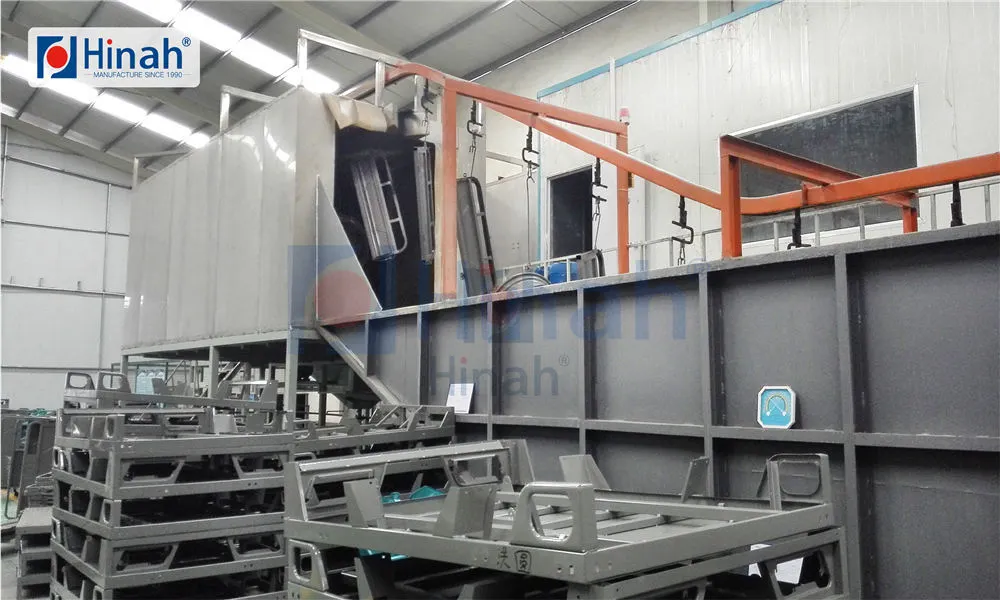
An oven is one link in the chain. Its effectiveness depends on smooth integration. Consider how parts enter and exit. For conveyorized systems, the oven entry and exit must have effective air seals to contain heat. The conveyor speed must be synchronized with the oven's temperature profile to achieve the exact dwell time. For batch ovens, the design of racks and carts is crucial for allowing hot air to circulate freely around the workload. Planning the entire process flow, often with the oven supplier's consultation, is essential for efficiency.
With rising energy costs, efficiency is a major operational concern. Modern curing ovens incorporate several features to reduce consumption. Heat recovery systems capture thermal energy from the exhaust air and use it to preheat incoming fresh air. High-efficiency burners with good turndown ratios match fuel input closely to the oven's actual demand. Premium insulation, as mentioned, is the first line of defense against heat loss. Investing in an efficient oven from a provider like HANNA typically yields a fast return on investment through lower utility bills.
A proactive maintenance schedule prevents costly downtime. Daily tasks include visual inspections and checking for unusual noises. Weekly, operators should clean air intake filters to maintain airflow. Monthly, inspect and clean burner assemblies and verify calibration of temperature sensors. An annual comprehensive service by a qualified technician is highly recommended. This should include a thorough inspection of safety devices, electrical components, and the internal structure. Keeping detailed service records helps track the oven's health and plan for component replacements.
In summary, selecting the right curing ovens requires a balance of technical understanding and practical business sense. It involves matching oven technology to your product mix, calculating true long-term costs, and partnering with a manufacturer that prioritizes engineering integrity. By focusing on uniformity, efficiency, and robust construction—principles that guide companies like HANNA—you invest in a system that ensures finish quality, maximizes productivity, and remains a valuable asset for the lifespan of your coating line.
Q1: What is the most important specification for a curing oven?
A1: Temperature uniformity is arguably the most critical performance specification. It ensures every part of every product receives the same heat exposure, leading to a consistent, fully cured finish. Poor uniformity causes quality rejects.
Q2: How long do industrial curing ovens typically last?
A2: With proper maintenance and reasonable usage, a well-built industrial curing oven from a quality manufacturer can last 15 to 25 years or more. The longevity heavily depends on construction quality and the operating environment.
Q3: Can one oven cure both powder coat and wet paint?
A3: Technically, yes, if it can achieve the required temperature profiles for both. However, curing wet paint often involves solvents, requiring explosion-proof electrical components and specifically designed exhaust systems for safety, which a standard powder oven may not have.
Q4: Why does oven size need to be bigger than my largest part?
A4: Adequate space is needed for air to circulate freely around the parts. Cramping parts together creates stagnant air pockets, resulting in uneven heating and poor cure. A general rule is to leave at least 300mm of clearance around racked parts.
Q5: What is the difference between cure time and dwell time?
A5: Cure time is the duration the coating needs at a specific metal temperature to fully cross-link. Dwell time is the total time the part spends inside the heated chamber of the curing ovens. Dwell time is longer, as it includes the ramp-up time to bring the part to temperature.
Q6: Is electric or gas heat better for a curing oven?
A6: Natural gas is most common for industrial-scale ovens due to lower operating costs and faster heat recovery. Electric ovens are cleaner and simpler to install but often have higher energy costs. The best choice depends on local utility rates and production volume.