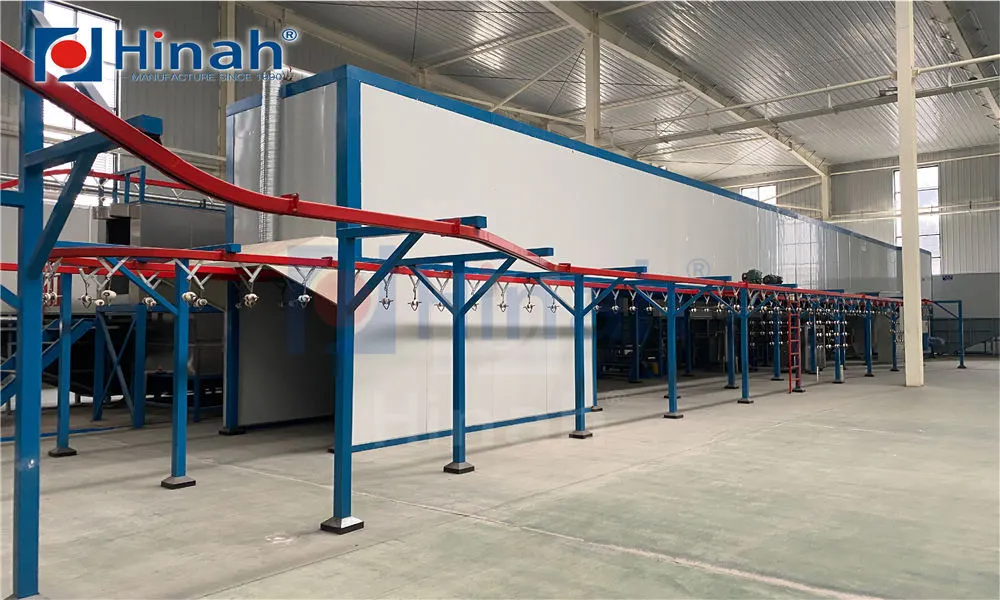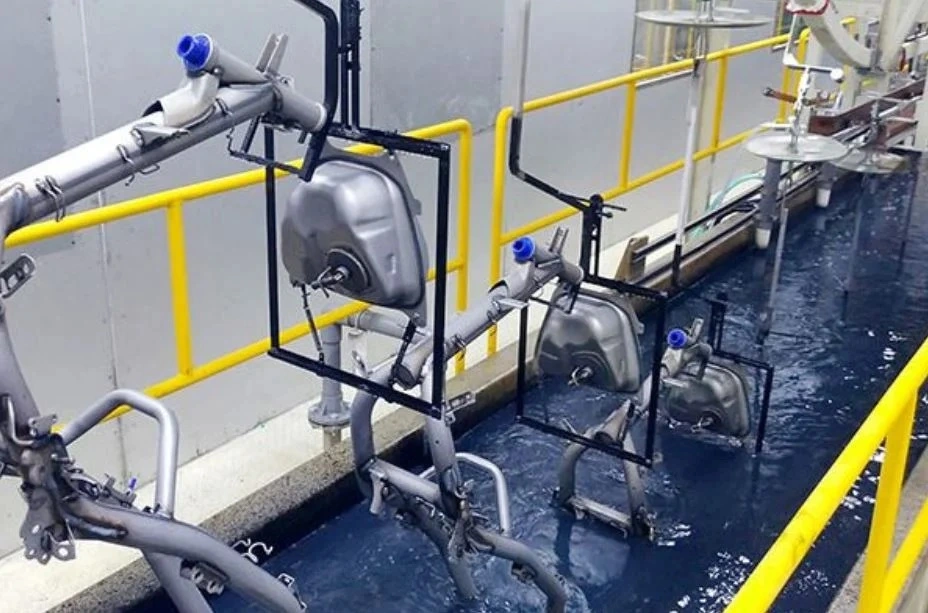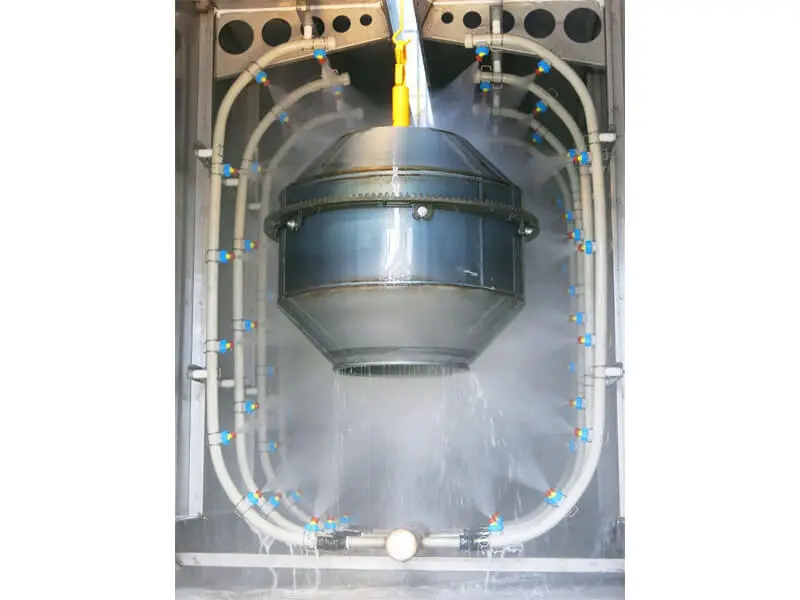
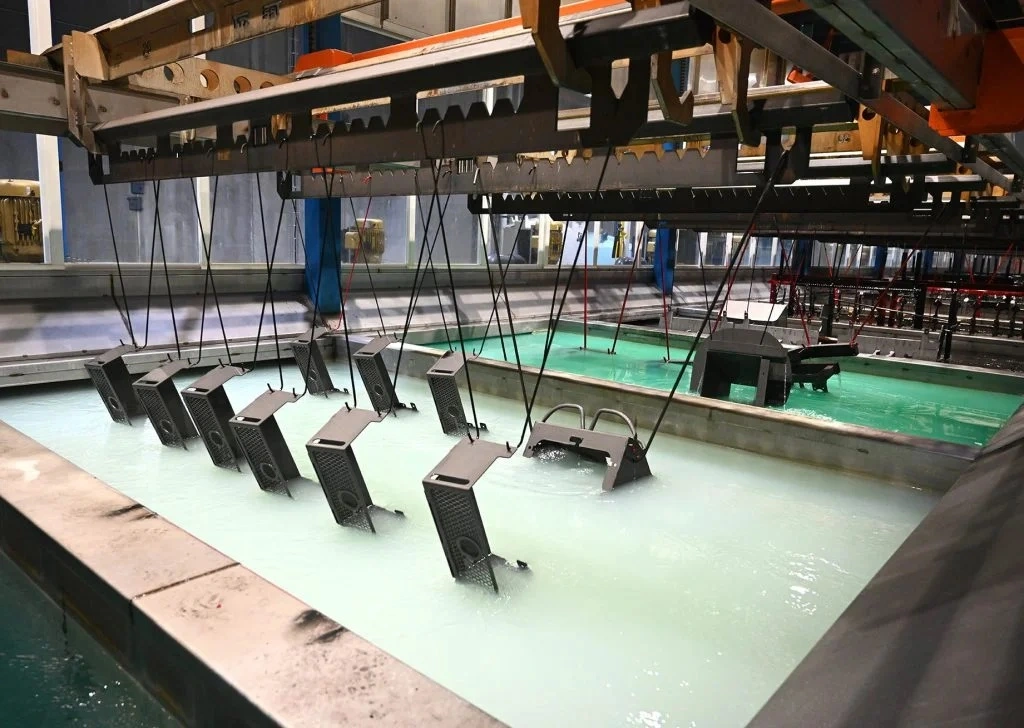
Industrial surface finishing demands high transfer efficiency, consistent film thickness, and reliable powder containment. Within a production line, the powder coating booth serves as the primary containment and recovery environment. It is designed to manage electrostatic charging, airflow dynamics, and powder overspray reclamation. Selecting and configuring this equipment requires an understanding of fluid dynamics, material science, and safety standards.
For high-volume operations, finishing systems must balance air velocity with electrostatic deposition forces. If the containment airflow is too weak, powder escapes into the plant environment, creating housekeeping issues and safety concerns. If the airflow is too strong, it disrupts the electrostatic field between the spray gun and the workpiece, reducing transfer efficiency. Industrial engineers at HANNA focus on optimizing these opposing variables to achieve stable, repeatable production runs.
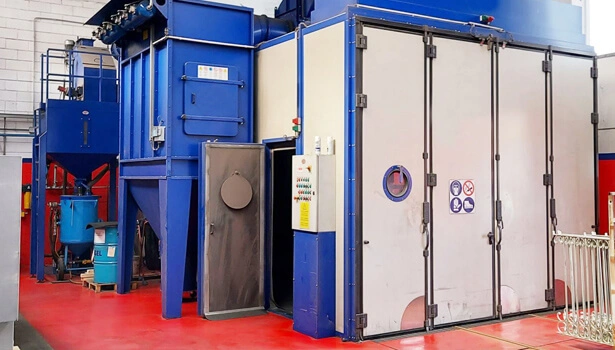
The primary function of a containment system is to prevent oversprayed powder from escaping into the surrounding facility. This is achieved through controlled negative pressure, which draws air into the enclosure through conveyor openings and manual operator stations.
The average speed of air passing through the openings of the enclosure is known as face velocity. Industry safety standards, such as NFPA 33, dictate specific containment velocities to keep the concentration of airborne powder well below the Lower Flammable Limit (LFL). Typically, a face velocity of 100 to 120 feet per minute (0.5 to 0.6 meters per second) is recommended. This rate is sufficient to contain the powder particles without stripping them away from the electrostatic field of the spray gun.
The direction of air movement inside the enclosure influences both coating quality and reclaim efficiency:
Cross-Draft Systems: Air enters from one end of the enclosure (often through the conveyor openings or manual stations) and is pulled horizontally across the parts toward the extraction filters at the opposite end. This design is straightforward and highly effective for narrow, continuous profiles.
Down-Draft Systems: Air is introduced through the ceiling and pulled downward through the floor grate. This pattern minimizes turbulence around the spray guns and is often utilized for large, complex geometries where uniform coverage across vertical surfaces is required.
Reclaiming oversprayed powder is necessary for maintaining sustainable operational margins. The choice between a cartridge filter system and a multi-cyclone recovery system depends heavily on your production schedule and color-change frequency.
In a cartridge recovery configuration, the exhaust air carrying the oversprayed powder is pulled directly through sub-micron pleated filters. This design captures virtually all airborne particles, returning clean air back into the plant. Periodically, a reverse pulse-jet system fires compressed air inside the filters, dislodging the accumulated powder so it falls into a collection hopper below.
This approach is highly efficient, often reclaiming over 99% of the overspray. However, it is best suited for operations that run a single color for extended periods. Changing colors requires thoroughly cleaning or replacing the filters, which can result in significant downtime.
For facilities that require frequent color changes, a multi-cyclone recovery system is more practical. The powder-laden exhaust air enters a series of cyclone chambers at high speed, creating a vortex. Centrifugal force flings the heavier, reusable powder particles against the outer walls, where they slide down into a fluidizing hopper for immediate reuse.
The extremely fine, non-reusable dust particles remain in the center of the vortex and are carried away to an after-filter collector. Because the cyclone walls are smooth and easy to clean, operators can perform color transitions rapidly, reducing downtime between different production batches.
The physical composition of the booth walls directly affects both transfer efficiency and the ease of color changes. When electrostatic spray guns apply a charge to powder particles, those particles seek grounded surfaces. If the walls of the enclosure are constructed of materials that attract this charge, powder will accumulate on the walls rather than on the workpiece.
Historically, stainless steel was the standard material for industrial enclosures. While durable and structurally robust, metal walls are conductive. This conductivity attracts charged powder particles, resulting in heavy build-up on the walls. This accumulation reduces the amount of powder reaching the parts and requires intensive manual scraping during color changes.
Modern high-performance systems utilize non-conductive plastic materials, such as polypropylene (PP) or composite sandwich panels. These materials have low electrostatic attraction, meaning they repel the charged powder particles. Instead of sticking to the walls, the oversprayed powder drops to the floor, where it can be easily swept or vacuumed back into the recovery system. HANNA engineers enclosures using these advanced plastics to minimize powder adhesion and simplify cleaning protocols.
Operating a high-throughput finishing line presents several physical challenges that can compromise coating uniformity and finish quality.
The Faraday Cage effect occurs when electrostatic forces prevent powder from penetrating recessed areas, internal corners, or deep channels on a workpiece. The electrical field lines take the shortest path to the grounded metal, depositing heavy layers on the outer edges while leaving the interior surfaces uncoated. To overcome this, operators and automated systems must adjust several parameters:
Voltage and Current Control: Reducing the voltage (kV) while maintaining or slightly adjusting the current (microamps) helps limit the back-ionization that reinforces the Faraday cage.
Air Velocity Management: Increasing the powder feed velocity helps physically drive the particles into the recess, overriding the electrostatic repulsion. This requires a stable air profile within the powder coating booth to avoid blowing the powder past the part entirely.
Powder coatings are highly sensitive to moisture and temperature fluctuations. High humidity can cause powder fluidization issues, leading to clumping, spitting at the gun nozzle, and uneven film thickness. Conversely, dry air increases static electricity buildup, which can cause premature back-ionization. To maintain consistent finish quality, the compressed air supply and the surrounding room environment must be strictly regulated using industrial air dryers and HVAC control systems.
In automated coating lines, the enclosure must function as an integrated component of a larger machine network. This integration involves synchronized movement, real-time sensing, and multi-tiered safety systems.
Automated spray guns are mounted on vertical or horizontal reciprocators. Optical sensors located at the entrance of the powder coating booth detect the geometry, width, and speed of the incoming parts. The system controller uses this data to activate specific spray guns, adjust their positioning, and regulate output parameters dynamically. This precision minimizes overspray and ensures uniform coverage across complex shapes.
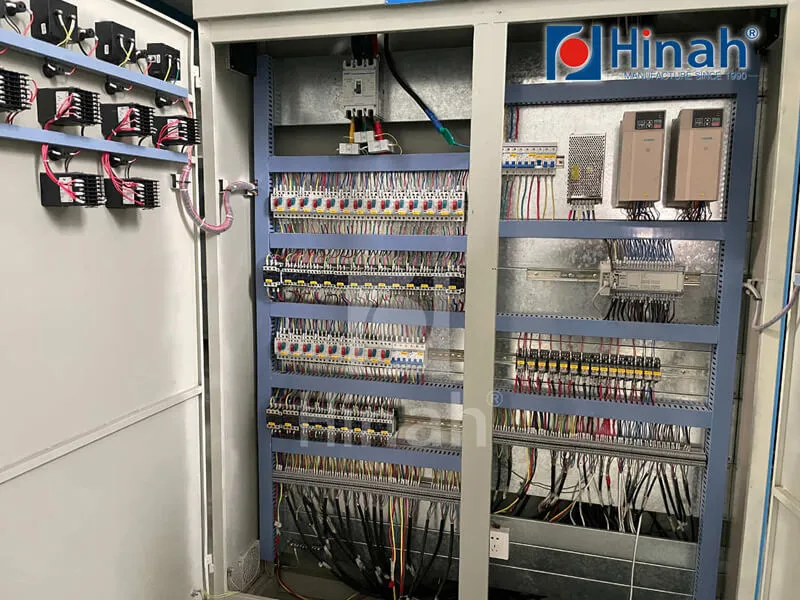
Industrial safety regulations demand that the spray equipment, conveyor system, and ventilation fans operate in a mutually dependent loop. If the exhaust fan fails, the electrostatic spray guns must shut down immediately to prevent the accumulation of flammable powder concentrations. Additionally, automated flame detection sensors and carbon dioxide suppression systems must be integrated directly into the cabin to mitigate potential fire hazards within milliseconds.
Controlled spray enclosures are utilized across various heavy industries, each requiring specific configurations to match production demands:
Automotive and Transportation: Coating chassis components, aluminum wheels, and body panels. These systems require high transfer efficiency and precise down-draft airflow to prevent cosmetic defects.
Architectural Aluminum Extrusions: Long profiles for window frames and facades require continuous, high-speed line configurations. Multi-cyclone recovery systems are typically used here to handle high volumes of standard architectural colors.
Industrial Machinery and Enclosures: Heavy steel structures require robust conveyor systems and wide manual spray openings to allow operators to touch up complex structural areas that automated guns might miss.
Household Appliances: High-speed automated lines for washing machines, refrigerators, and ovens require thin, uniform film thickness with rapid color-change capabilities to match tight production schedules.
Q1: What is the ideal airflow speed inside a powder spray
enclosure?
A1: The standard face velocity should be maintained
between 100 and 120 feet per minute (0.5 to 0.6 m/s) across all open apertures.
This velocity successfully contains overspray within the structure without
disrupting the electrostatic attraction between the powder particles and the
grounded workpiece.
Q2: How does a multi-cyclone system achieve faster color changes than
a cartridge system?
A2: A multi-cyclone utilizes centrifugal forces
to separate powder from the air stream along smooth, non-porous walls, which can
be cleaned with a simple squeegee or air blow-off. Cartridge systems, on the
other hand, require cleaning or changing out multiple pleated fabric filters,
which absorb dust and take significantly longer to clear of pigment
residues.
Q3: Why are non-conductive plastic walls preferred over stainless
steel?
A3: Non-conductive plastics like polypropylene resist
electrostatic charging. As a result, the charged powder particles are repelled
by the walls and settle toward the extraction floor, whereas conductive
stainless steel walls attract the charged powder, causing thick build-up that
complicates color transitions.
Q4: How does humidity affect the powder application
process?
A4: Excessive moisture in the air causes fluidization
problems, powder agglomeration (clumping), and uneven feed rates through the
venturi pumps. It can also cause spitting at the gun tip, leading to surface
defects such as pinholes or orange peel. Controlling the humidity of the
fluidizing air is highly recommended.
Q5: What safety systems must be connected to the spray enclosure
control panel?
A5: The system must feature electrical interlocks
linking the exhaust fan to the electrostatic generators and powder feed pumps.
If the airflow drops below safe levels, the spray guns must shut down.
Additionally, the system must integrate flame detectors, automatic CO2 dampers,
and emergency stop buttons to manage sudden fire hazards.
Designing a high-volume finishing line requires careful balancing of mechanical layout, airflow management, and electrostatic properties. HANNA designs and manufactures complete automated coating lines tailored to specific production profiles. If you are planning to install a new finishing line or optimize your existing setup, contact our engineering team to discuss your production volume, part dimensions, and color change requirements. Our team can help you configure a highly efficient powder coating booth that integrates seamlessly with your automated manufacturing workflows.