
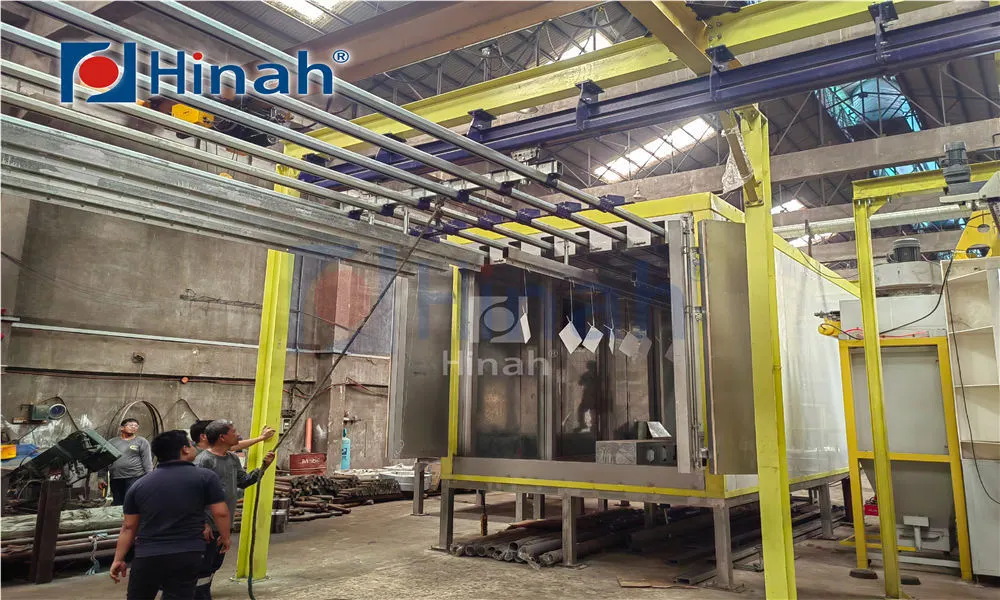
Selecting the right partner among powder coating booth manufacturers is a decision that directly impacts your shop floor's efficiency, safety, and bottom line. A booth is more than just a metal box; it's the controlled environment where finish quality and material savings are won or lost. While many companies build booths, true manufacturers distinguish themselves through engineering, performance data, and a deep understanding of the application process.
Choosing based on price alone is a common mistake. The differences between suppliers can affect your powder usage, cleanup time, and the consistency of your finish for years to come. This breakdown outlines the critical aspects you should evaluate when vetting powder coating booth manufacturers.
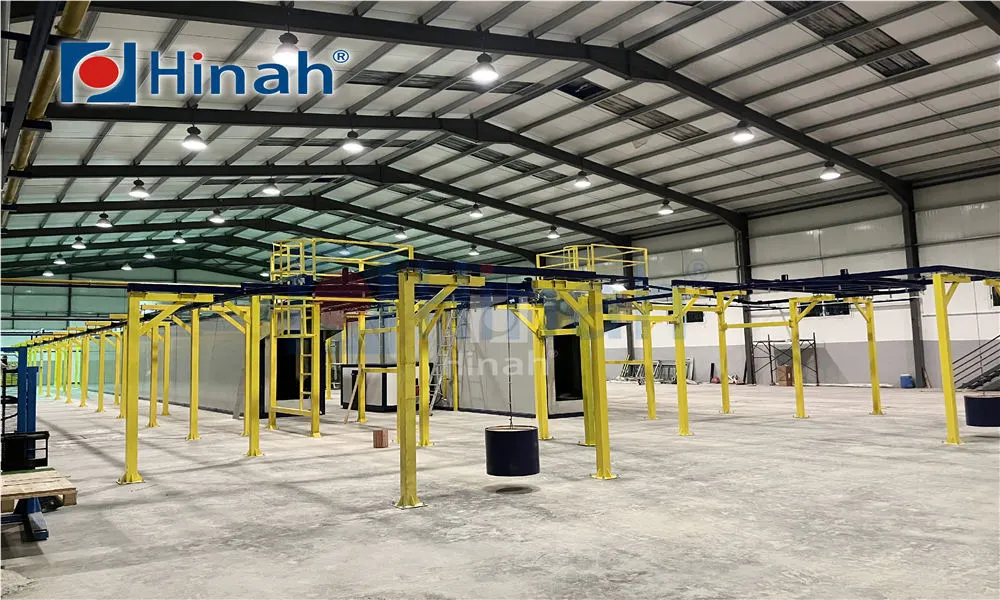
The primary job of a powder coating booth is to contain overspray and reclaim it. The recovery system's efficiency determines your material savings and maintenance workload.
Cartridge vs. Cyclone Systems
Cartridge filter booths are the industry standard for high-efficiency reclaim. Quality manufacturers like HANNA use nanofiber filter media that can achieve 99.9% efficiency. Cyclone systems use centrifugal force and are better for very high-volume, single-color operations where powder re-use is less critical.
Look for manufacturers who provide verified filter performance data, not just marketing claims. The design of the filter plenum and airflows significantly affects how long cartridges last before needing pulse cleaning.
Airflow and Ventilation Design
Laminar, downward airflow is essential. It carries overspray away from the part and toward the filters, minimizing contamination. Poorly designed airflow leads to powder "swirling" inside the booth, settling on parts and creating defects.
Top powder coating booth manufacturers use computational fluid dynamics (CFD) modeling to optimize booth airflow before it's ever built, ensuring clean application conditions.
A booth is a piece of industrial equipment. Its build quality dictates its longevity, safety, and ease of use.
Materials and Sealing
The interior should be smooth, with rounded corners and minimal ledges to prevent powder accumulation. Look for durable, non-sparking materials. All panels, windows, and access doors must seal tightly. Gaps allow powder escape, creating housekeeping issues and wasting material.
Electrical and Explosion Protection
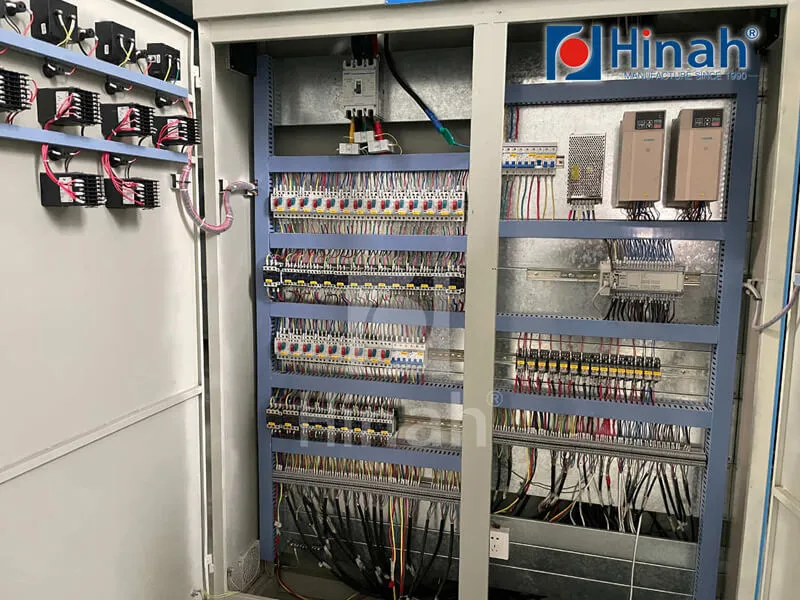
Powder coating is an electrostatic process in a powder-air mixture. Reputable powder coating booth manufacturers build booths to strict safety standards (e.g., ATEX, NFPA). This includes properly grounded components, explosion-relief panels, and intrinsically safe lighting and control systems.
Never compromise on these safety-critical features.
Your needs today might not be your needs in three years. The best manufacturers offer flexible designs.
Standard vs. Custom Sizes
While standard sizes exist, your part dimensions should dictate the booth's footprint and opening. Can the manufacturer easily adjust depth, width, or height? HANNA, for example, designs with a modular approach, allowing for customization without the cost of a fully one-off build.
Integration with Application Equipment
The booth must seamlessly integrate with your manual guns, automatic reciprocators, or robots. Consider gun mounts, hose management, and window placement for operator ergonomics. The control system for the recovery pumps and filter pulsing should also be compatible with your plant's wider controls.
Downtime for cleaning is non-productive time. A well-designed booth minimizes this.
Accessibility
Can you easily reach all interior surfaces for cleaning? Are filter cartridges accessible from outside the booth for safe and quick change-out? Large, gasketed access doors are a sign of good design.
Powder Extraction and Transfer
How does reclaimed powder get from the collection hoppers to your sieving/mixing station? Look for efficient screw conveyors or pneumatic transfer systems. Manual shoveling from bottom drawers is an outdated, labor-intensive approach that better manufacturers have engineered out.
You're buying more than hardware; you're buying expertise.
Process Understanding
Distinguish between a metal fabricator and a true powder coating system provider. Does the manufacturer ask about your parts, line speed, color change frequency, and powder type? Their recommendations should be based on your specific process, not just a catalog model.
After-Sales Service and Parts
What is the warranty? Is there a readily available supply of wear parts like filters, gaskets, and seals? Reliable powder coating booth manufacturers have a support network. They provide clear maintenance manuals and are available for technical questions post-installation.
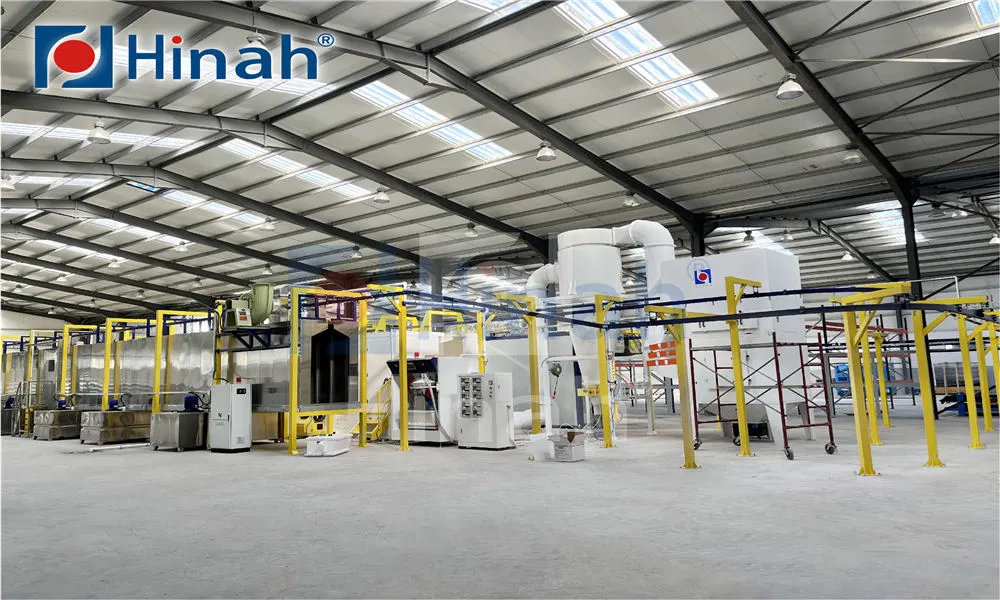
At HANNA, our approach to building powder coating booths starts with the end result: a flawless, consistent finish with maximum powder yield. We don't just assemble panels; we engineer an environment.
Our booths feature our high-efficiency cartridge recovery systems, proven to deliver exceptional powder reuse rates. The airflow is engineered for laminar flow, and every joint is sealed to contain overspray. Safety features are integral, not an afterthought.
We build with maintenance in mind, offering options like our easy-access "swing-out" filter cartridge design that drastically reduces changeover time. When you partner with HANNA, you're partnering with powder coating booth manufacturers who support you for the long term with training, documentation, and technical expertise.
Be cautious if a manufacturer or supplier:
Investing time in evaluating powder coating booth manufacturers prevents operational headaches and ensures your booth is a productivity asset, not a constant source of problems.
Q1: How often do powder booth filters need to be replaced?
A1: With a properly designed system and regular pulsing, cartridge filters from quality powder coating booth manufacturers like HANNA can last 1,000-2,000 operating hours. Frequency depends on powder type, throughput, and booth airflow. A sudden rise in booth backpressure is the key indicator that filters need attention.
Q2: Can I add an existing powder booth to a new automated gun system?
A2: Often, yes. However, you must verify the booth's internal dimensions provide enough clearance for reciprocator or robot movement. The booth's control system may also need an upgrade to interface with the new application equipment. Consulting the original manufacturer is the best first step.
Q3: What is the difference between a powder coating booth and a spray paint booth?
A3: They are fundamentally different. A liquid paint booth is designed to capture and exhaust overspray as waste, using water wash or air filtration. A powder coating booth is designed to actively capture and reclaim dry overspray for reuse, using a closed-loop recovery system with specific filters and collection mechanisms.
Q4: How important is lighting inside the booth?
A4: Extremely important. High-quality, shadow-free, explosion-proof lighting is critical for operators to see their work and achieve uniform coating coverage. Poor lighting leads to missed spots, inconsistent film build, and increased reject rates.
Q5: What maintenance is required daily and weekly on a powder booth?
A5: Daily: Wipe down exterior surfaces, check collection hoppers, and visually inspect for powder leaks. Weekly: Clean the booth interior (walls, floors, strips), check filter pressure gauges, and ensure all safety components (e.g., explosion relief panels) are unobstructed. Always follow the specific schedule from your powder coating booth manufacturers.