
Embarking on a powder coating plant setup is a significant capital investment and a strategic decision for any manufacturer. It's a project that demands meticulous planning, technical understanding, and a clear vision of your production goals. A well-executed setup is the difference between a facility that operates smoothly, profitably, and safely, and one plagued by bottlenecks, quality issues, and cost overruns. This article outlines the critical phases and decisions involved in a successful powder coating plant setup, providing a roadmap for stakeholders.
The first stage of any powder coating plant setup is not about ordering equipment. It's about defining the project's scope and constraints.
You must start with a deep analysis of your product mix. What are the maximum part dimensions and weights? What is your expected daily or annual throughput? What range of colors and finishes will you need? Answering these questions sets the baseline for every subsequent decision.
Equally important is site selection and evaluation. Ceiling height, floor load capacity, utility access (electrical, gas, water, and compressed air), and drainage capabilities are all non-negotiable factors. In many cases, adapting an existing building for a powder coating plant setup requires significant structural and infrastructural modifications.
This is the heart of your operation. The layout must follow the linear, logical flow of the coating process to minimize handling and transfer times.
1. Pre-Treatment Area
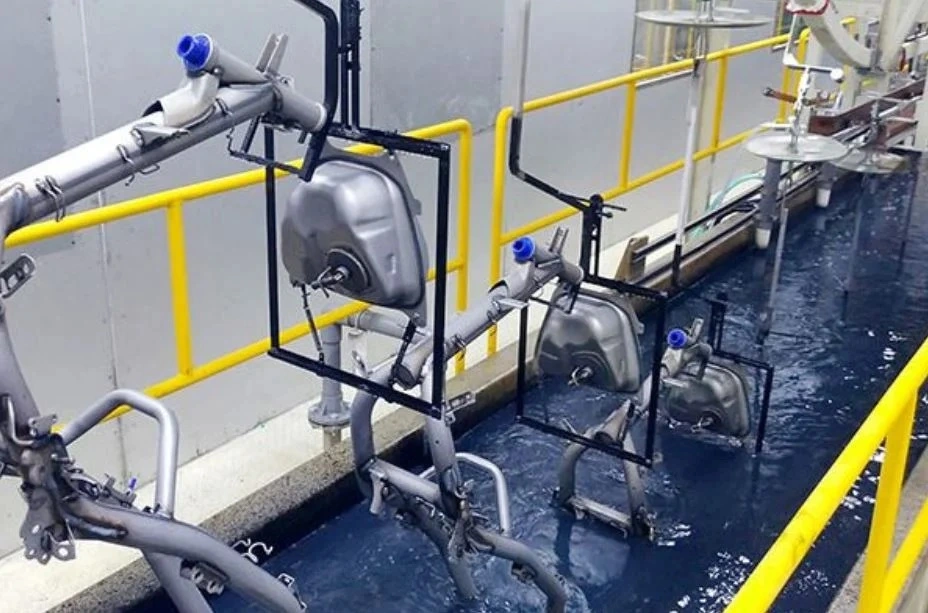
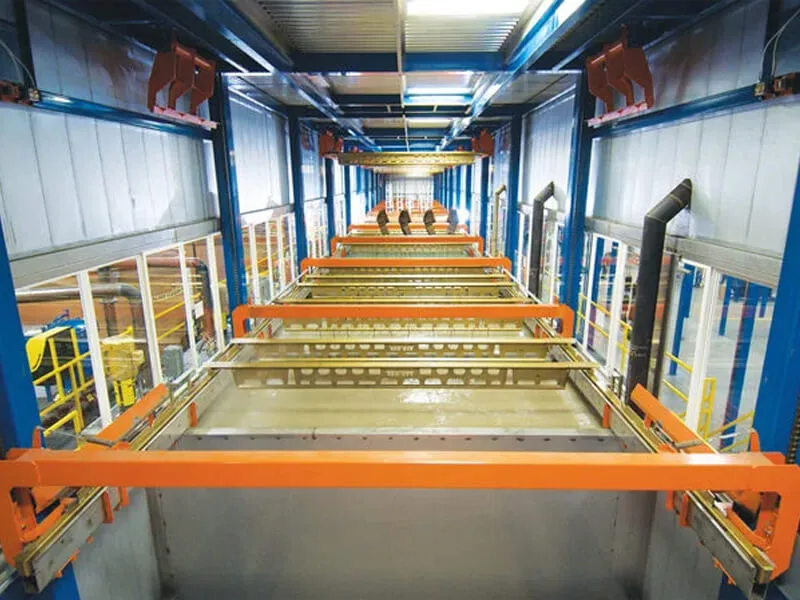
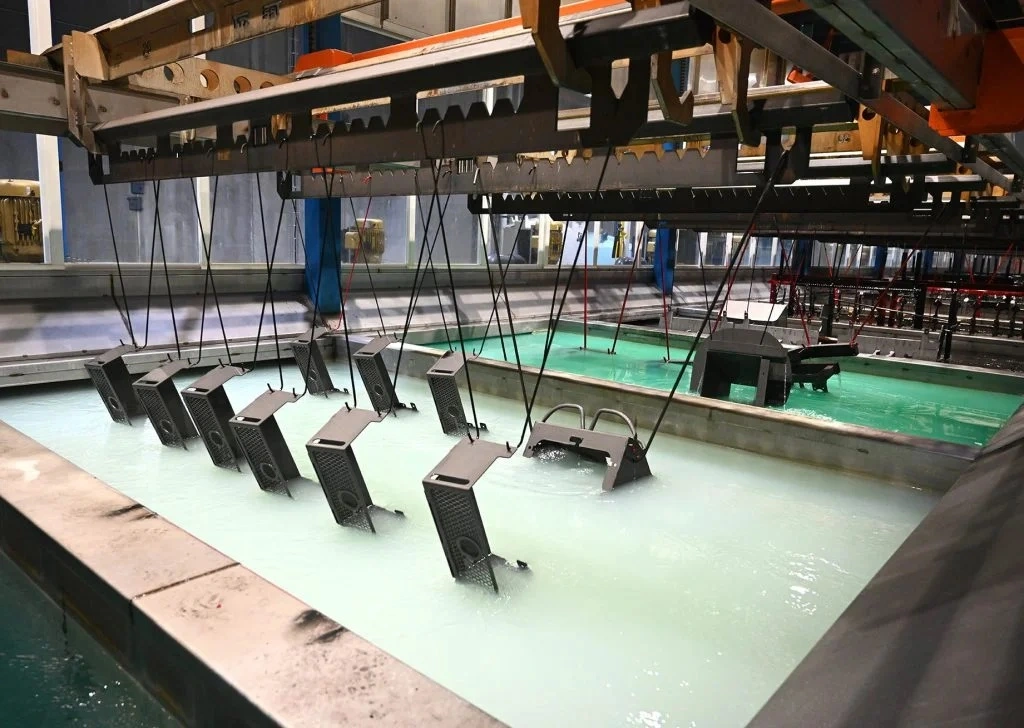
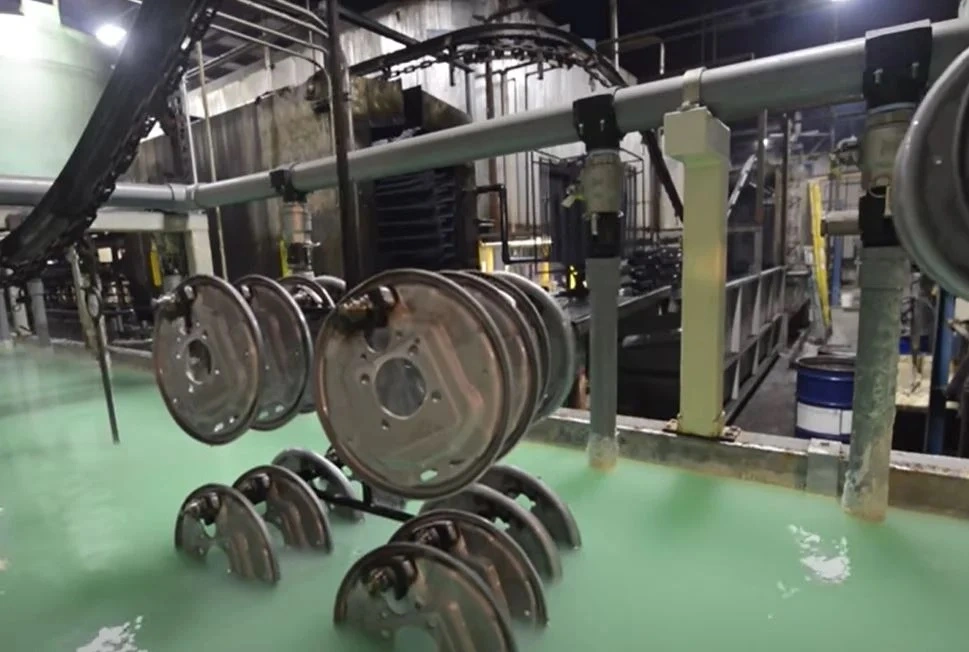
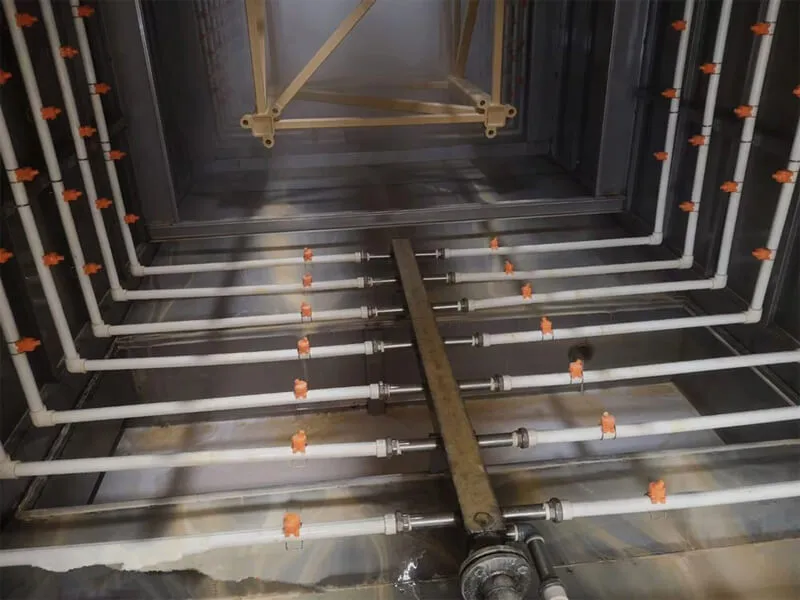
This is often the most complex area to design. The choice between spray washers and immersion tanks depends on part geometry, volume, and quality requirements. You must plan for chemical storage, mixing, and containment. Proper ventilation and heated tank systems are crucial. The powder coating plant setup must account for the space needed for these multi-stage tunnels and their service platforms.
2. Application and Recovery Booth
Here, decisions focus on manual, automatic, or hybrid application. The booth size is dictated by your largest part. A critical choice is the powder recovery system: cartridge filter modules or cyclone separators? Modern cartridge systems, like those from HANNA, offer high efficiency and easier color changes. The booth design must integrate seamlessly with your chosen application technology.
3. Curing Oven
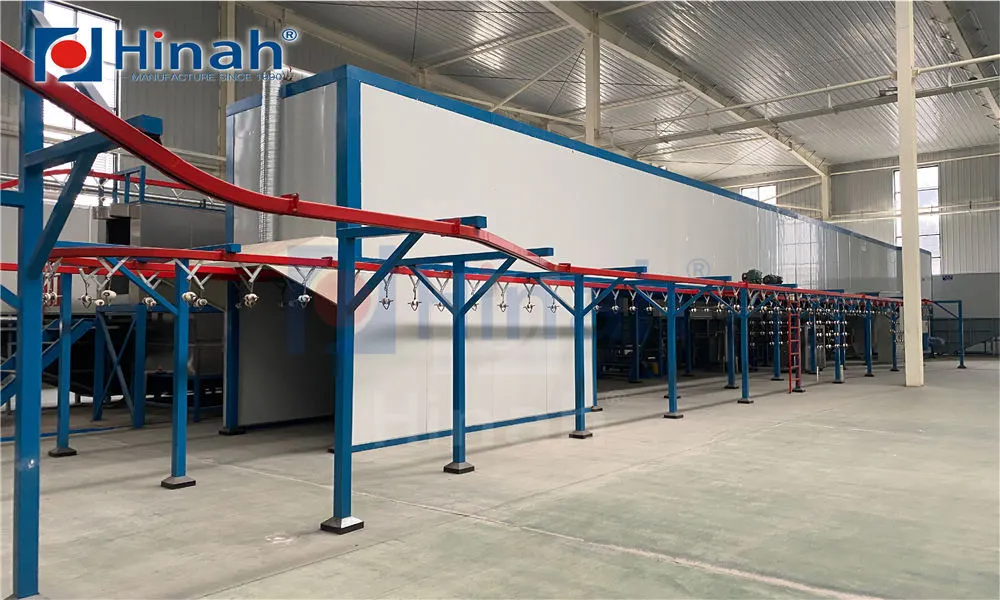
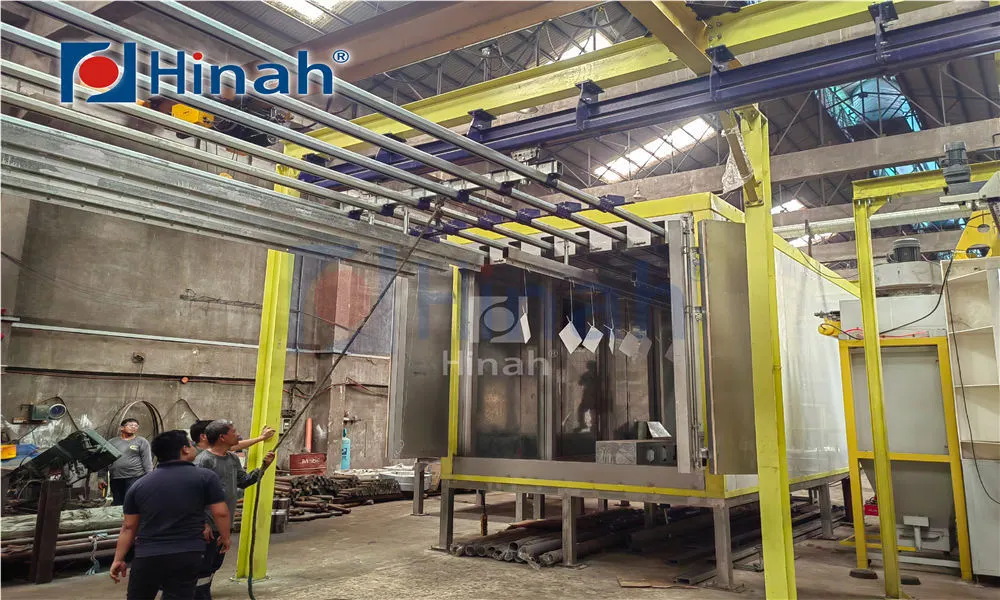
Oven selection is a major technical decision. Convection ovens provide even, reliable heat for complex parts. Infrared (IR) ovens offer speed but require simpler part shapes. Many plants benefit from a combination. The powder coating plant setup must include precise oven profiling to ensure every part reaches the correct temperature for the correct time, guaranteeing full cure.
The conveyor system is the backbone that ties your powder coating plant setup together. It dictates your line speed and flexibility.
Overhead Power & Free (P&F) systems are popular for their ability to stop, accumulate, and route parts independently. This is vital for allowing parts to cool or for managing different process times in pre-treatment and curing. Monorail systems are simpler but less flexible.
The conveyor must be specified to withstand the harsh environment—resistant to humidity, chemicals, and high heat. Load calculations must include the weight of the heaviest part, the hook, and the trolley system itself. A poor conveyor choice can cripple an otherwise excellent powder coating plant setup.
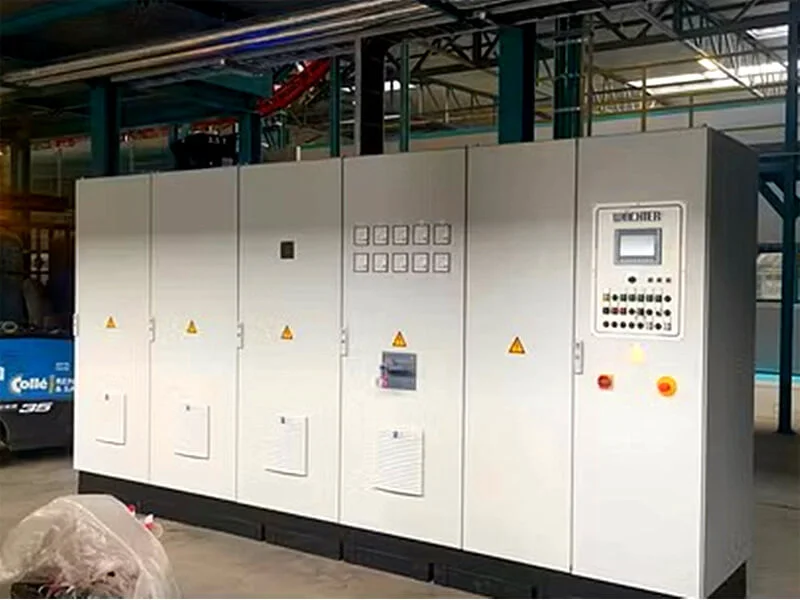
The core process cannot function without robust supporting systems. This area is frequently underestimated in initial budgets.
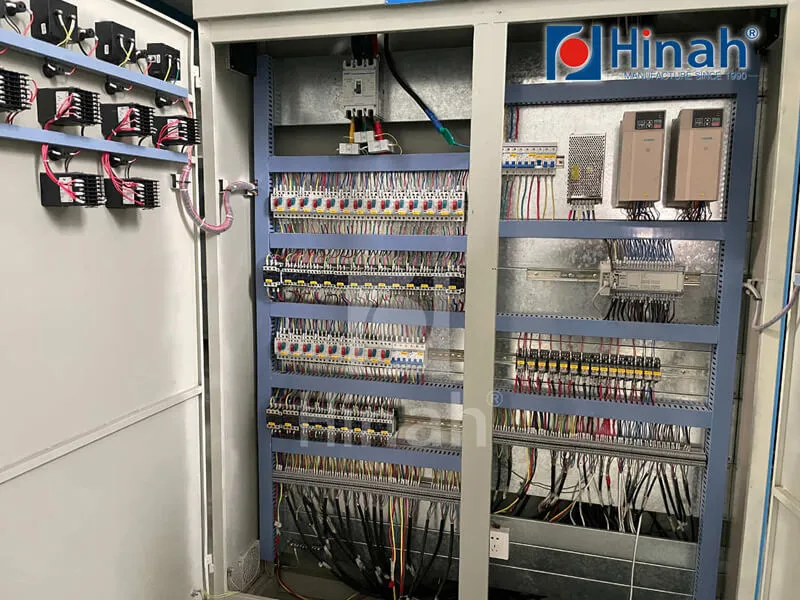
A dedicated powder room for storing, mixing, and feeding powder is essential for controlling contamination and humidity. High-capacity, oil-free air compressors and dryers are non-negotiable; wet air will ruin powder application and cause blockages.
Compliance must be designed into the powder coating plant setup from day one. This includes environmental permits for air emissions and water discharge, local building codes for fire protection (especially for powder booths and ovens), and adherence to occupational health and safety standards for worker exposure and ergonomics.
A realistic budget extends far beyond the price of major equipment. It must include site prep, utility hook-ups, installation labor, spare parts, training, and a contingency for unexpected costs. The total cost of a turnkey powder coating plant setup can vary dramatically based on automation level and complexity.
Choosing the right partner is perhaps the most critical decision. You need a supplier with proven experience in full plant integration, not just component sales. A partner like HANNA provides single-source accountability, ensuring the pre-treatment, booth, oven, and conveyor are engineered to work in perfect harmony from the start.
This reduces commissioning time, avoids finger-pointing between vendors, and delivers a system optimized for your specific throughput and quality targets. HANNA’s project management oversees the entire powder coating plant setup, from initial layout drawings to final process sign-off.
The final phase before production begins. Once equipment is installed, the commissioning process starts. This involves dry-running the conveyor, calibrating ovens, testing spray equipment, and fine-tuning the recovery system.
Operator training is conducted during this phase. Staff must be trained not just on how to operate the equipment, but on safety protocols, routine maintenance, and basic troubleshooting. A well-planned powder coating plant setup includes comprehensive documentation and training from the supplier.
Finally, the line is tested with actual parts. This "wet" commissioning phase fine-tunes gun settings, conveyor speed, and oven temperature profiles to achieve the specified film thickness and cure. Only after consistent quality is achieved is the plant handed over for full production.
A successful powder coating plant setup is a complex but manageable project when approached methodically. By focusing on thorough planning, intelligent layout, robust infrastructure, and choosing an integration partner with a track record of success, you lay the foundation for a facility that delivers high-quality, durable finishes efficiently and profitably for years to come.
Q1: What is the typical timeline from project approval to full production for a new powder coating plant setup?
A1: For a medium-complexity, turnkey system, expect a timeline of 6 to 9 months. This includes 1-2 months for detailed engineering, 3-4 months for equipment fabrication, 1-2 months for installation, and 1 month for commissioning and training. Complex or highly automated lines can take longer.
Q2: How much clear height do I need in my building for a standard overhead conveyor system?
A2: A minimum clear height of 4.5 to 5.5 meters (15-18 feet) is typically required. This accounts for the conveyor track and trolleys, the part hanging length (which can be significant for tall parts), and safe clearance from the floor. HANNA engineers perform a detailed ceiling height study during the layout phase.
Q3: Can I start with a manual powder coating plant setup and automate later?
A3: Yes, but with careful planning. The initial design should "future-proof" key areas. This means allocating space for automatic guns or reciprocators, ensuring your conveyor control system is upgradable, and oversizing recovery and feed systems to handle future increased throughput. A phased approach is a common and smart strategy.
Q4: What are the most common mistakes to avoid during the planning stage?
A4: The top mistakes are: underestimating required utility capacities (especially electrical and compressed air), neglecting proper space for part loading/unloading and staging, skipping a detailed airflow study for the oven and booth, and failing to plan for future expansion. A partner like HANNA helps you identify and avoid these pitfalls early.
Q5: How do I ensure my powder coating plant setup meets local environmental regulations?
A5: Regulations vary by region. The best practice is to engage with local environmental consultants or authorities during the planning phase. Reputable equipment suppliers will design compliant systems. For example, HANNA’s powder booths with certified filter systems ensure particulate emissions meet strict standards, and our pre-treatment designs can incorporate water recycling loops to minimize discharge.