
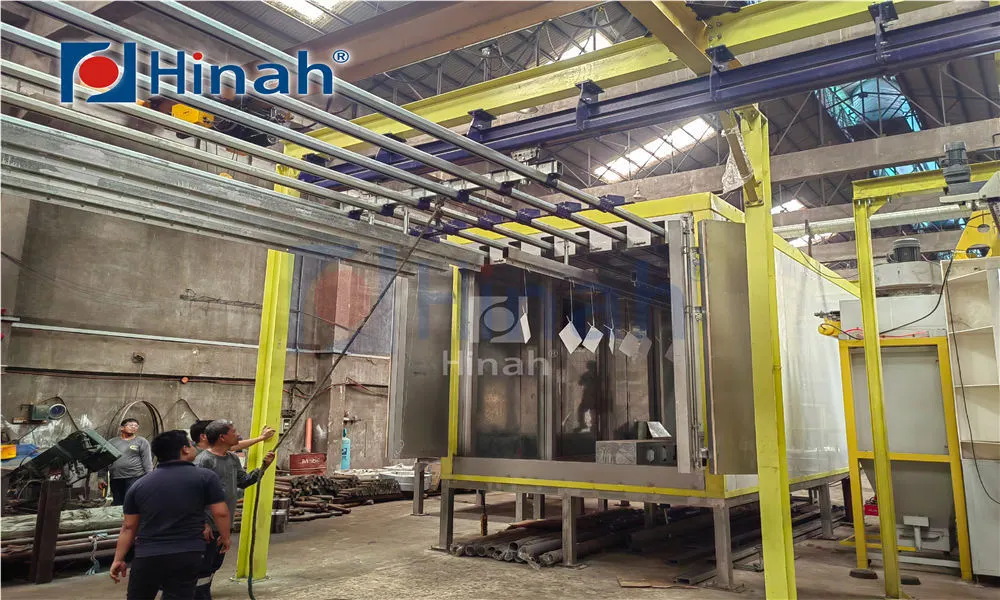
Consistency. That's the relentless demand in industrial finishing. One batch must match the next, shift after shift. Manual powder coating introduces variables—human technique, fatigue, inconsistency. This is where technology steps in. An automatic powder coating line transforms this variable process into a precise, repeatable, and highly efficient manufacturing operation. It's not just about replacing a person with a machine; it's about engineering a complete system for predictable, high-quality results.
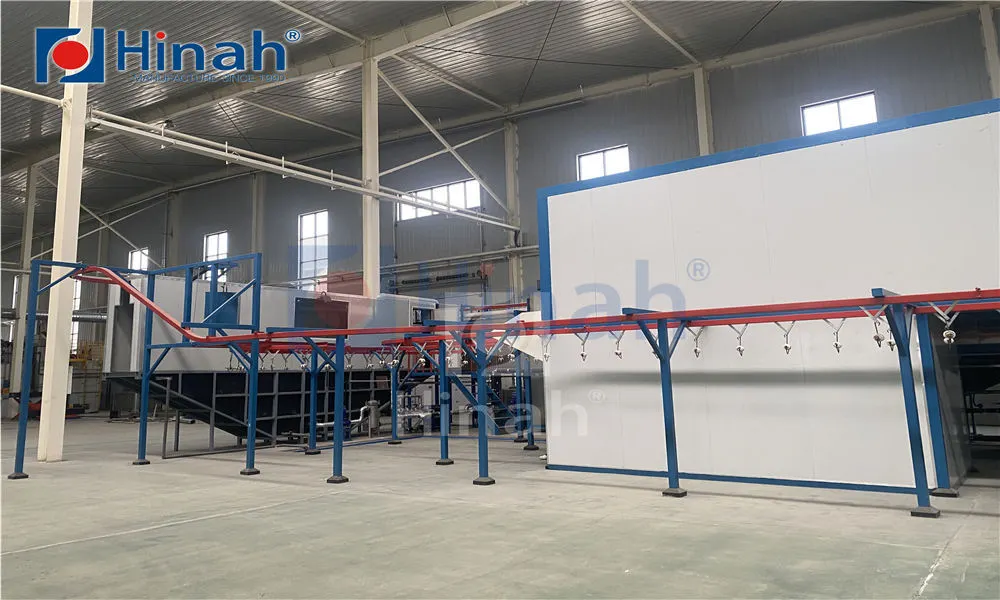
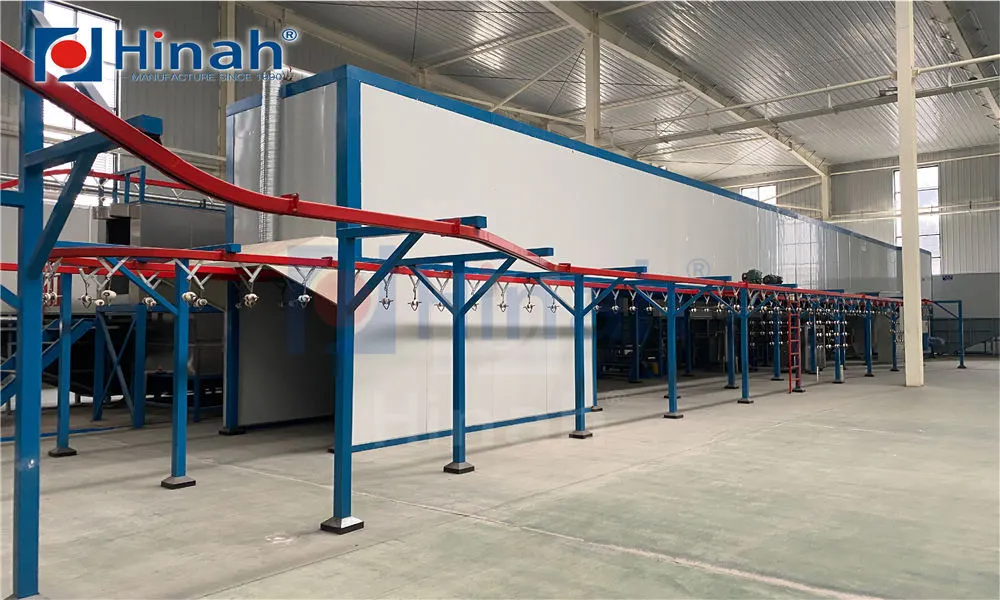
An automatic powder coating line is a synchronized series of stations. Each component plays a specific role in the journey from raw part to finished product. Understanding these parts is key to seeing the full picture.
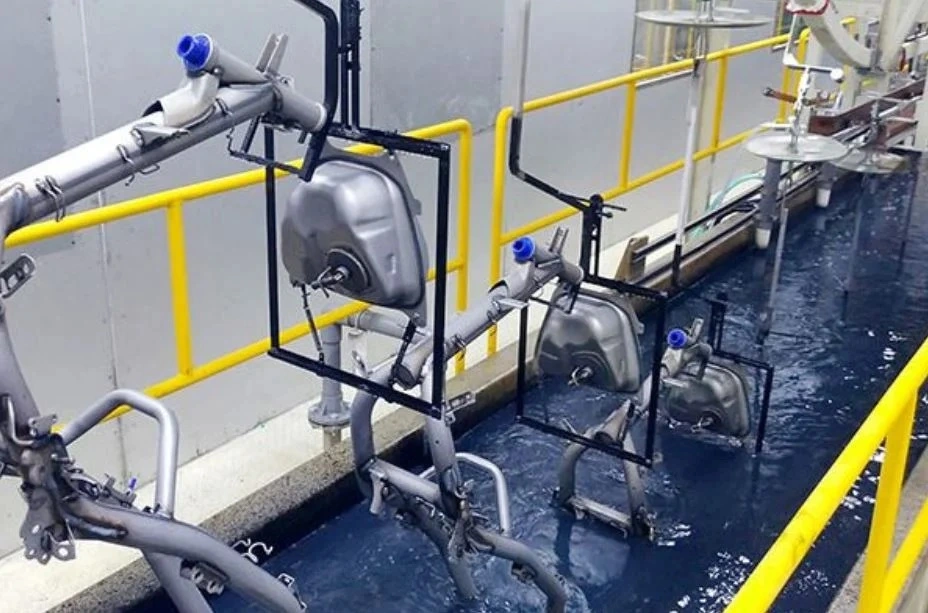
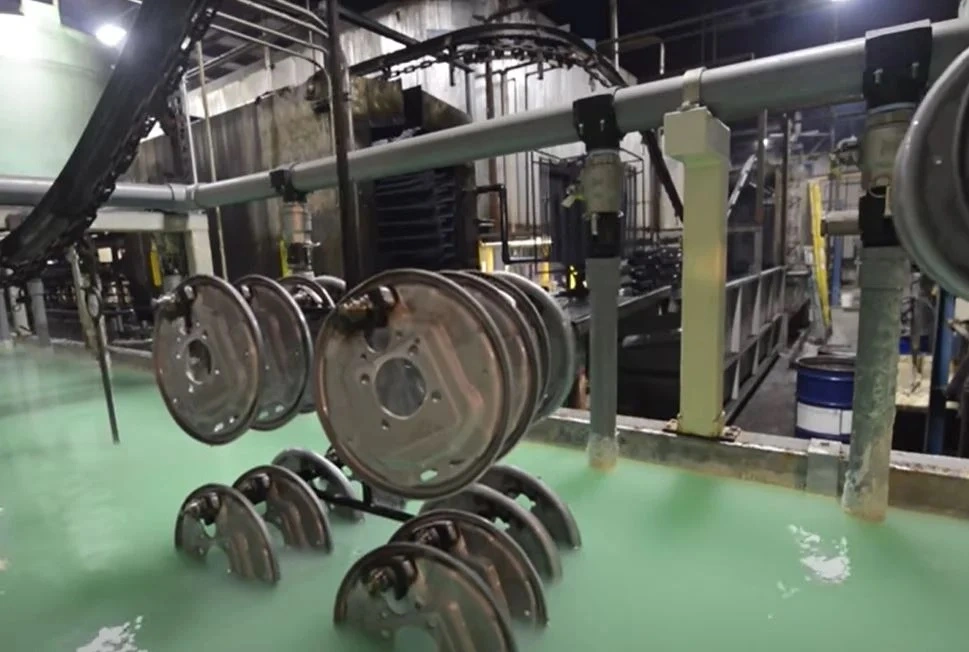
The process starts with automated pre-treatment. This is often a spray washer tunnel. Parts on the conveyor are sprayed with cleaning and conversion coating chemicals in a timed sequence. Consistency here is foundational for coating adhesion.
The drying oven removes moisture from the pre-treated parts. A completely dry surface is critical before powder application. Any moisture will cause defects in the final finish.
Next is the automated application booth. This is the heart of the line. Here, robotic or reciprocator-mounted spray guns apply the powder. Advanced recovery systems immediately reclaim overspray powder for reuse.
The final thermal stage is the cure oven. Parts enter this high-temperature oven where the powder melts, flows, and cures into a durable finish. Precise temperature and time control are non-negotiable.
The unspoken hero is the intelligent conveyor system. It is the central nervous system, moving parts at a calculated speed through each stage with absolute timing precision.
The shift to an automatic powder coating line delivers measurable benefits that impact quality, cost, and operational control.
The most significant gain is in finish consistency and quality. Automated guns follow a programmed path every time. This eliminates human variables, ensuring uniform film thickness, even on complex geometries. Rejection rates drop dramatically.
Material savings are substantial. Advanced electrostatic controls and gun triggering ensure powder is only applied when a part is present. Combined with high-efficiency recovery systems, powder utilization rates of 95-99% are achievable. This drastically reduces waste.
Labor is reallocated to higher-value tasks. Operators move from repetitive spraying to loading, unloading, quality inspection, and system supervision. This also improves working conditions by removing personnel from the direct application environment.
Throughput becomes predictable and often increases. The line runs at a constant, optimized speed. There are no pauses or speed variations common in manual work. You can accurately forecast daily and weekly output.
Implementing a successful automatic powder coating line requires careful upfront planning. Several factors dictate the final design and performance.
Part mix analysis is the first step. What is the size, shape, and weight of your products? How many different parts will run? A line coating small brackets has different needs than one coating large agricultural equipment. Flexibility must be designed in.
The choice between robots and reciprocators is central. Multi-axis robots offer unmatched flexibility for complex, three-dimensional parts. Reciprocators are excellent for coating flat or uniformly shaped products. Many lines use a combination of both.
Grounding and racking design is a technical must. The conveyor and fixtures must provide flawless electrical grounding for the electrostatic process. Racks must hold parts securely while minimizing coating shadows and powder buildup.
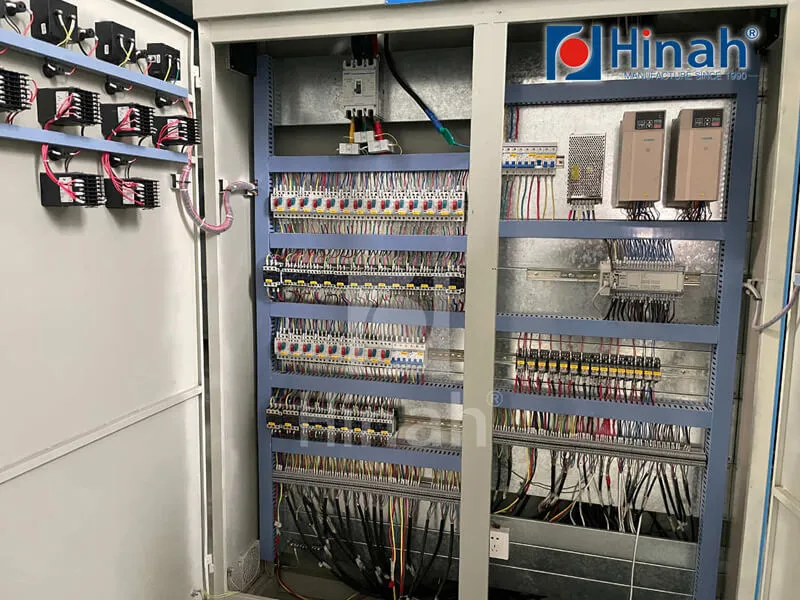
System integration and controls are what make it "smart." A centralized PLC should govern the conveyor, oven temperatures, gun triggering, and booth functions. This creates a single, manageable interface for the entire automatic powder coating line.
At HANNA, we see automation as a holistic solution. Our automatic powder coating line projects are built on integration and reliability.
We focus on seamless communication between all subsystems. Our control architecture allows the curing oven to communicate with the conveyor, which talks to the application robots. This ensures process parameters are always synchronized.
We engineer for uptime. Components are selected for industrial durability. Easy-access maintenance points, modular designs, and comprehensive training ensure your line stays productive. Our goal is to make the system predictably reliable.
Custom software tools provide deep process insight. Operators can monitor film build, gun performance, and energy consumption in real time. This data is crucial for continuous improvement and troubleshooting.
Operational Insights and Maintenance Focus
Running an automatic powder coating line requires a different skillset than managing a manual booth. The focus shifts from manual skill to system oversight.
Preventive maintenance becomes the top priority. A scheduled regimen for cleaning filters, checking gun nozzles, calibrating sensors, and lubricating machinery prevents unplanned downtime. The cost of an hour of line stoppage is high.
Powder management is more systematic. While recovery is efficient, maintaining virgin/reclaim powder ratios, keeping hoppers fluidized, and ensuring color change protocols are followed is essential for consistent color and texture.
Quality control is data-driven. Regular checks with mil thickness gauges and adhesion testers confirm the system is performing to spec. This data feeds back into the control system for fine-tuning.
The evolution of the automatic powder coating line continues. The next wave focuses on intelligence and environmental performance.
Integration with Industrial Internet of Things (IIoT) platforms is growing. Lines will increasingly predict maintenance needs, optimize energy use in real-time based on load, and provide granular production analytics to plant management systems.
Sustainability is a major driver. Future lines will feature even higher recovery rates, lower-cure ovens that save energy, and advanced filtration minimizing any particulate release. The goal is a near-zero-waste process.
Adaptive application technology is on the horizon. Systems using advanced vision sensors could automatically adjust gun paths and parameters for each unique part entering the booth, maximizing efficiency for mixed-production runs.
Moving to an automatic powder coating line is a strategic investment in the future of your manufacturing capability. It is a commitment to quality consistency, operational efficiency, and sustainable production.
The return is measured in reduced waste, lower labor costs per part, predictable output, and a superior, repeatable product finish. In a competitive market, this level of control is often the differentiator.
Partnering with an experienced provider like HANNA ensures this complex integration is done right. The result is a robust, intelligent system that becomes a reliable and profitable cornerstone of your production for years to come.
Q1: What is the typical payback period for investing in an automatic powder coating line?
A1: Payback periods vary but often range from 1.5 to 3 years. Key factors driving ROI include your current manual labor and material waste costs, production volume increase, and reduction in quality-related rework. A detailed analysis by a provider like HANNA can model this accurately for your specific operation.
Q2: Can an automatic line handle frequent color changes?
A2: Yes, but the design must accommodate it. A "quick color change" (QCC) booth with segmented recovery, clean-air walls, and automated purge systems is essential. While faster than cleaning a manual booth, frequent changes (e.g., every 15 minutes) still impact throughput. The line should be designed around your specific color change frequency.
Q3: How much floor space is required compared to a manual setup?
A3: An automatic line is often more space-efficient in terms of output per square foot. However, it requires a continuous, linear footprint for the conveyor's path. The total space needed depends on the required oven dwell times and line speed. A thorough layout drawing is a critical first step in any project.
Q4: What skill level is needed to operate and maintain the system?
A4: Operators require less manual spray skill but more technical understanding. Training focuses on HMI operation, loading/unloading, basic troubleshooting, and executing preventive maintenance checks. Mechanical and electrical maintenance personnel will need specific training on the robots, conveyors, and control systems.
Q5: Is it possible to automate an existing manual powder coating line?
A5: In many cases, yes. This is often a phased approach. You might first add automated guns and a recovery system to your existing booth and conveyor. Later, you could upgrade the conveyor controls or ovens. HANNA frequently conducts such retrofit projects, which can be a cost-effective way to step into automation.