If you're coating more than a few parts per day, you know the bottlenecks. Manual handling, inconsistent curing, and uneven application eat into your profits. The solution for consistent, high-volume finishing is a well-designed conveyor paint line.
This system automates the movement of parts through every stage: pre-treatment, drying, coating, and curing. It turns a series of discrete operations into a smooth, continuous process. The result is a dramatic increase in throughput and a significant decrease in labor costs per part.
At HANNA, we design and integrate conveyorized systems for powder coating operations worldwide. We see how the right conveyor paint line transforms shops from chaotic to controlled. Let's break down how it works and what it can do for your business.
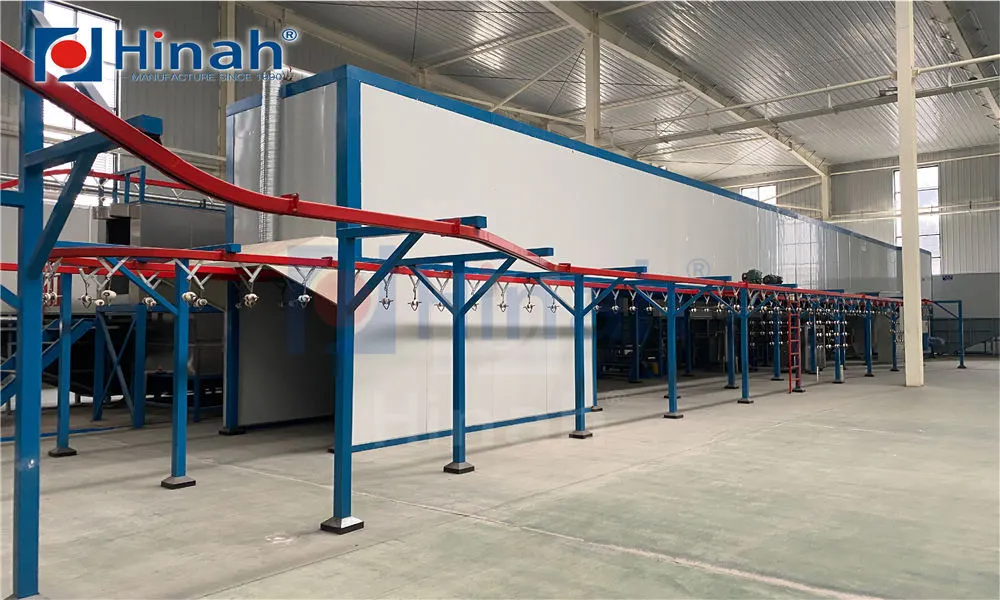
A conveyor paint line is more than just a track. It's a synchronized series of zones, each with a specific function. The conveyor itself is the backbone, but the supporting stages are what create the finished product.
The chain or belt moves at a precise, calculated speed. This "line speed" determines the dwell time in each zone. It is the single most important variable for planning your capacity and ensuring proper cure.
The Conveyor Itself: Overhead vs. Flat Line
Your choice of conveyor defines your system's flexibility. Overhead monorail conveyors are the most common for powder coating. They use an I-beam track with trolleys and carry parts on hooks or racks. They excel at handling parts of various sizes and are ideal for multi-story facilities.
Flat-line or floor conveyors, like belt or chain-on-edge systems, are perfect for heavy, bulky items or panels. They keep the workload at a consistent, ergonomic height. HANNA engineers help you choose the right type based on your part mix, facility layout, and cleaning needs.
Essential Stations in a Modern Paint Line
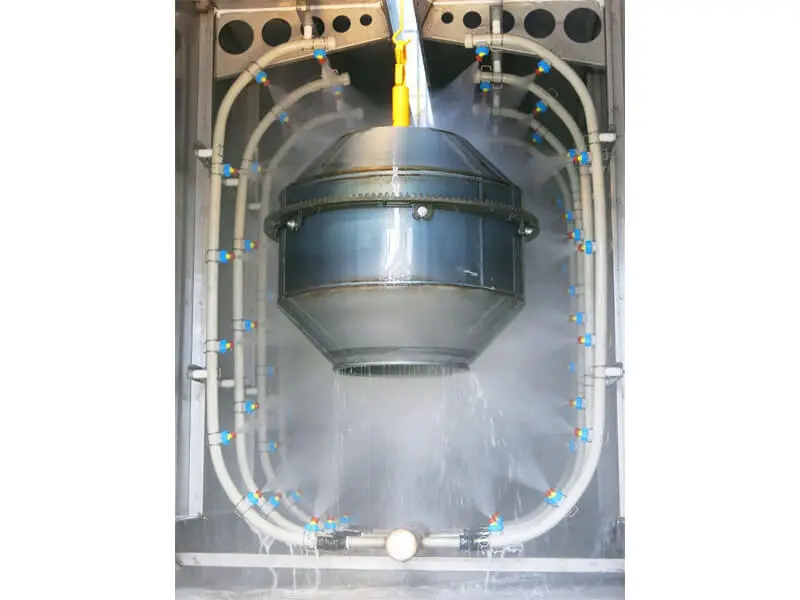
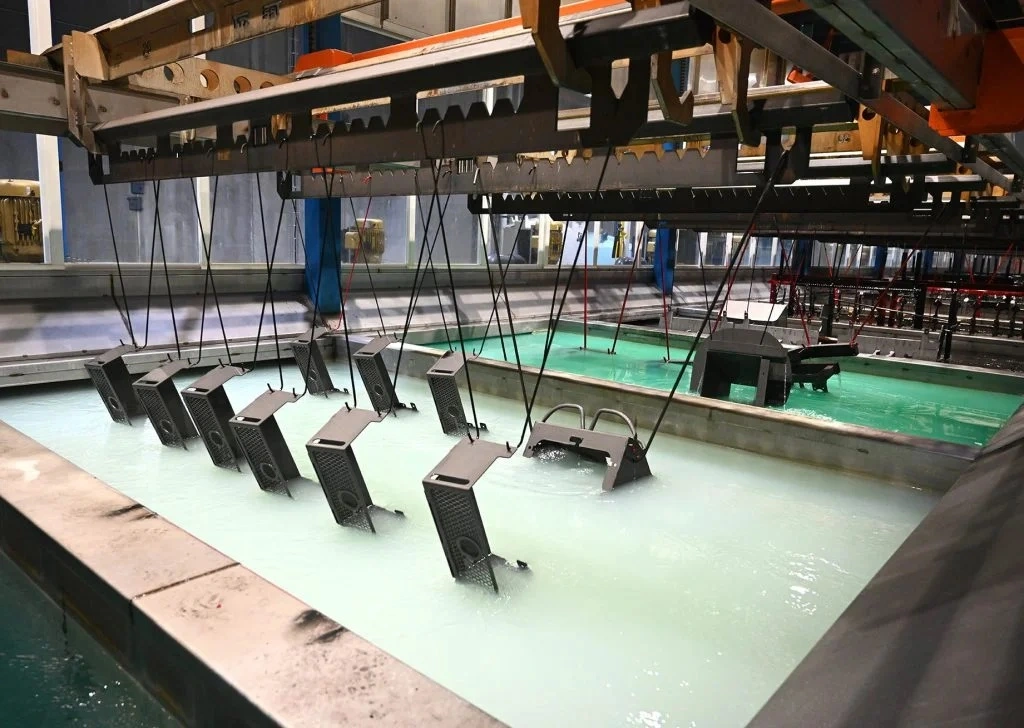
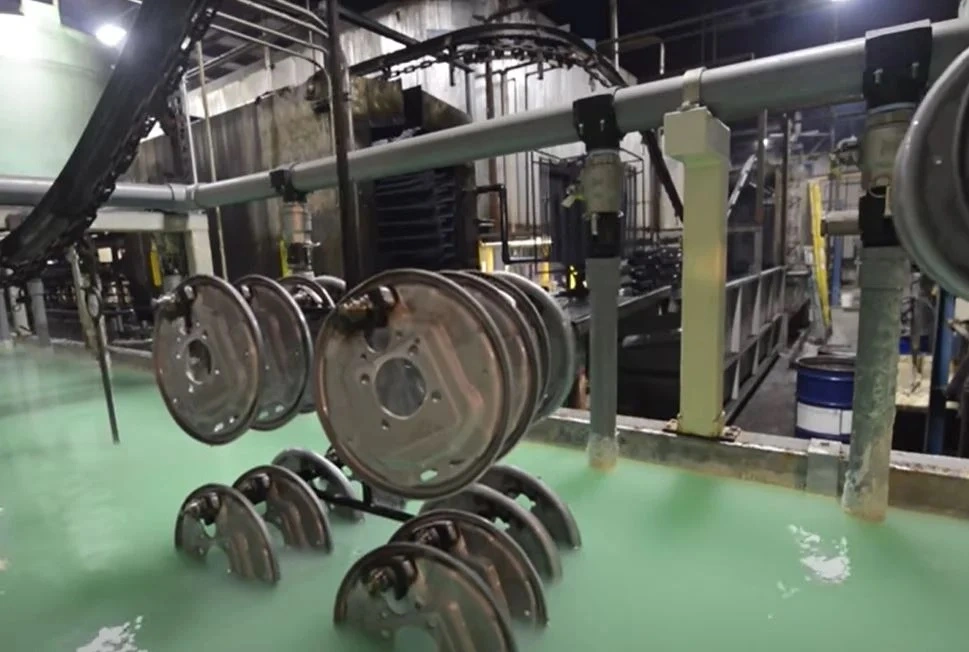
Every effective line follows a logical sequence. First comes pre-treatment: cleaning and chemically preparing the metal surface. This often involves spray or immersion stages for washing, rinsing, and phosphating. A dry-off oven removes moisture before coating.
Next is the application booth, where powder is applied. The part then moves into the cure oven, where the powder melts and flows into a durable finish. Finally, the part cools before unloading. A well-planned conveyor paint line spaces these zones for optimal workflow and safety.
Why make the investment? The advantages go far beyond simply moving parts faster. They touch every aspect of your operation's health.
The most obvious gain is in throughput. A continuous flow means no waiting between stages. You can calculate your output precisely based on line speed and racking density. This predictability is crucial for meeting delivery schedules and scaling your business.
Quality becomes remarkably consistent. Each part receives identical dwell times in the cure oven. This eliminates the under- or over-curing common in batch ovens. The automated movement also reduces the risk of handling damage between stages.
Labor and Floor Space Efficiency
You reallocate labor from material handling to more valuable tasks like racking, quality control, and maintenance. The conveyor also optimizes your factory footprint. It utilizes vertical space and creates a logical, linear flow that reduces wasted movement.
Selecting a system isn't a one-size-fits-all decision. It requires a clear analysis of your current and future needs.
Assessing Your Production Requirements
Start with your parts. What are their dimensions, weights, and shapes? How many do you need to coat per hour or per shift? This defines your required line speed and conveyor strength.
Consider your powder types and color change frequency. Some lines incorporate multiple application booths or sophisticated clean-booth designs for fast changes. HANNA's project analysis always starts with a deep dive into these practical details.
The Importance of Integration and Controls
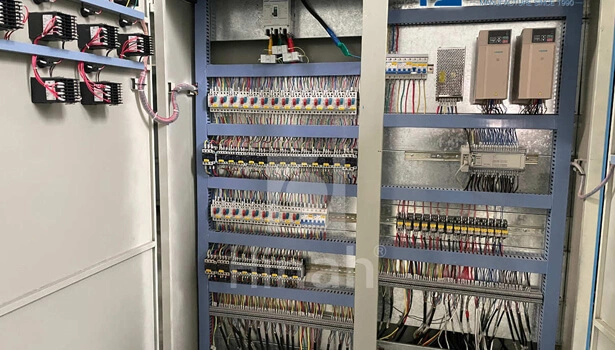
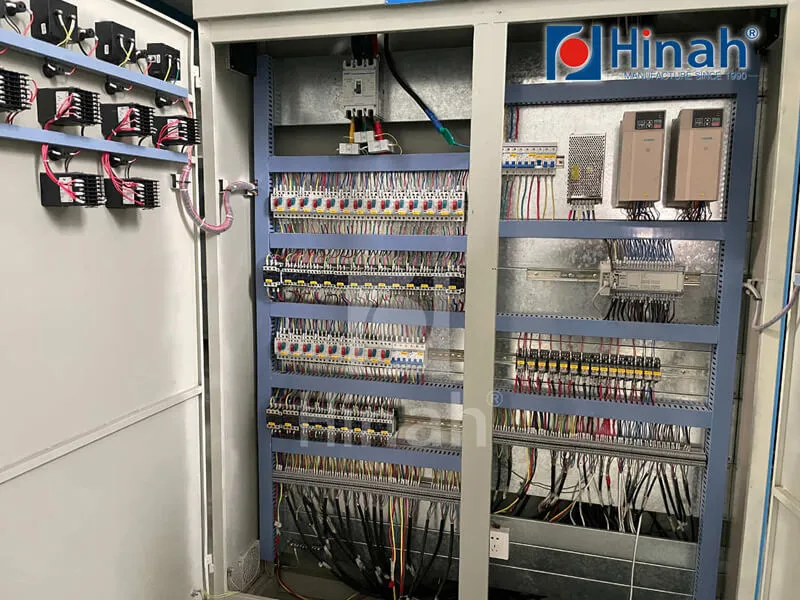
A line is only as good as its weakest link. The conveyor, ovens, and booth must be perfectly synchronized. Modern systems use PLC (Programmable Logic Controller) panels to manage everything from oven temperature to conveyor stop/start.
Look for a supplier like HANNA that provides a fully integrated system. Single-source responsibility prevents the headaches of mismatched equipment and ensures seamless communication between all components.
A conveyor paint line is a long-term asset. Proper care ensures it runs reliably for decades.
Routine Maintenance Checklist
Daily tasks include visual inspections of the chain, trolleys, and hooks for wear or damage. Listen for unusual noises. Keep track lubrication systems filled and clean. For the ovens, monitor burners and airflow regularly.
Weekly, inspect drive motors and take-up units for proper tension. Check safety stops and emergency pull cords. A disciplined maintenance routine prevents unexpected downtime, which is far more costly than planned service.
Troubleshooting Common Conveyor Line Issues
Uneven curing often points to oven temperature profiles or line speed inconsistency. Use data loggers to verify heat exposure. If parts are swinging or rotating poorly, check hanger balance and spinner mechanisms.
Poor powder application coverage can sometimes be traced to grounding issues. Ensure your conveyor is properly grounded through the chain and that hooks make clean contact. HANNA's service teams specialize in diagnosing and resolving these operational gremlins.
The modern conveyor paint line is getting smarter. Industry 4.0 principles are bringing new levels of control and data visibility.
IoT sensors can now track energy consumption per zone, filter pressure drops, and real-time line position. This data feeds into dashboards, providing insights for efficiency gains. Predictive maintenance alerts you to replace a motor bearing before it fails, not after.
Advanced control systems allow for recipe management. With a few taps, an operator can set line speed, oven zones, and gun parameters for a specific part. This reduces setup time and human error.
Viewing a conveyor paint line as merely an expense is a mistake. It's a strategic investment in your company's capacity, quality, and competitiveness.
A well-designed system from an international partner like HANNA pays back through higher output, lower reject rates, and reduced direct labor. It provides the foundation you need to take on larger, more complex projects with confidence.
Plan for not just today's volume, but tomorrow's. The right system can often be expanded or modified. Start with a clear understanding of your process, and partner with experts who can translate that into a reliable, high-performing conveyor paint line.
Q1: What is the typical lifespan of a well-maintained conveyor paint line?
A1: With a robust design from a quality manufacturer like HANNA and a strict preventive maintenance program, the core structure of a conveyor paint line can last 20 to 30 years or more. Key wear components like chains, trolleys, and oven elements will need planned replacement, but the system itself is a long-term asset.
Q2: How do we determine the correct line speed for our new system?
A2: Line speed is calculated backwards from your desired output and required cure time. First, know the exact cure profile of your powder. Then, factor in the length of your cure oven. The formula is: Line Speed = Oven Length / Cure Time. You must also account for part size, spacing, and pre-treatment dwell times. HANNA's engineers perform these calculations as part of the system design.
Q3: Can a conveyor paint line handle a wide mix of different part sizes and shapes?
A3: Absolutely. That's one of its key strengths. The system is designed around your "hanging profile." Using adjustable hooks, baskets, or custom racks, you can coat small brackets and large assemblies on the same line. The key is planning the racking design and scheduling batches efficiently to maximize the use of the conveyor's space.
Q4: How energy-efficient are modern conveyorized ovens?
A4: Modern cure and dry-off ovens are significantly more efficient than older models. Features like high-velocity air recirculation, improved insulation (e.g., ceramic fiber), direct-fired burners with high turndown ratios, and tightly sealed openings all reduce energy waste. An integrated HANNA system is designed to minimize heat loss and optimize fuel or power usage.
Q5: Is it possible to retrofit or expand an existing conveyor paint line?
A5: Yes, expansion and retrofits are common. You can often extend the conveyor track to add stations, upgrade an older oven with new burners and controls, or add a second application booth. The feasibility depends on the original system's design and capacity. A consultation with HANNA's technical team can determine the best and most cost-effective approach for your growing business.