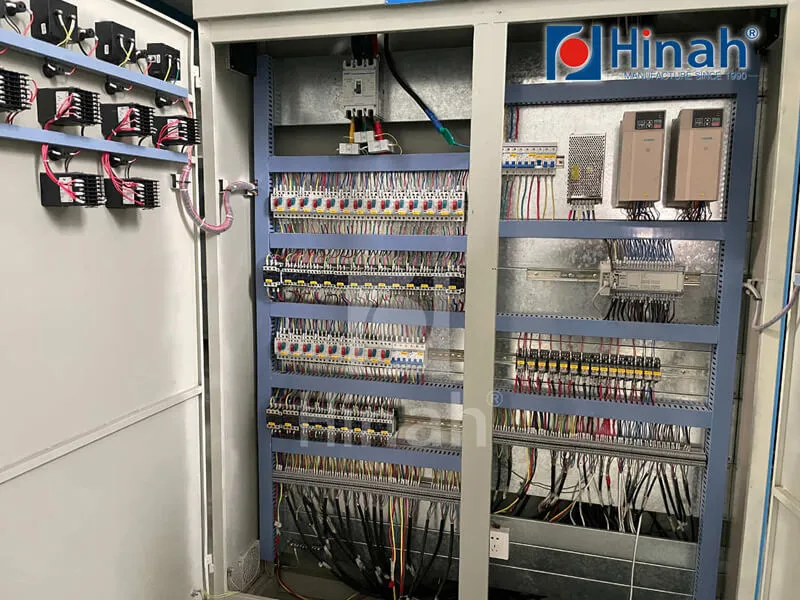
An automatic paint robot is a transformative tool in industrial finishing. It brings high precision and repeatability to both liquid and powder coating processes. Investing in an automatic paint robot can significantly improve quality and reduce operational costs. This guide explains how these robots work, their key benefits, and what to consider for successful integration.
An automatic paint robot is a programmable, multi-axis mechanical arm. It is designed to hold and manipulate a coating applicator, such as a spray gun.
The robot executes a pre-programmed path with exact speed and positioning. This ensures every part receives a consistent application. It operates within a dedicated spray booth or cell.
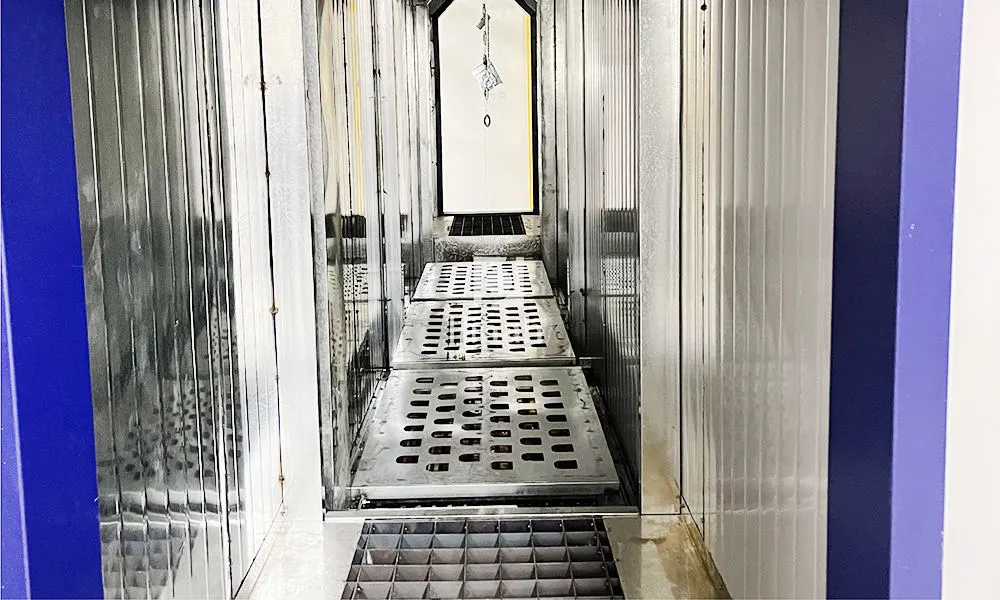
A complete system involves more than just the robotic arm.
Adopting robotic automation offers clear advantages over manual spraying methods.
Repeatability is the primary strength of an automatic paint robot.
Results include:
Robots work at a constant, optimized pace without fatigue.
Operational improvements:
Precise control leads to direct waste reduction.
Specific savings areas:
Robots handle tasks in hazardous environments.
Safety benefits:
The integration of an automatic paint robot in powder coating follows a precise sequence.
The typical process flow:
Integration with Existing Paint Lines
Adding an automatic paint robot to a line requires careful planning. HANNA specializes in seamless integration projects.
Key integration points include:
The conveyor system must provide stable, repeatable part presentation. HANNA’s heavy-duty conveyors are ideal for this demanding role.
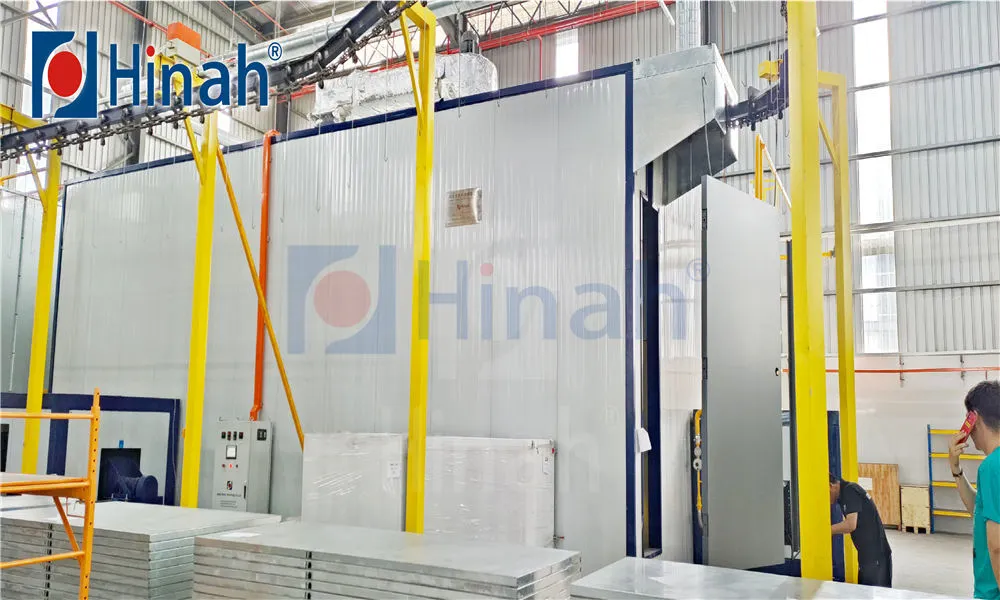
Selecting a robot involves evaluating technical specifications and supplier support.
Critical factors to consider:
Always consider the total system, not just the robot arm. Support from the supplier is crucial for long-term success.
Robotic systems need scheduled maintenance to ensure reliability.
A standard maintenance plan includes:
Operator roles evolve from manual sprayers to programmers and system supervisors. Training on basic troubleshooting is important.
HANNA provides complete solutions for automated finishing. We integrate best-in-class automatic paint robot units with our own proven oven and conveyor systems.
Our approach ensures:
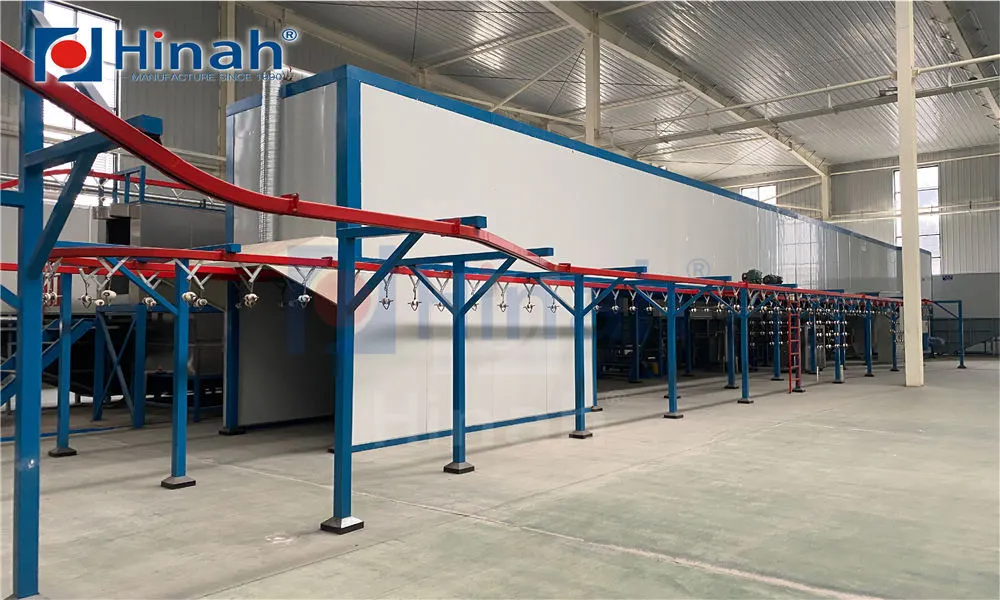
A HANNA-engineered robotic cell is designed for performance and durability in industrial conditions.
Implementing an automatic paint robot is a strategic investment for achieving superior finish quality and operational efficiency. It delivers consistent results, reduces waste, and improves workplace safety. Success depends on proper selection, integration, and programming tailored to your specific products. With expert partners like HANNA, manufacturers can effectively leverage this technology to gain a competitive advantage.
Q1: What is the typical return on investment (ROI) for an automatic paint robot?
A1: ROI depends on production volume, labor costs, and material savings. Many operations see a payback period of 1 to 3 years. Savings come from reduced labor, lower material usage, higher throughput, and less rework. HANNA can provide a detailed ROI analysis based on your data.
Q2: Can one robot handle both liquid paint and powder coating?
A2: While possible, it is not generally recommended. The application equipment and booth requirements are very different. Cross-contamination is a major risk. Most manufacturers dedicate a robot to one process. Some robots can be re-tooled for a permanent switch, but not for frequent changes.
Q3: How safe are automatic paint robots to operate around?
A3: They are very safe when proper safeguards are installed and followed. This includes physical fencing, safety interlocks, light curtains, and emergency stops. Operators must be trained on safety procedures. Robots used in hazardous locations must have appropriate explosion-proof ratings.
Q4: How long does it take to program a robot for a new part?
A4: For a simple part, teaching a path manually might take a few hours. For complex parts with offline programming software, programming can take a day or more. The key is creating a library of programs for repeat jobs, which saves significant time in the long run.
Q5: What maintenance is most critical for reliable robot operation?
A5: Preventive maintenance on the robot’s mechanical components is vital. This includes regular lubrication of axis gears and checking belt tensions. For the application side, daily cleaning of the powder spray gun and weekly checks of the pump and fluidization are essential to prevent process issues.