
Seeing a powder coating line for sale can be exciting. It might look like the perfect solution to boost your shop’s capacity or finally bring your coating process in-house. But a complete line is a major investment. The right system will pay for itself in efficiency and quality. The wrong one becomes a source of constant downtime and frustration.
The key is moving beyond the initial listing or advertisement. You need to dig into the specifics of the equipment, its history, and its true fit for your operation. This list of questions will help you evaluate any powder coating line for sale and make a confident, informed decision.
The term "powder coating line" is broad. One vendor might be selling just a booth and oven. Another could include everything from pretreatment to handling. You must get a complete, itemized list.
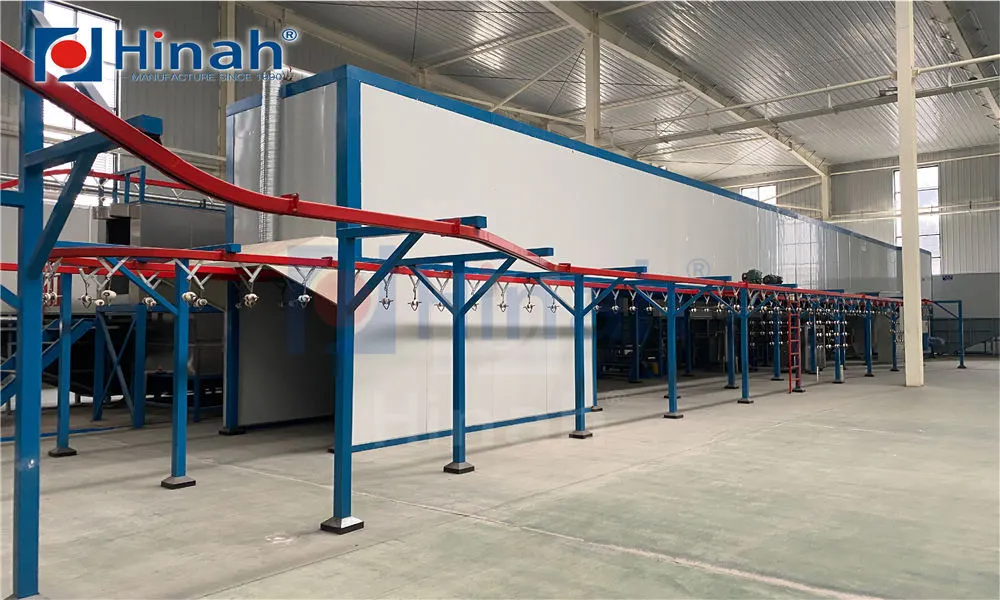
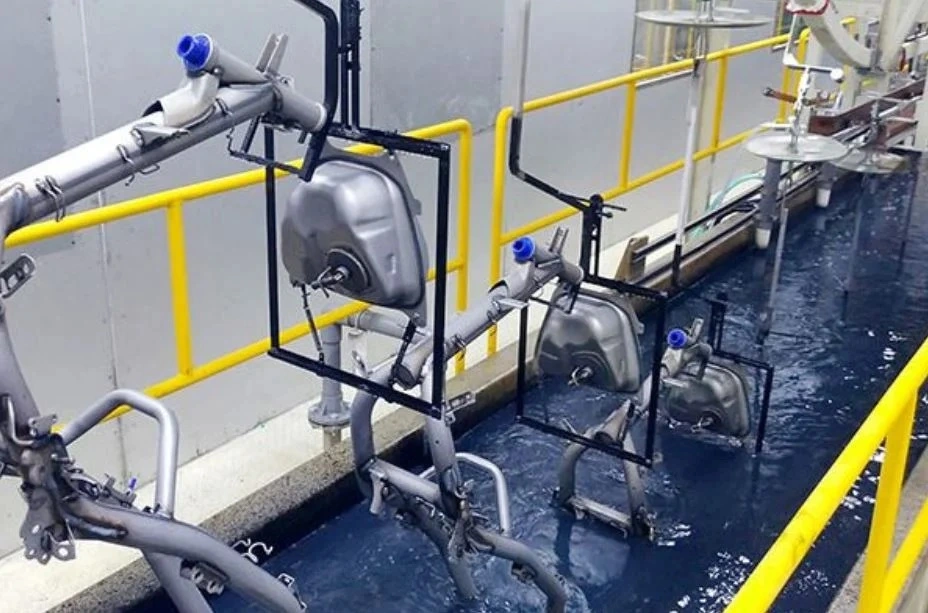
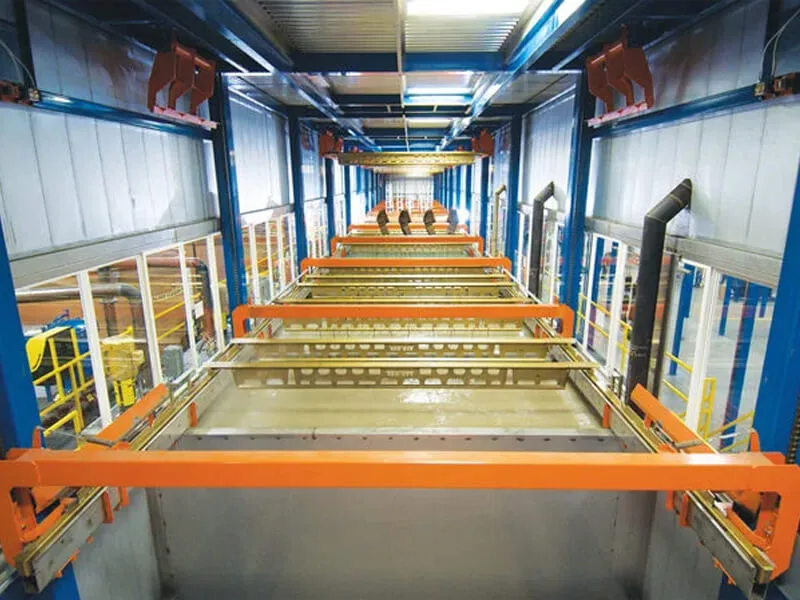
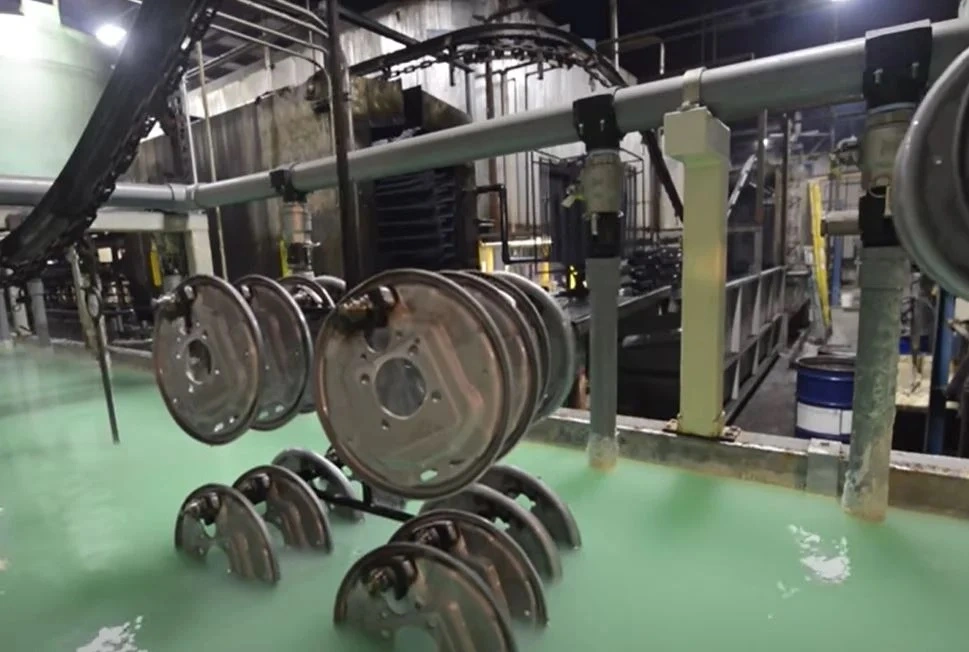
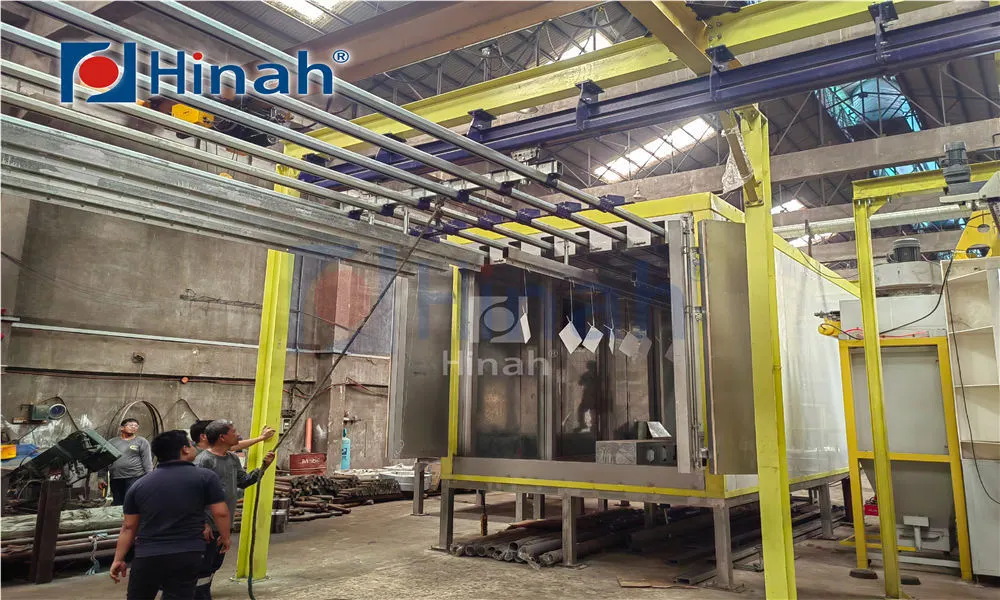
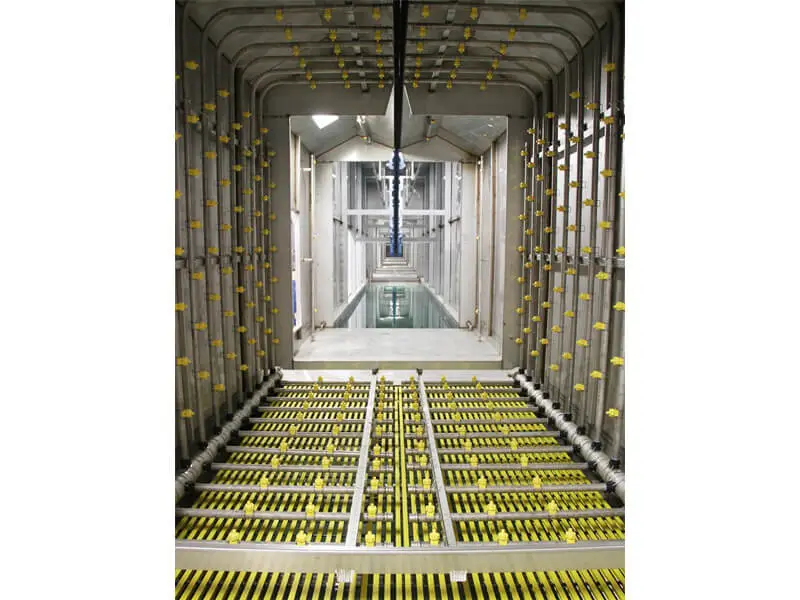
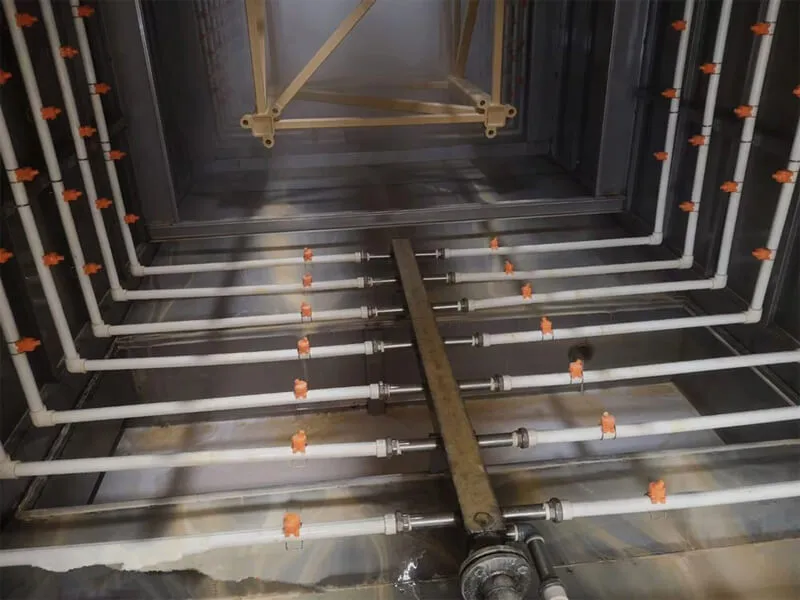
A basic line often starts with a pretreatment system. This could be a simple wash cabinet or a multi-stage phosphate system. Next is the application booth with its recovery system. Then, a curing oven. Finally, a conveyor links it all together—typically a monorail or power-and-free system.
Ask for the make, model, age, and serial number of each major component. Request photos and videos of the line under power, showing the conveyor moving and burners firing. A reputable seller like HANNA will provide this transparency upfront.
"Good working condition" means different things to different people. You need details.
Was the line in continuous production until the day it was disconnected? Or has it been sitting idle in a warehouse for two years? Idle equipment can develop issues with controls, motors, and gas valves. Ask for maintenance logs and records of any major repairs or part replacements.
Inspect for structural rust, especially in pretreatment tanks and oven interiors. Check the condition of booth filters, conveyor trolleys, and burner refractory. A line from a known manufacturer like HANNA often has better parts availability and documented service history.
This is the most critical technical fit. You must match the line’s specifications to your parts and production goals.
Look at the oven and booth interior dimensions. Will your tallest or widest part fit with adequate clearance for airflow and coating? Check the conveyor load rating per trolley. Does it support the weight of your heaviest racks?
Most importantly, verify the line speed and curing capacity. The oven’s BTU rating and heat recovery determine how fast it can cure a loaded rack. A line designed for small aluminum parts will struggle with heavy, dense steel. Ensure the line’s design capacity exceeds your peak demand.
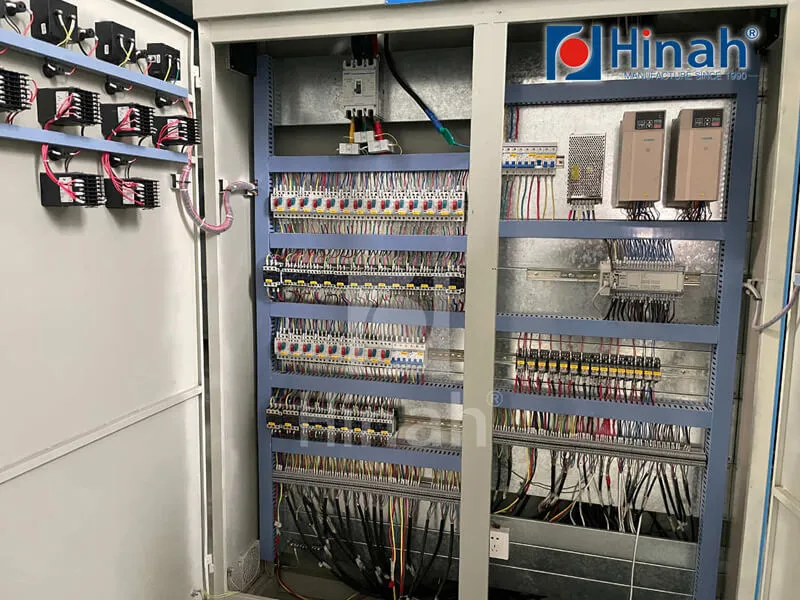
Electrical controls are the brain of the operation. Older relay-logic panels are robust but harder to troubleshoot. Modern PLC-based systems are easier to diagnose but require specific knowledge.
Ask for the control panel schematics and PLC program backups. Are spare parts still available for key components like temperature controllers or variable frequency drives (VFDs)? An outdated system with obsolete parts can lead to lengthy, expensive downtime.
The purchase price of the powder coating line for sale is just the beginning. Relocation is a major project. You need a detailed quote from a professional rigging and installation company.
Costs include disconnection, rigging, freight, and reinstallation. Significant electrical, plumbing, and gas work will be needed at your facility. The foundation may need reinforcement for the oven. Don’t forget permits and potential upgrades to your facility’s power and gas supply.
A supplier like HANNA often provides supervised installation services, ensuring the line is reassembled and commissioned correctly.
Older ovens and burners can be incredibly inefficient, burning profits in natural gas costs. Look at the oven insulation, burner technology, and heat retention design.
Modern high-velocity burners and well-sealed ovens heat up faster and maintain temperature with less energy. An inefficient line might have a low purchase price but crippling operating costs. Calculate the estimated monthly energy consumption as part of your decision.
A video of the conveyor moving is good. A video of the line running a test part through full pretreatment, coating, and cure is much better. This "test drive" verifies key functions: spray pattern in the booth, oven temperature recovery, and final film properties.
If a live test isn't possible, request a recent production video. Be wary of any seller who cannot provide visual proof of operation.
Who will you call when you have a question during startup? Are operation manuals available? Does the seller or a third-party service company know this specific line?
The value of buying from an OEM or a specialized dealer like HANNA is their ongoing support. They can provide training, recommend spare parts kits, and offer technical phone support. Buying a orphaned line with no support network is a high-risk gamble.
Finding the right powder coating line for sale requires due diligence. Treat it like a business investment, not just an equipment purchase. By asking these detailed questions, you protect yourself from costly surprises.
Focus on total cost of ownership—purchase price, relocation, installation, and operational efficiency. A well-maintained, appropriately sized line from a supported manufacturer will deliver value for years. Taking the time to investigate thoroughly is the first step to a successful coating operation.
Q1: What's the price range for a used powder coating line for sale?
A1: Prices vary wildly based on age, size, and completeness. A small, simple booth-and-oven setup might start around $30,000. A complete, modern multi-stage line with conveyor can range from $150,000 to over $500,000. Always budget an additional 30-50% for disassembly, freight, reinstallation, and facility modifications.
Q2: How long does it take to install and commission a relocated powder coating line?
A2: From disconnection to full production at your facility, plan for 8 to 16 weeks. This includes rigging, transportation, foundation work, mechanical reassembly, electrical and plumbing hookup, and finally, calibration and testing. Complex lines or permit delays can extend this timeline.
Q3: Can I mix and match components from different manufacturers?
A3: It is possible but adds complexity. Conveyor systems, ovens, and booths from different brands may require custom interfaces and controls integration. It's generally smoother to purchase a complete, integrated line from a single source like HANNA, where all components are designed to work together.
Q4: Are there warranties on used equipment?
A4: Most used equipment is sold "as-is, where-is." Some reputable dealers may offer a short-term warranty (30-90 days) on major components, but this is not standard. Your protection comes from a thorough pre-purchase inspection and condition assessment. Always clarify warranty terms in writing before purchasing.
Q5: How do I handle environmental permits for a used line?
A5: You are responsible for securing all necessary permits for your location. Even if the line was permitted elsewhere, it must meet your local air quality and environmental regulations. You may need to submit engineering data on the oven burners and booth filtration. Consulting with a local environmental engineer early in the process is crucial.