Finding the right industrial paint supplies is about far more than just buying paint. It’s a strategic decision that affects your product quality, production efficiency, compliance, and ultimately, your bottom line. Whether you operate a large fabrication shop, an automotive line, or a metal furniture factory, your coating system is a key asset.
This guide breaks down the seven essential factors you must consider when selecting both your materials and your industrial paint suppliers. Making an informed choice ensures durability, performance, and value.
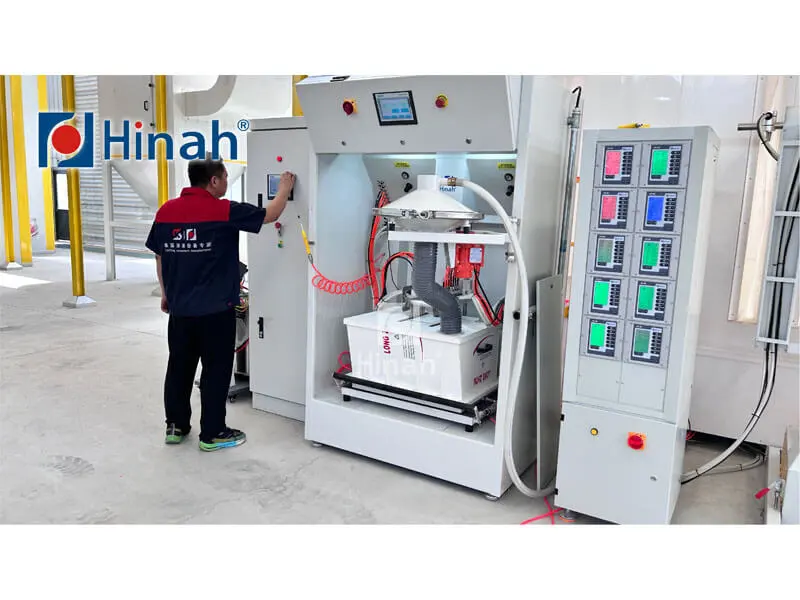
When we talk about industrial paint supplies, we refer to the complete ecosystem of products needed for a professional, high-performance finish. This goes far beyond simple cans of paint.
The category includes:
Partnering with a supplier who understands this entire ecosystem is crucial.
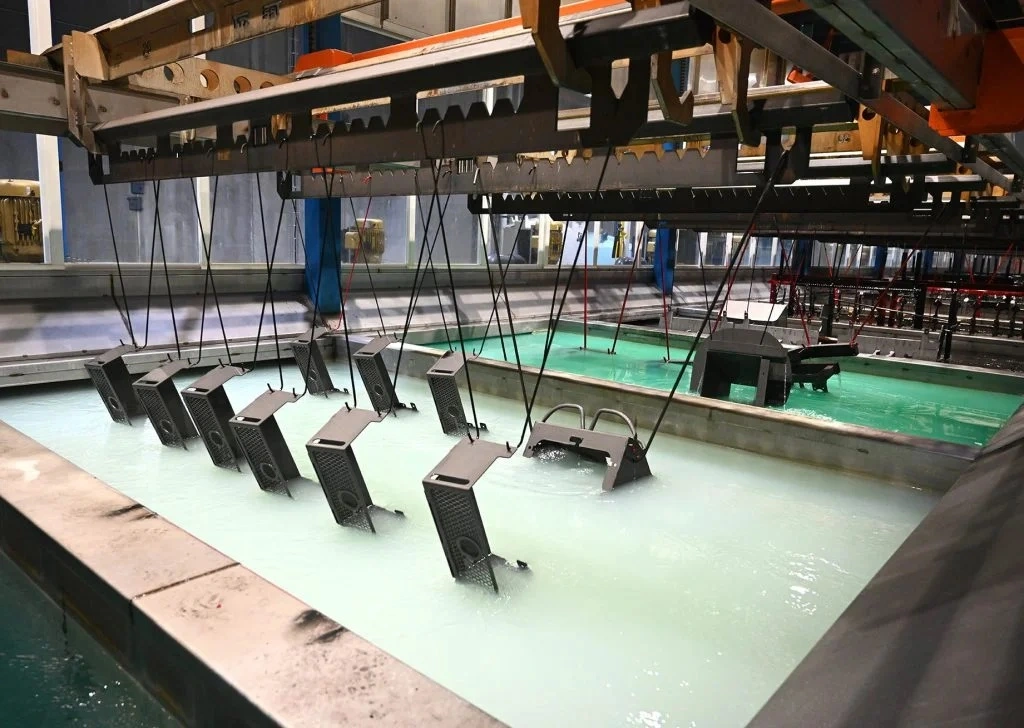
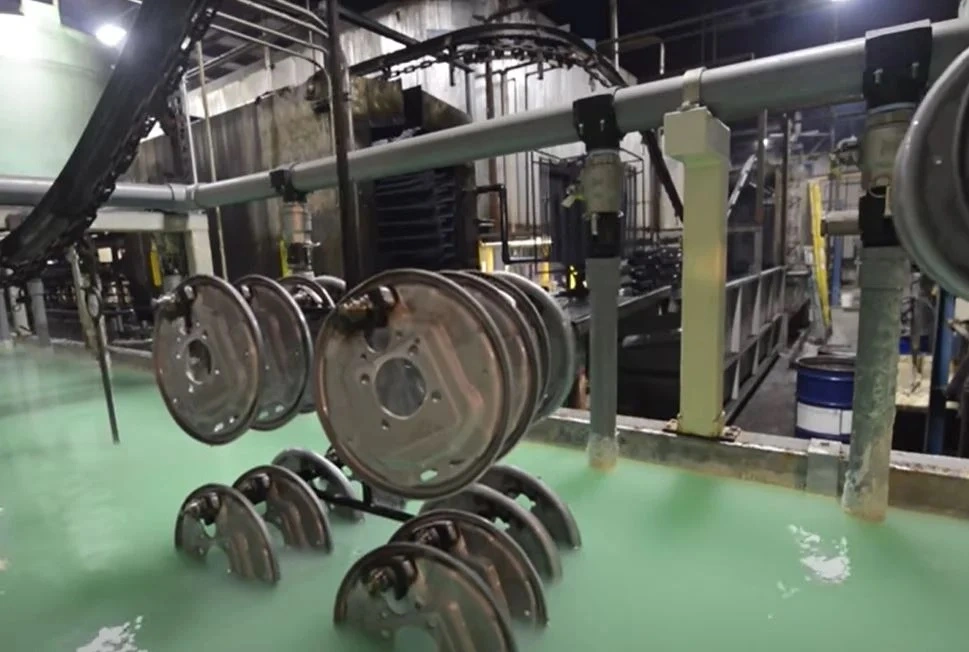
Your chosen application method dictates the type of supplies you need. This is the first and most critical filter.
A premium supplier like HANNA doesn’t just sell products; they provide application expertise tailored to your setup.
The surface being coated is king. The wrong primer or poor prep leads to adhesion failure, corrosion, and costly rework.
Your industrial paint suppliers must ask detailed questions about your substrate. They should recommend the exact sequence of cleaners, etchants, and primers for a lasting bond.
Where will the finished product live? Performance needs dictate chemistry.
There are two main types of industrial paint suppliers:
For consistent, large-scale, or specialized projects, a formulator who offers custom paint solutions provides unmatched value and consistency.
This is what separates a true partner from a simple vendor. Exceptional industrial paint suppliers offer:
HANNA builds long-term relationships by acting as an extension of your technical team, ensuring your coating process runs smoothly.
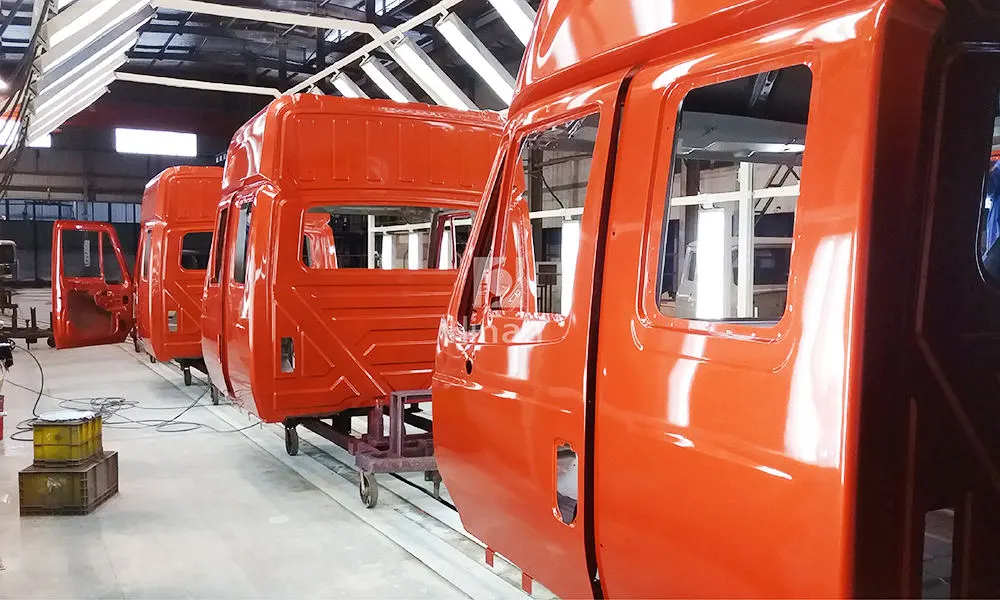
A perfect paint is useless if it doesn't arrive on time. Assess your supplier’s:
A reliable supply chain prevents costly production stoppages.
The cheapest paint per gallon is often the most expensive in the long run. Calculate TCO:
A partner like HANNA helps you analyze TCO, often showing that an investment in higher-quality industrial paint supplies yields significant operational savings.
Selecting industrial paint supplies is a multifaceted process. It requires balancing technical needs, compliance, logistics, and total cost.
By thoroughly evaluating potential industrial paint suppliers against these seven factors—prioritizing technical expertise, customization capability, and partnership support—you secure more than just materials. You gain a competitive advantage through superior finish quality, operational efficiency, and product longevity.
Invest time in choosing a supplier like HANNA, known for both comprehensive standard lines and engineered custom paint solutions, to build a foundation for lasting quality and profitability.
Q1: What’s the main difference between an industrial paint supplier and a retail paint store?
A1: Industrial paint suppliers like HANNA focus on professional, high-performance coatings for manufacturing, fabrication, and large-scale projects. They provide technical data sheets, custom formulation, bulk packaging, and expert application support. Retail stores cater to consumer-grade, off-the-shelf products for general purpose use.
Q2: How do I know if I need a custom paint formulation?
A2: Consider custom paint solutions if you have: a unique corporate color, specific chemical or abrasion resistance needs, unusual application parameters (like very fast dry times), or if you’re consistently modifying a standard product. A supplier’s technical team can assess if a standard product suffices or if customization is warranted.
Q3: Can one supplier handle all my needs for both liquid and powder coating supplies?
A3: Some full-service industrial paint suppliers, including HANNA, offer comprehensive lines covering both liquid and powder technologies. This can simplify procurement and provide unified technical support. However, it’s essential to verify their expertise and product range depth in your specific primary application method.
Q4: How can I reduce waste and cost when using industrial paints?
A4: Key strategies include: optimizing gun settings for better transfer efficiency, implementing a proper maintenance program for equipment, using high-volume/low-pressure (HVLP) or electrostatic guns, and working with your supplier to formulate coatings that apply at the required film build with minimal overspray.
Q5: What should I do if I have a coating failure or application problem?
A5: Immediately contact your industrial paint supplier’s technical service department. Be prepared to share details: photos, descriptions of the failure (e.g., peeling, blistering), information on the substrate and prep, application conditions, and product batch numbers. A good supplier will rapidly help diagnose the root cause and recommend corrective actions.