Finding the right industrial paint supplies is a fundamental task that goes far beyond ordering cans of paint. It directly impacts your production schedule, product durability, and your bottom line. The wrong choice can lead to rejects, rework, and costly downtime.
For professionals in powder coating, liquid finishing, and large-scale fabrication, these supplies are the lifeblood of the operation. This isn't about a simple purchase. It's about sourcing a complete, reliable system of materials that perform predictably under pressure.
The challenge is navigating a vast market. This article outlines the key factors to consider when selecting your industrial paint supplies to ensure reliability, efficiency, and a flawless finish every time.
The first decision point is technical. Your substrate and performance requirements dictate your material choice.
For metals, powder coatings offer exceptional durability and environmental benefits. Epoxy powders provide chemical resistance. Polyesters offer excellent weatherability for outdoor applications. The specific resin chemistry must be chosen for the part's end-use.
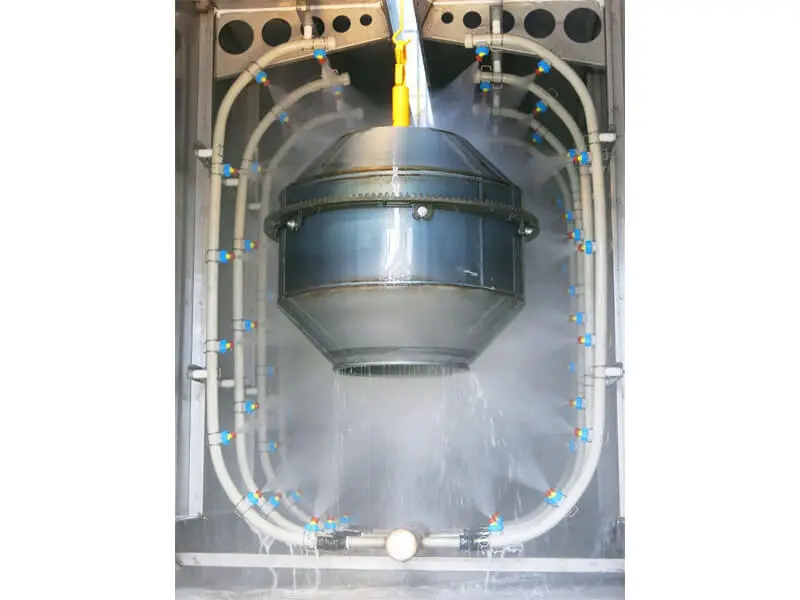
Surface preparation chemicals are a critical part of your industrial paint supplies. The quality of your pretreatment—whether iron phosphate, zinc phosphate, or zirconium-based—determines coating adhesion and corrosion resistance. Never compromise here.
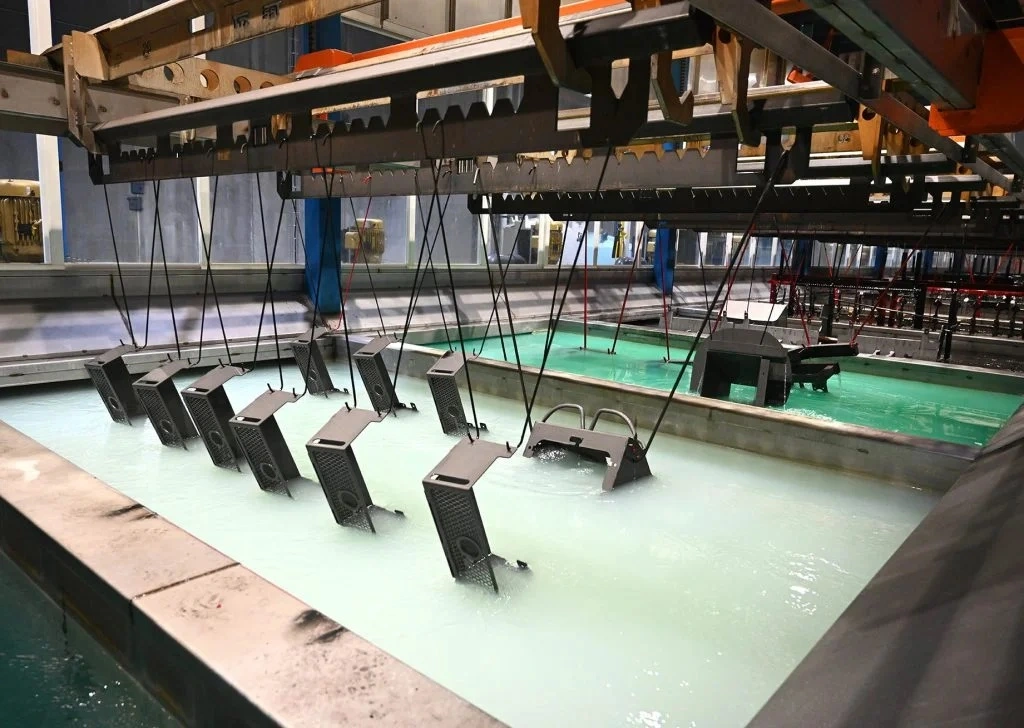
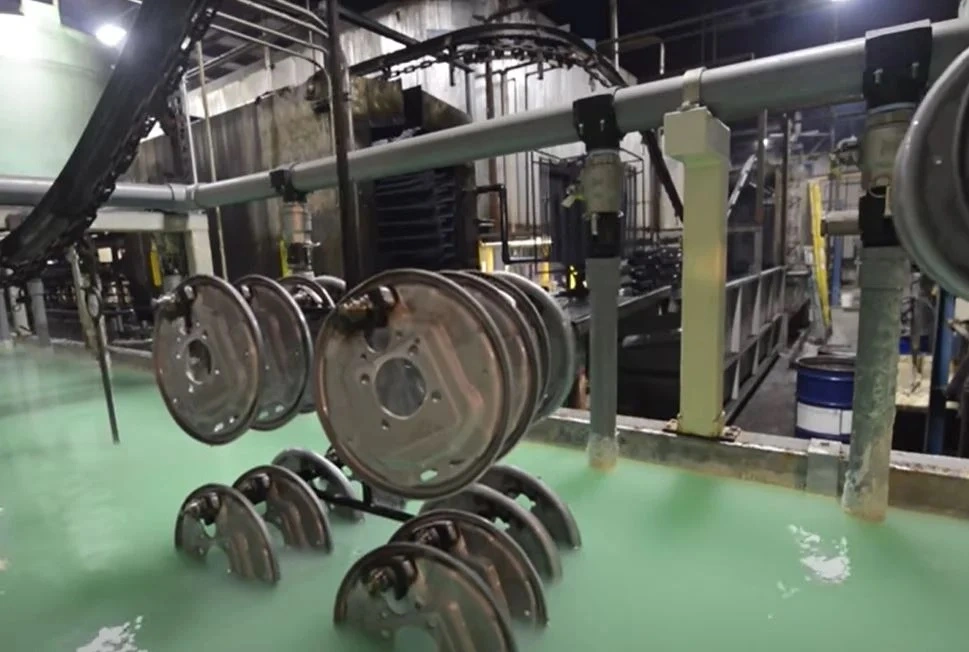
Primers and sealers form the unseen foundation. For challenging substrates like aluminum or galvanized steel, a correct primer is non-negotiable. It ensures the topcoat performs as designed.
The invoice price for paint or powder is just one part of the total cost equation. Smart procurement looks at applied cost.
Transfer efficiency is paramount. How much of the material actually adheres to the part? High-efficiency powders and advanced application equipment from partners like HANNA maximize this, reducing waste.
Consider coverage rates. A higher-quality powder with superior hiding power may cost more per kilo but require a thinner film build. You could coat more parts with less material, lowering your cost per piece.
Factor in labor and rework. Supplies that are easy to apply consistently, with wide process windows, reduce operator error and rejects. This saves significant time and money.
In industrial production, consistency is everything. Batch-to-batch variation in color, viscosity, or chemical composition is unacceptable.
Your supplier must guarantee color matching and performance consistency. Established brands like HANNA invest heavily in quality control to ensure Lot A is identical to Lot B, even months apart.
Evaluate their logistics. Can they deliver the volumes you need on your schedule? Do they have robust inventory management to prevent stock-outs that could halt your line? A reliable supplier is a strategic partner.
Look for technical documentation. Consistent industrial paint supplies come with detailed, accurate Technical Data Sheets (TDS) and Safety Data Sheets (SDS). These documents are essential for process control and regulatory compliance.
The best suppliers don't just sell products; they provide solutions. When a finish defect appears, you need expert diagnostics.
Does your supplier offer technical field support? Can their chemists or engineers help troubleshoot application issues, whether it's cratering, poor adhesion, or orange peel?
A true partner will conduct line audits. They analyze your entire process—pretreatment, application, curing—to recommend optimizations. This holistic view, offered by HANNA's application specialists, often uncovers savings and quality improvements.
Access to training is invaluable. Supplier-led training on proper material handling, storage, and application techniques elevates your team's skill level, reducing errors and waste.
Your new industrial paint supplies must work seamlessly with your current system. Compatibility issues are costly.
If you're using powder, the new powder must fluidize correctly in your existing feed hoppers and pump smoothly through your guns. Its electrostatic characteristics must match your equipment's charging technology.
For liquid systems, viscosity and pot life must align with your spray guns, pumps, and booth conditions. A mismatch can lead to constant equipment adjustments and inconsistent results.
Consult with your equipment provider. Companies like HANNA, who understand both equipment and materials, can advise on the optimal supplies for your specific setup, ensuring perfect synergy.
Industrial coatings are regulated materials. Your choice of industrial paint supplies must keep your facility safe and compliant.
VOC (Volatile Organic Compound) content is a major regulatory focus. Ensure your liquid coatings comply with local air quality regulations. Powder coatings, with near-zero VOCs, are often the simpler compliance path.
Proper storage and handling are safety issues. Supplies must be stored as per SDS recommendations. Flammable materials require appropriate safety cabinets and facility classifications.
Waste disposal is a cost and liability. Suppliers who offer take-back programs for overspray powder or expired material add significant value. They help you manage the entire lifecycle responsibly.
Selecting your industrial paint supplies is a multifaceted decision with real operational consequences. It balances technical specifications, total applied cost, and the reliability of your supply chain.
By choosing a partner that offers consistent quality, deep technical expertise, and a commitment to your process success, you secure more than materials. You gain a predictable, efficient, and high-quality finishing operation.
Brands like HANNA exemplify this integrated approach, providing not just premium supplies, but the assurance and support that modern industrial manufacturing requires.
Q1: What is the typical shelf life for industrial powder coatings, and how should they be stored?
A1: Unopened, most thermosetting powder coatings have a shelf life of 6-12 months from manufacture. They must be stored in a cool, dry place (ideally below 25°C/77°F), away from direct sunlight and moisture in their original, sealed containers. Always check the manufacturer's TDS for the specific product.
Q2: Can I switch between different brands of powder in the same recovery system?
A2: It is strongly discouraged without a thorough system purge. Mixing powder chemistries or even different colors from different brands can cause contamination, gel particles, and finish defects. Always consult your equipment and material suppliers, like HANNA, for a proper cleaning procedure before switching.
Q3: How do I determine the right film thickness for my application, and which supplies affect this?
A3: The required film thickness is specified by the coating manufacturer based on the product's performance data (corrosion resistance, weathering, etc.). The type of powder, its specific gravity, and the application equipment settings (kV, air pressure) all influence the final film build. Your supplier should provide a target range.
Q4: What is a "minimum order quantity" (MOQ) for custom color industrial paints, and why does it exist?
A4: MOQs for custom colors are standard, often ranging from 200 kg to 500 kg or more for powder. This exists because creating a custom color batch involves cleaning entire production lines (mixers, extruders, mills) to prevent contamination, which is a time and material-intensive process. The MOQ makes it economically viable for the supplier.
Q5: Are there industry certifications I should look for in my paint supplies supplier?
A5: Yes. Key certifications include ISO 9001 for quality management systems. For specific industries, look for coatings qualified under standards like Qualicoat (for architectural aluminum), AAMA (American Architectural Manufacturers Association), or customer-specific approvals from major manufacturers in automotive or appliance sectors.