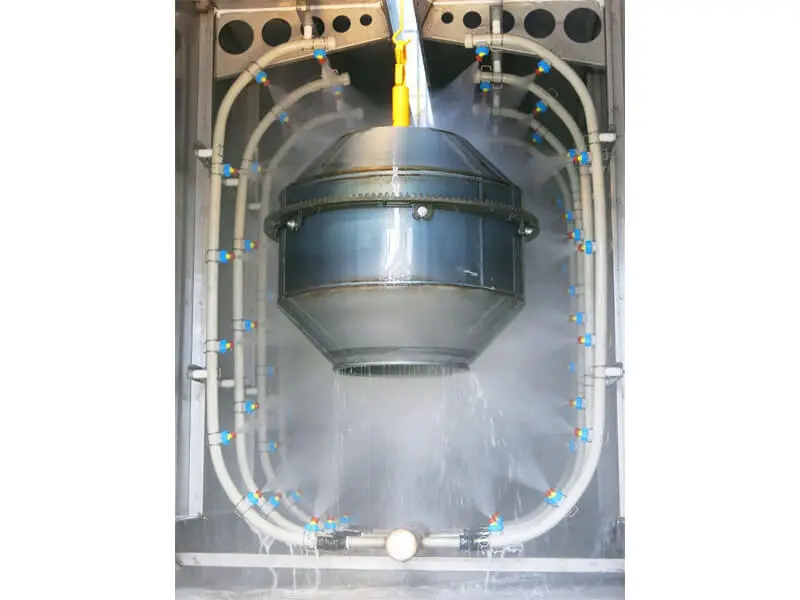
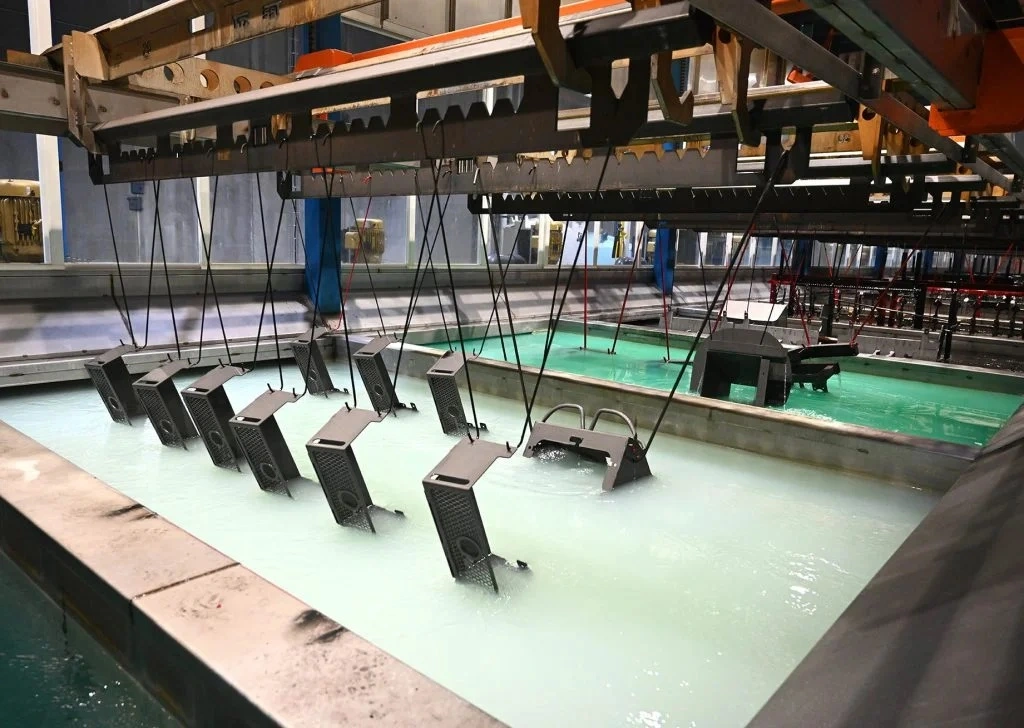
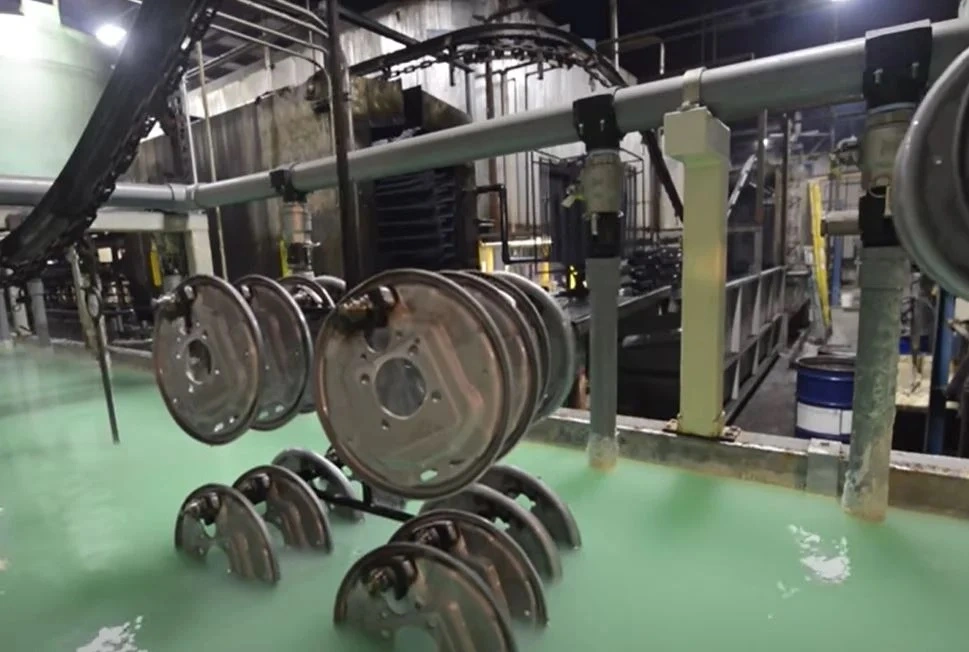
Moving to larger coated products changes everything in your finishing line. The challenges of curing small parts don't prepare you for the complexities of handling truck frames, industrial machinery, or architectural steelwork. At this scale, the choice of a big powder coating oven becomes the most critical factor for your quality and profitability. A standard oven simply won't deliver. You need a system engineered for mass, volume, and consistent results across a vast workspace. This article outlines the practical, non-negotiable considerations for investing in a big powder coating oven that will serve as a reliable asset, not a costly bottleneck.
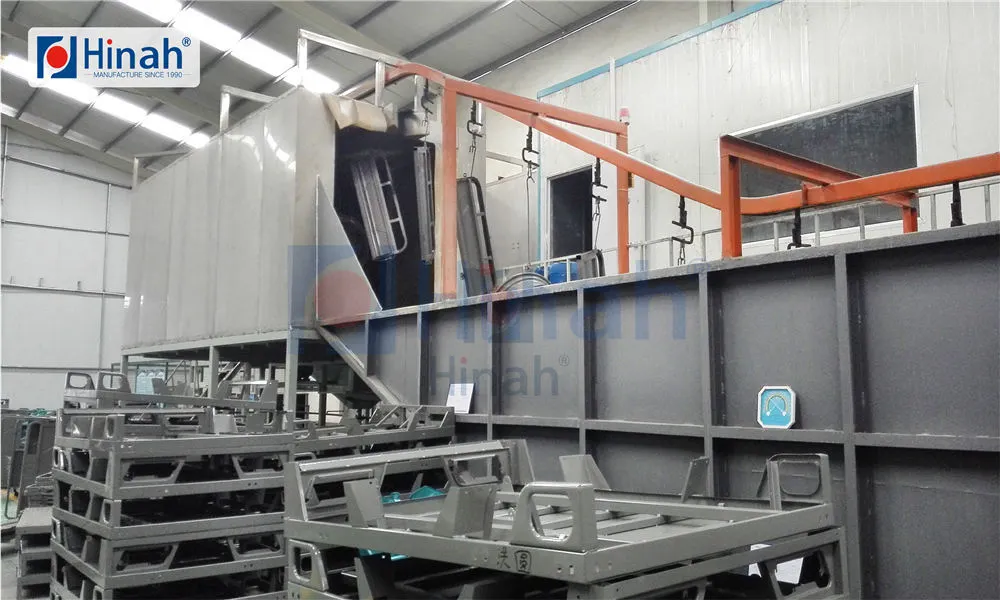
Size is relative. In industrial terms, a big powder coating oven is defined by its capacity and mission. We're typically discussing walk-in or drive-in configurations, or extended conveyor tunnels, with internal dimensions measured in meters. The focus shifts from simply heating to achieving precise thermal uniformity across a large volume while managing massive energy input efficiently. It's built to cure heavy, dense, or long parts that smaller batch ovens cannot accommodate.
For a big powder coating oven, the technology debate is clear. Forced-air convection is the dominant choice. It uses powerful fans to circulate heated air, ensuring even heat distribution around complex, three-dimensional parts. This is essential for large fabrications with varying thicknesses.
Infrared heating can be used selectively or in hybrid systems. While fast, pure infrared often struggles in a big powder coating oven application because large parts create shadows and block line-of-sight radiation, leading to uneven curing. The engineering priority is moving and controlling huge volumes of hot air effectively.
Demand for a big powder coating oven comes from specific sectors. Heavy equipment manufacturers for agriculture, construction, and mining use them for tractor cabs, excavator arms, and structural frames. The transportation industry cures truck trailers, bus frames, and rail components. Architectural and building product companies finish large aluminum curtain wall panels and steel beams. Each application stresses the oven differently, requiring careful design of internal airflow and heat retention.
Choosing a big powder coating oven is a major project. Follow this sequence.
Define Your Maximum Load. Don't just measure the part. Include the racking or carriage system. Create a detailed profile of your largest, heaviest, and most dense items.
Calculate Required Throughput. Determine how many kilograms or square meters you need to cure per hour. This dictates the oven's heat recovery speed and fuel capacity.
Audit Your Facility. Check floor strength, ceiling height, and utility access. A big powder coating oven needs substantial natural gas supply, electrical power for controls and motors, and robust exhaust venting.
Demand Performance Data. The key spec is temperature uniformity (e.g., ±5°C across the entire workspace at operating temperature). Request validation reports from the manufacturer.
Plan for Integration. Consider how parts move in and out. Coordinate with conveyor, monorail, or transfer cart systems to ensure a seamless flow.
The capital cost of the oven itself is one line item. Significant ancillary costs include site preparation (reinforced concrete, utility runs), professional installation, and insulation. The dominant ongoing cost is energy. A well-designed big powder coating oven from a brand like HANNA uses high-efficiency burners, superior insulation, and heat recovery to minimize gas consumption. Always evaluate the Total Cost of Ownership over 5-10 years, factoring in maintenance access and expected component lifespan.
When evaluating a big powder coating oven, scrutinize these features.
Robust Insulation: Look for minimum 150-200mm thick, high-density mineral wool panels. This contains heat, improves safety, and slashes energy costs.
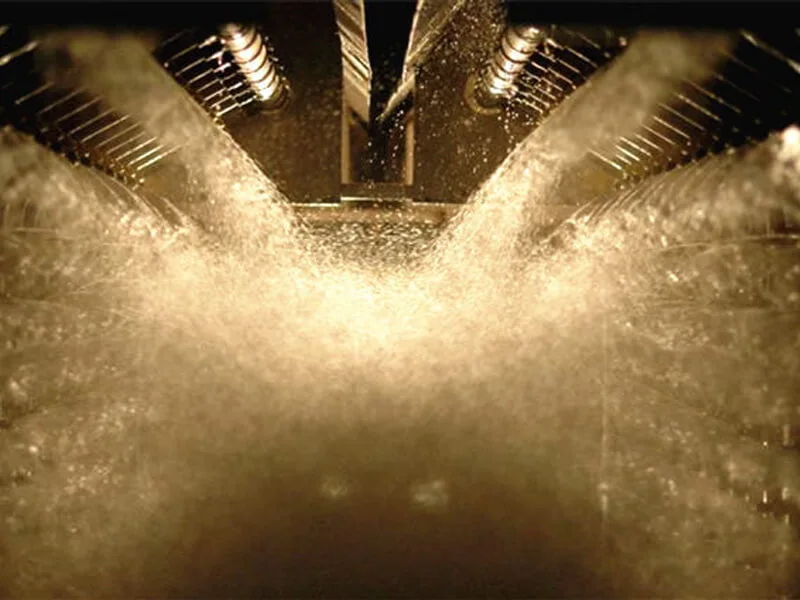
Industrial Airflow Design: Large, correctly positioned fans with adjustable baffles are needed to create a consistent air curtain around parts. Stagnant air is the enemy of cure.
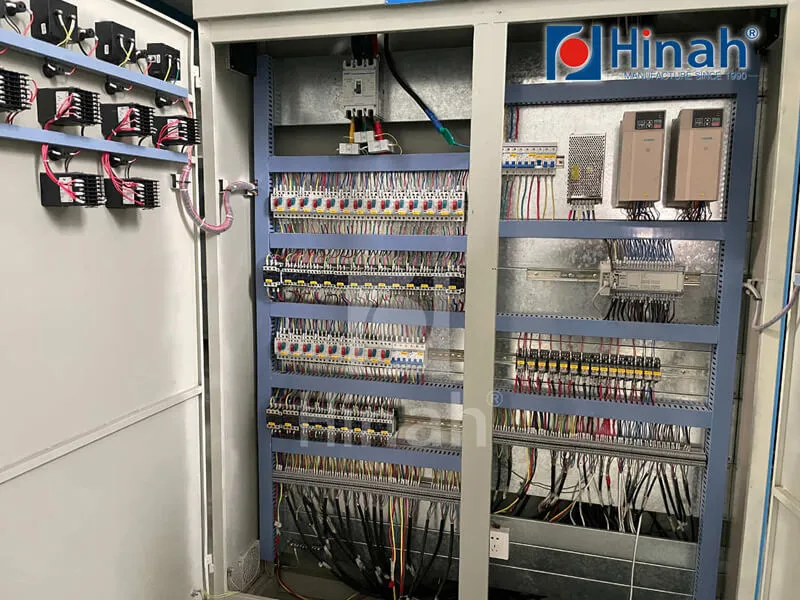
Advanced Control System: A PLC-based touchscreen system is standard. It should store multiple cure recipes, provide real-time temperature graphs, and offer diagnostic alerts.
Safety and Compliance: Automated purge cycles, gas train safety shutoffs, overtemperature protection, and proper ventilation monitoring are mandatory for safe operation of such a large thermal system.
Building a reliable big powder coating oven requires specialized engineering. Companies like HANNA don't just assemble panels; they design thermal systems. Their process often involves Computational Fluid Dynamics (CFD) modeling to simulate airflow and heat distribution for your specific parts before construction begins. This scientific approach guarantees performance. Their focus on durable materials and industrial-grade components results in ovens built for decades of service in harsh production environments, making them a preferred partner for large-scale operations.
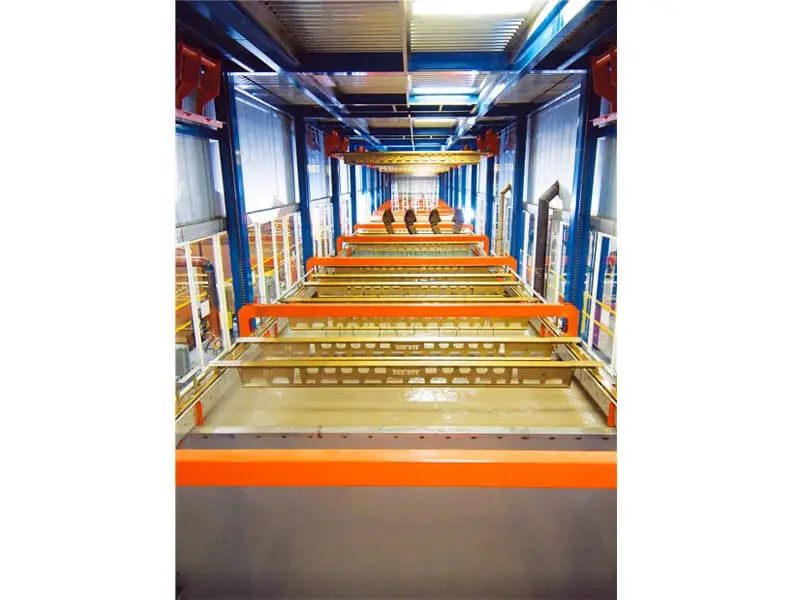
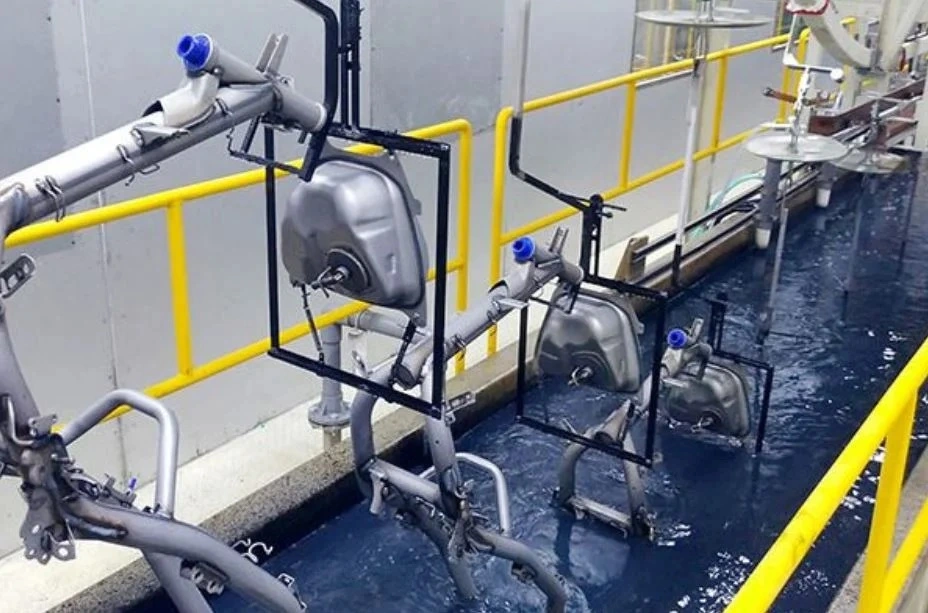
A big powder coating oven is the centerpiece of a system. Successful integration is crucial. The oven design must align with your material handling method—whether it's an overhead power & free conveyor, a floor conveyor, or batch carts. Entrance and exit vestibules with air seals prevent heat escape. The oven's control system should ideally interface with the line controls for synchronized operation. Poor planning here creates inefficiency and becomes a daily operational frustration.
Given the substantial energy consumption, efficiency is a direct driver of operating cost. Modern large ovens incorporate key features. Heat exchangers can capture thermal energy from the exhaust stream to preheat incoming fresh air. High-turndown ratio burners precisely match fuel input to the oven's immediate demand. Premium insulation, as mentioned, is the first and most important efficiency measure. Investing in these technologies, a hallmark of HANNA's design philosophy, provides a rapid return on investment through lower utility bills.
Proactive maintenance ensures uptime and safety. Daily visual checks and listening for unusual fan noises are simple but effective. Weekly tasks include cleaning intake air filters to maintain airflow volume. Monthly, inspect burner assemblies and verify the calibration of key temperature sensors. An annual full service by qualified technicians is essential. This should include checking internal structure, verifying all safety interlocks, and cleaning the heat exchanger surfaces. Detailed logs help predict and prevent failures.
To conclude, specifying a big powder coating oven is a complex but vital project that demands a methodical approach. Success hinges on accurately defining your needs, understanding the total costs involved, and partnering with a manufacturer that combines engineering rigor with practical build quality. By prioritizing thermal uniformity, energy-smart design, and durable construction—principles embedded in HANNA's equipment—you secure a system that delivers consistent finish quality and becomes a dependable pillar of your production capacity for years to come.
Q1: How is the heating capacity of a big powder coating oven determined?
A1: Capacity is calculated based on the total mass of metal and racks to be heated per hour, the required temperature rise, and the allowable heat-up time. Engineers use a specific heat formula to determine the necessary BTU/hr or kW output. Manufacturers like HANNA perform this calculation as a standard part of the quotation process.
Q2: Can a big powder coating oven be expanded later if our part size increases?
A2: This depends entirely on the initial design. Modular ovens can sometimes be extended in length. However, increasing width or height is usually not feasible. Discussing future growth plans during the initial design phase with your supplier is crucial. They can sometimes design a system with expansion in mind.
Q3: What are the most common maintenance issues with large industrial ovens?
A3: Common issues include worn or dirty fan bearings affecting airflow, clogged filters, calibration drift in temperature sensors, and degradation of door seals or insulation. A well-built oven from a quality manufacturer minimizes these issues through robust component selection.
Q4: How long does it typically take to install and commission a large walk-in oven?
A4: After site preparation, the physical installation of a pre-fabricated oven can take 1-3 weeks. Commissioning—heating the oven empty, verifying temperature uniformity, and testing safety systems—adds several more days. The entire process from order to full production can take 3-6 months.
Q5: Is natural gas always the best fuel choice for a large oven?
A5: Natural gas is typically the most cost-effective and efficient fuel for high-demand thermal systems due to its energy density and rapid heat transfer. Propane is an alternative. Electric heating can be used but often has prohibitively high operating costs for an oven of this scale and duty cycle.
Q6: What kind of temperature uniformity should I expect across a large workspace?
A6: For a quality industrial big powder coating oven, you should specify and expect a uniformity of ±5°C to ±10°C (±9°F to ±18°F) across the entire usable workspace when operating at your cure temperature. Reputable manufacturers like HANNA will provide a performance test report to certify this.