
Thinking about setting up a new powder coating line or upgrading your existing one? The total powder coating plant price is often the first and biggest question. It’s not a simple number you can find on a price list.
The final investment varies dramatically. It depends entirely on your production goals, part size, and quality requirements. A small booth for hobbyists is one thing. A fully automated, high-volume industrial line is another.
This breakdown will help you understand what you’re really paying for. We’ll look at the core components that shape your system’s cost. As a leader in turnkey solutions, HANNA designs systems that balance performance with a sensible powder coating plant price.
Your plant is more than just a spray booth. It’s an integrated system. Each part contributes to the final powder coating plant price. Understanding these parts helps you make informed decisions.
The main cost centers are:
Let’s explore each area.
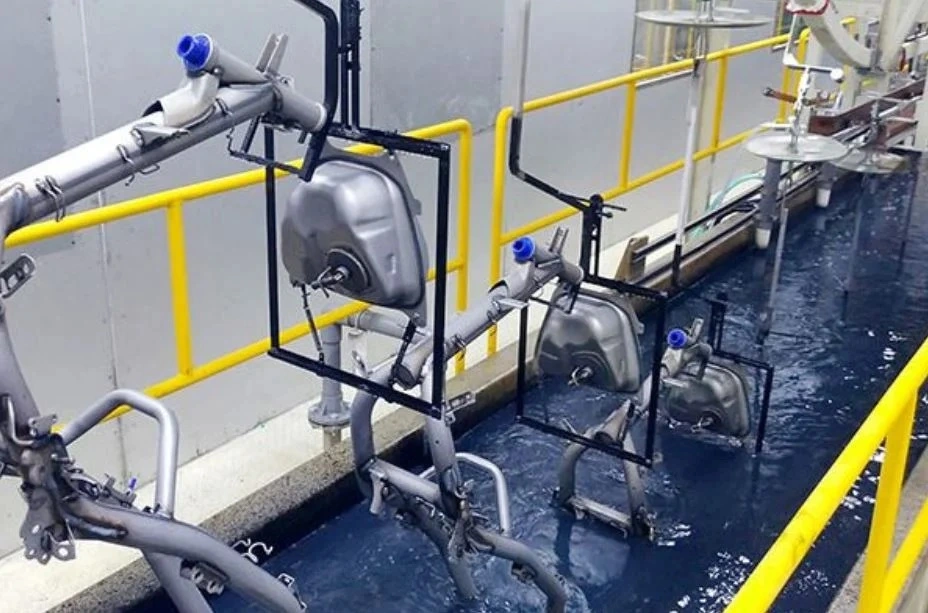
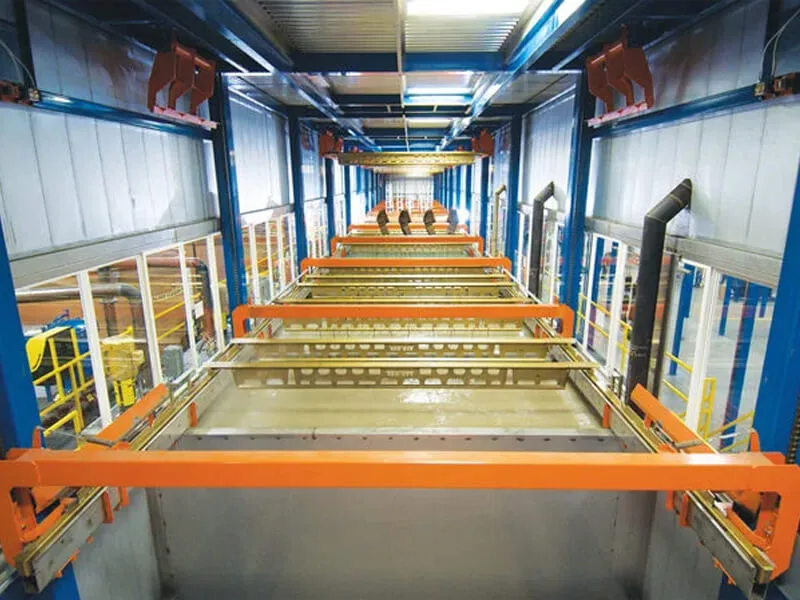
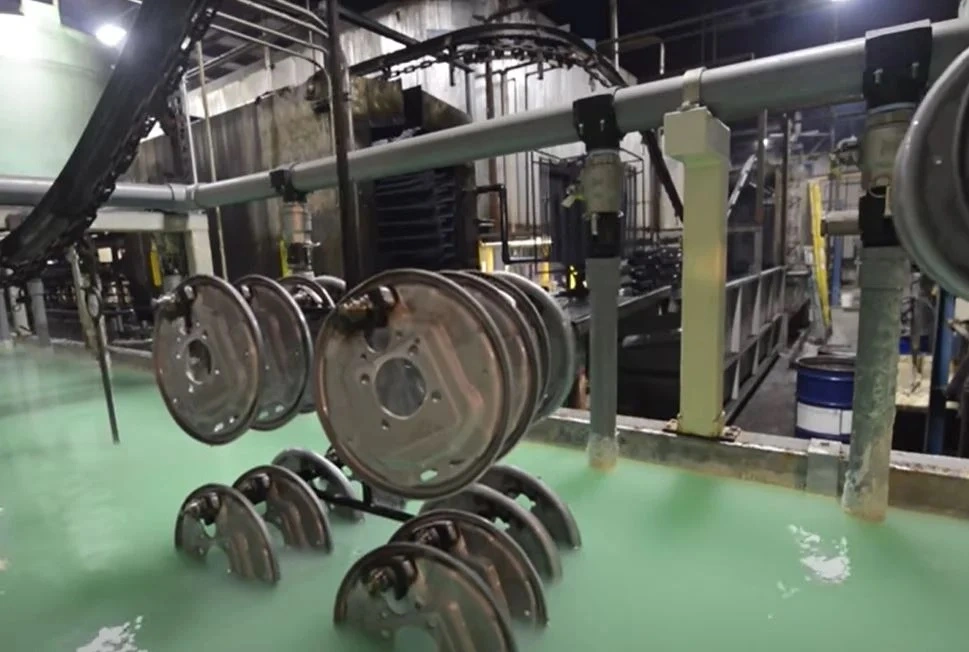
You cannot skip proper pre-treatment. This stage cleans and prepares the metal surface. It is crucial for coating adhesion and longevity. A poor pre-treatment will ruin the performance of an expensive coating.
A basic system might have a 5-stage washer: Clean, Rinse, Phosphate, Rinse, Seal. A more advanced line might include zinc phosphating for superior corrosion resistance.
The size, number of stages, heating method, and filtration all affect cost. Larger parts need bigger tanks and more chemistry, increasing the powder coating plant price significantly.
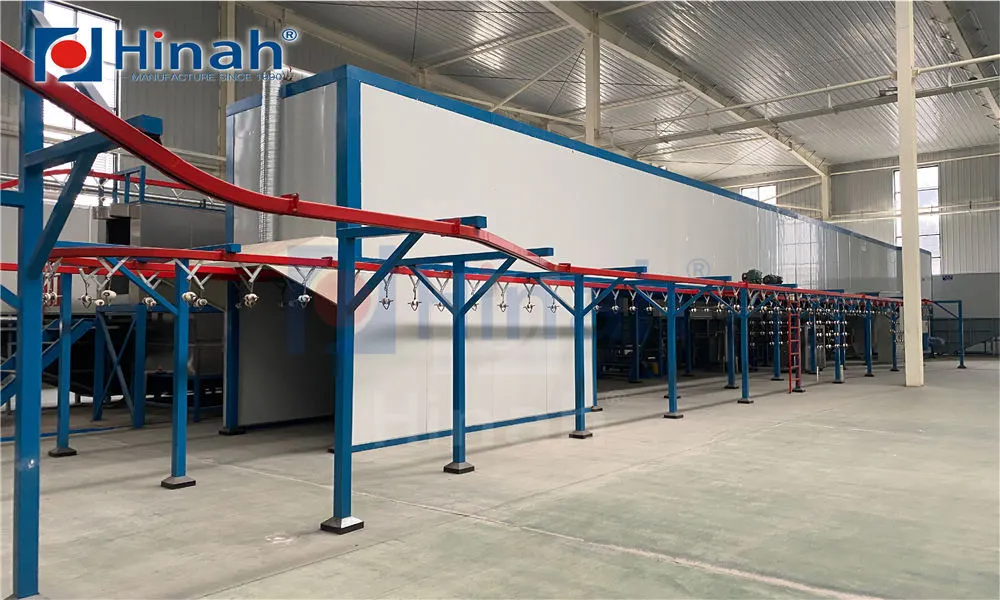
This is often the single most expensive component. The oven must reliably bring parts to the precise temperature specified by the powder manufacturer.
Key cost factors include:
Choosing the right oven technology is a major part of controlling your long-term operating costs and initial powder coating plant price.
This is where the powder is applied. The choice here drastically impacts efficiency, finish quality, and material costs.
A manual booth with a single gun and a basic recovery filter is a lower-cost entry point. For higher volume, an automatic system with reciprocating gun movers improves consistency.
Top-tier systems feature complete powder coating robot cells, like those from HANNA. These offer maximum transfer efficiency and consistency. The recovery system (cyclones and filters) must be sized to match your application speed to maintain a clean booth environment.
How do parts move through the system? This is material handling. It defines your plant’s capacity and labor needs.
Options range from simple overhead monorail conveyors to power & free systems and fully automated shuttle conveyors. A more sophisticated handling system increases the initial powder coating plant price but can slash labor costs and boost throughput.
The choice depends on part mix, weight, and desired automation level.
Automation level is the biggest variable in powder coating plant price.
The purchase price is just the beginning. Smart buyers calculate total cost of ownership.
Factor in:
Choosing a supplier based only on the lowest quoted powder coating plant price is risky. Hidden costs from poor design emerge later as low throughput, high reject rates, and excessive energy bills.
A partner like HANNA provides a complete analysis. We design for your specific parts and output goals. Our focus is on delivering a system with the optimal powder coating plant price for your return on investment, not just the lowest initial cost.
We ensure all components work together seamlessly. This integration prevents bottlenecks and ensures you get the production capacity you paid for.
To get a meaningful quote, suppliers need clear data. Prepare this information:
With this, a company like HANNA can design a solution that fits both your technical needs and budget.
The powder coating plant price is a significant investment. However, viewing it as a strategic capital expense for improving product quality and manufacturing efficiency is key.
By understanding the cost factors—from pre-treatment to automation—you can make confident decisions. Prioritize system integration and total cost of ownership over the lowest bid.
For a system engineered to perform reliably for years, request a detailed consultation with HANNA. Let's discuss your project and provide a transparent, comprehensive quote tailored to your operations.
Q1: What is the typical price range for a complete industrial powder coating plant?
A1: There is no "typical" price, as it varies too widely. A basic, manual standalone booth can start around $20,000. A mid-volume, automated line with pre-treatment and oven often ranges from $150,000 to $500,000. Large, fully robotic turnkey systems from suppliers like HANNA can exceed $1 million, depending on complexity and size.
Q2: What is the single most expensive component in a coating line?
A2: The curing oven is usually the most costly single item. Its size, insulation, heating technology, and control system are major cost drivers. For automated lines, the material handling conveyor system can also represent a very large portion of the total powder coating plant price.
Q3: How much does installation and commissioning add to the cost?
A3: Installation, electrical, plumbing, and gas fitting can add 15% to 30% on top of the equipment cost. This depends on site preparedness. A turnkey provider like HANNA typically includes detailed installation planning and on-site commissioning in their proposal to avoid unexpected expenses.
Q4: Can I save money by sourcing components from different suppliers?
A4: While it might seem cheaper, this often leads to higher costs later. Integration problems, warranty conflicts, and system bottlenecks are common. A single-source supplier ensures responsibility for the entire system's performance and can optimize the design, often providing better long-term value.
Q5: How long does it usually take to see a return on investment (ROI) on a new plant?
A5: ROI depends on your current costs and new system's efficiency. Factors like reduced labor, higher throughput, and especially powder savings (from high-transfer efficiency guns or robots) accelerate payback. Many well-planned industrial lines see an ROI within 2 to 4 years through significant operational savings and increased capacity.