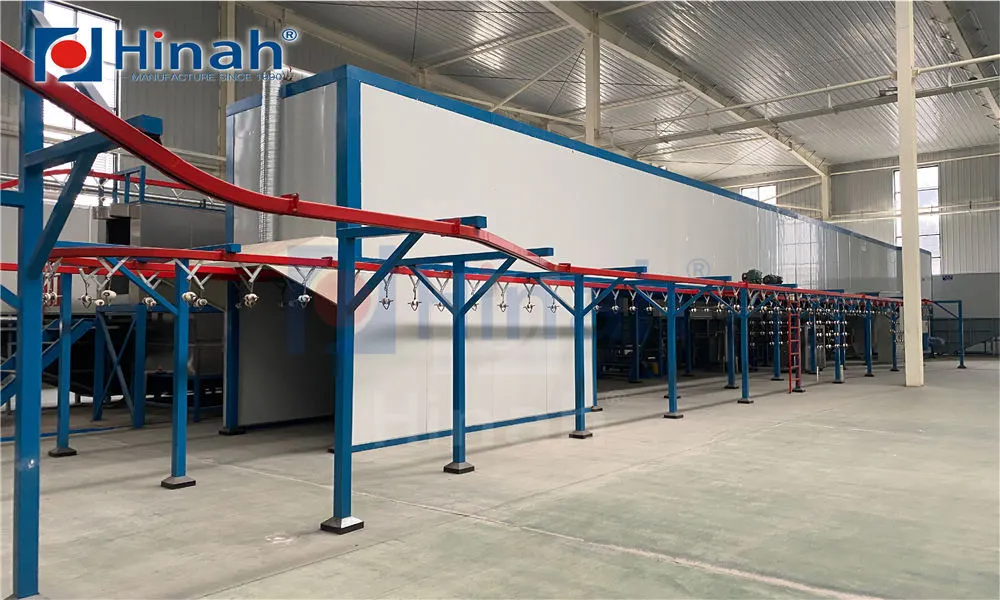
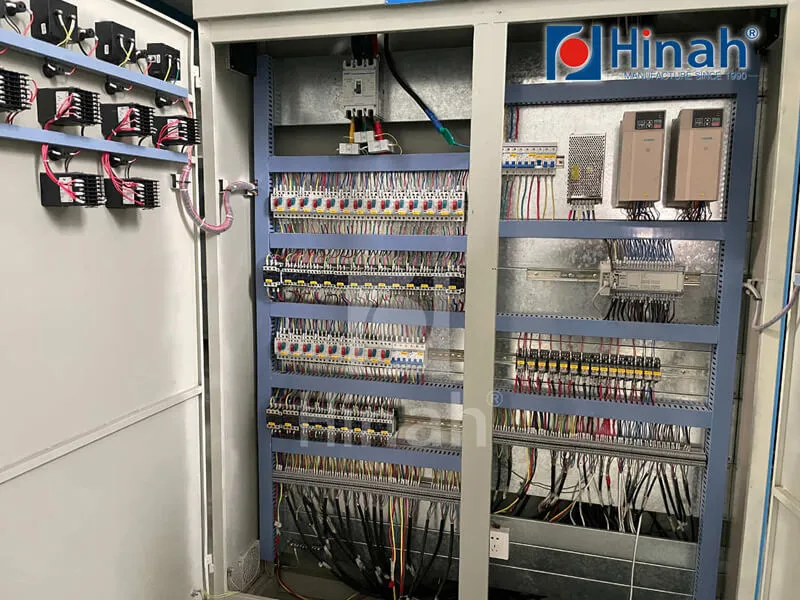

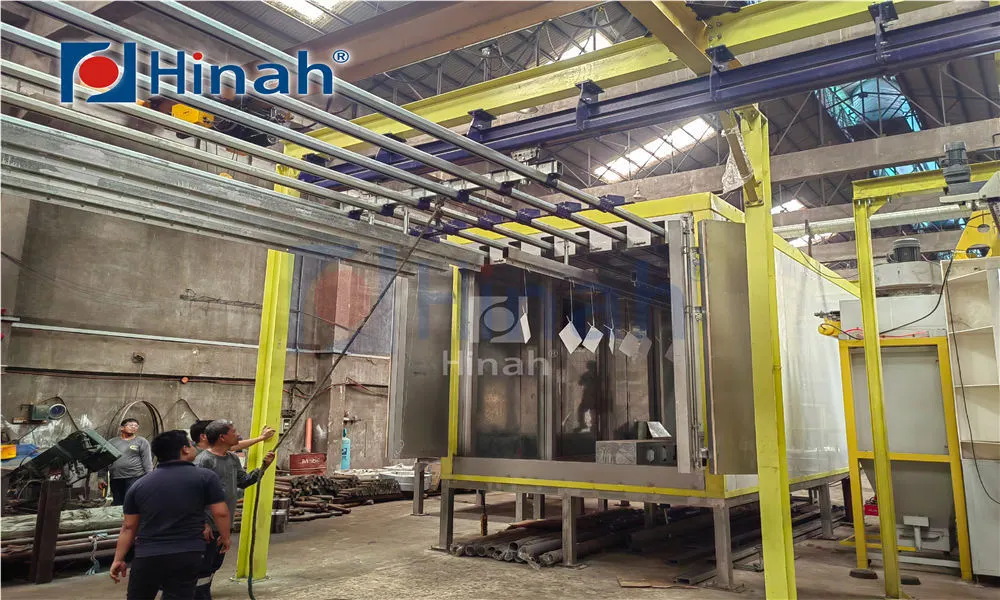
If you are considering bringing your finishing process in-house or upgrading an existing line, you are looking at a powder coating plant. This isn't just a single machine; it's a complete, integrated production system. The right design directly determines your finish quality, operational cost, and production capacity.
A poorly laid-out system becomes a constant source of headaches: bottlenecks, inconsistent quality, and shocking utility bills. Conversely, a professionally engineered powder coating plant is a strategic asset. It delivers reliable, high-quality finishes while minimizing waste and labor costs.
Understanding the key components and their interaction is the first step to making a smart investment. This is where expertise from a company like HANNA makes the difference between a mere collection of equipment and a cohesive, high-performance production line.
A complete system is a sequence of specialized stages. Each stage must perform flawlessly for the entire process to succeed. Missing or undersizing any part compromises the final product.
Think of it as a chain. The strength of the entire chain depends on each link. In coating, a failure in pre-treatment cannot be fixed by a perfect spray booth. A weak link anywhere means rejected parts and wasted time.
Here are the core links in that chain.
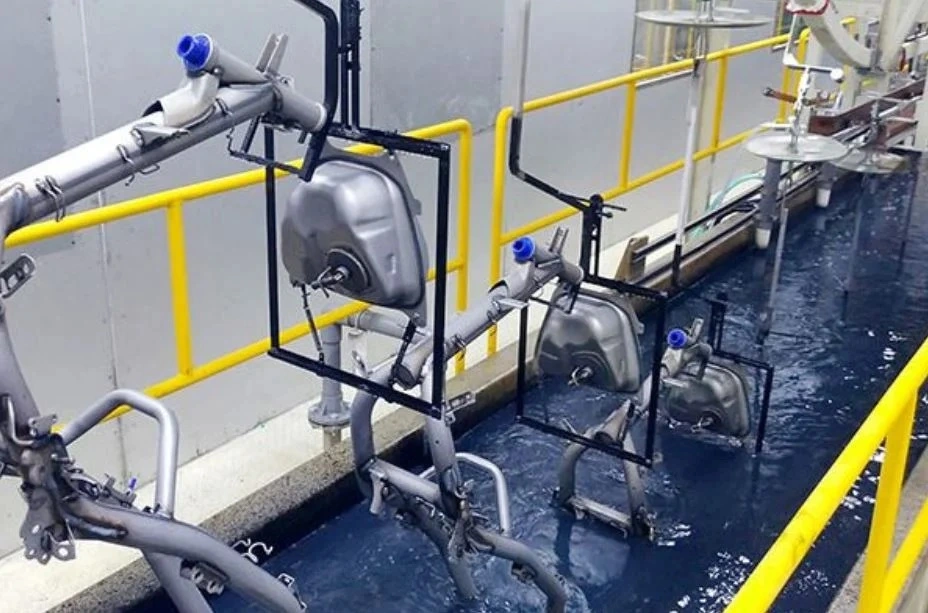
This is arguably the most critical stage. The goal is to clean and prepare the metal surface. Proper adhesion and long-term corrosion resistance start here. Skipping or cheaping out on pre-treatment guarantees future failures.
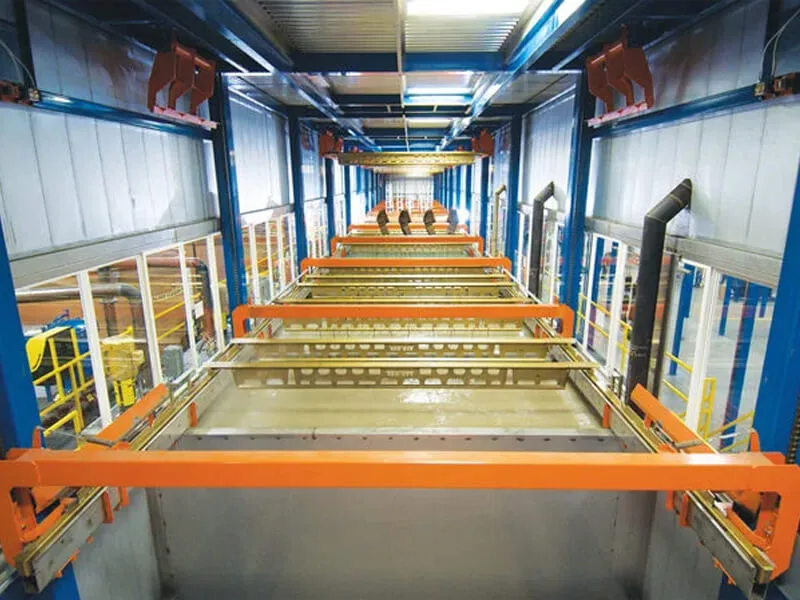
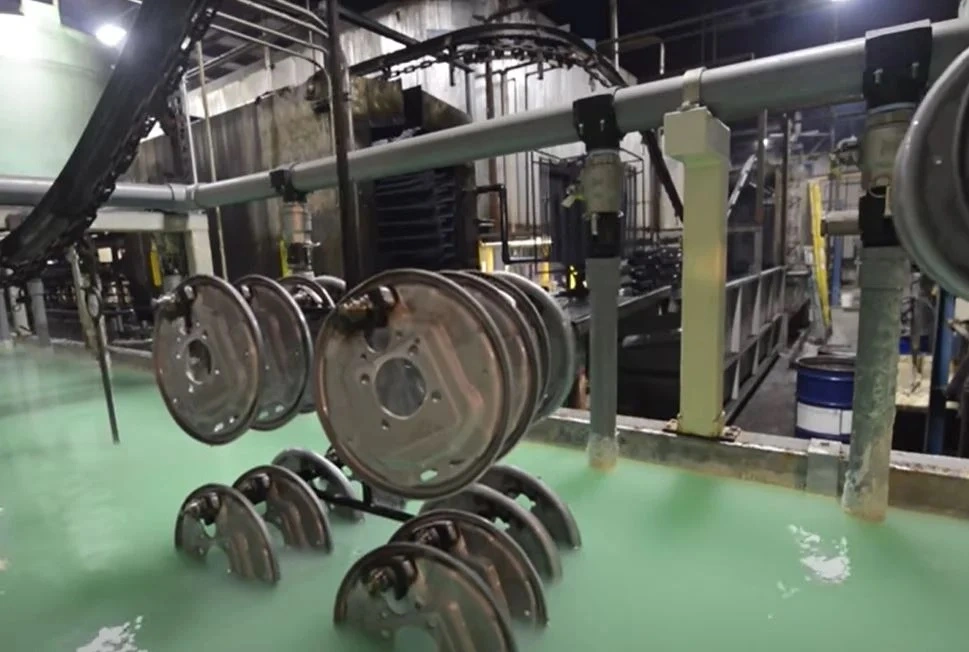
A standard system involves multiple stages: cleaning, rinsing, chemical conversion coating (like iron or zinc phosphate), and a final seal rinse. The parts are either sprayed with or immersed in these solutions.
The design of the washers, tank chemistry control, and drying system are vital. A HANNA-designed powder coating plant ensures this stage is robust and automated, removing human error from the equation.
This is where the dry powder is applied to the prepared parts. The booth's primary function is to contain the overspray—the powder that does not stick to the part on the first pass.
Modern booths are integrated with sophisticated recovery systems. These typically use cyclones and cartridge filters to pull the overspray from the air, separate usable powder from waste, and return it to the feed hopper.
The efficiency of this recovery loop is a major cost driver. A high-efficiency system from HANNA can achieve over 98% powder recovery, drastically reducing material consumption and waste disposal costs.
The curing oven provides the precise, controlled heat needed to melt and flow the powder into a continuous film. This process, called cross-linking, creates the hard, durable finish powder coating is known for.
Oven design is a science. It's not just about getting hot. Airflow, temperature uniformity (±5°C across the entire work envelope is a good benchmark), and energy source (gas, electric, infrared) are key considerations.
An inefficient oven is the largest energy consumer in the powder coating plant. Investing in proper insulation, efficient burner technology, and smart controls from the start leads to massive long-term savings.
How do parts move seamlessly through these stages? That's the material handling system. It is the backbone that defines your plant's capacity and labor requirements.
Options range from simple overhead chain conveyors to sophisticated Power & Free or shuttle systems. The choice depends on part size, weight, production volume, and the need for flexibility.
A well-designed handling system minimizes manual loading/unloading, reduces the risk of damage, and ensures a consistent pace through the curing oven's "cure window."
The level of application automation is the biggest variable in plant design and cost.
Integrating a powder coating robot, like those HANNA specializes in, transforms a plant into a high-precision, low-waste finishing cell, especially valuable for complex or high-value products.
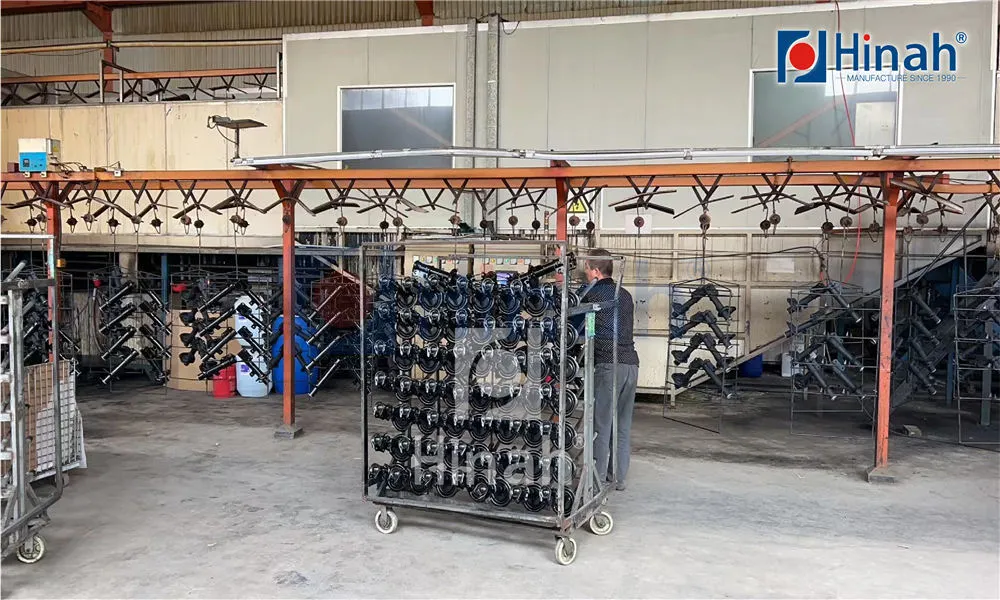
You cannot simply buy a booth from one supplier, an oven from another, and a conveyor from a third and expect optimal performance. The true value of a powder coating plant lies in its integration.
A turnkey supplier like HANNA designs all components to work together. The conveyor speed matches the oven's heat profile. The booth airflow is calculated for the part size and gun configuration. The control system oversees the entire process.
This holistic approach prevents bottlenecks, ensures safety, and guarantees the system meets its promised performance metrics from day one.
Before you get a quote, define your needs clearly. Suppliers need this information to design effectively.
Focusing solely on the initial equipment price is a common mistake. The real cost is the Total Cost of Ownership (TCO).
A cheaper, less efficient plant will cost you more every single day in:
A higher initial investment in a well-engineered powder coating plant from a reputable manufacturer pays for itself through relentless daily savings and reliable output.
Ultimately, a powder coating plant is a core piece of your manufacturing infrastructure. Its performance impacts your product quality, your environmental footprint, and your bottom line.
Choosing a partner who delivers an engineered system—not just hardware—is crucial. It requires proven expertise in process design, component integration, and automation.
For a line built to deliver quality, efficiency, and a strong return on investment for years to come, engaging with an expert like HANNA from the outset is the most important decision you will make.
Q1: What is the typical footprint required for an industrial powder coating plant?
A1: There is no "typical" size, as it scales with your parts and output. A compact, batch-style system for smaller parts might fit in 500 sq. ft. A continuous, high-volume line with full pre-treatment and a large oven can easily require 5,000 sq. ft. or more. A supplier like HANNA can design a layout to maximize your available space.
Q2: How much maintenance does a powder coating plant require?
A2: Regular preventive maintenance is essential for uptime. Daily tasks include booth cleaning and filter checks. Weekly and monthly schedules involve inspecting conveyor components, checking oven burners and airflow, and verifying pre-treatment tank chemistry. A good supplier provides a detailed maintenance manual and training.
Q3: Can a powder coating plant handle different colors efficiently?
A3: Yes, but the process depends on the system. For frequent color changes, a booth with a quick-color-change (QCC) system is used. This involves switching powder hoppers and using purge systems to minimize cross-contamination. For very high-mix production, multiple dedicated booths or advanced robotic cells with internal gun cleaning are solutions.
Q4: What are the main ventilation and environmental regulations to consider?
A4: Regulations vary by location but commonly address air emissions (filter efficiency), water discharge from pre-treatment (pH, metals), and waste powder disposal. A professional powder coating plant manufacturer will design the system to meet or exceed local environmental standards, incorporating appropriate filtration and waste management protocols.
Q5: Can an existing wet paint line be converted to a powder coating plant?
A5: Sometimes, but it's not a simple swap. The infrastructure for powder (high-voltage electrical for guns, different booth/recovery, curing oven) is distinct. The existing pre-treatment might be usable if designed for metal. A feasibility study by an expert like HANNA can determine if conversion is practical or if a new, optimized greenfield installation is more cost-effective.