
You know, after more than two decades in this game, watching trends come and go, one thing remains constant: the absolute, non-negotiable importance of reliable powder coating equipment. It’s not the flashy robot arm that gets the headlines, but the coating line that ensures that car bumper, office chair, or architectural panel doesn’t peel, chip, or rust in five years. Frankly, I’ve always been somewhat dismissive of those who treat it as a mere “spray booth.” It’s so much more. It’s a chemistry set, a physics lab, and an art studio all rolled into one industrial package. The search for “powder coating equipment” isn’t just about buying a machine; it’s about investing in the final, defining quality of a product. It’s a search driven by plant managers losing sleep over transfer efficiency, by entrepreneurs scaling up a custom fabrication shop, by engineers battling VOCs and compliance. That’s who we’re talking to.
If the powder coating system is the body, the electrostatic spray gun is the heart. And what a piece of engineering it is. I remember the early 2000s, the shift from old-school corona guns to the newer tribo models. The debates were fierce! Corona charging, with its high voltage and risk of Faraday cage effects, versus tribostatic charging, using simple friction. The choice here isn’t trivial. For coating intricate patio furniture with lots of nooks and crannies? A tribo gun might be your silent hero, wrapping powder into recesses like a glove. But for sheer, brutal coating speed on large, flat surfaces? A high-end corona gun with a responsive power supply is hard to beat. The modern units? They’re marvels. Digital controls, real-time current monitoring, ergonomic designs that don’t destroy an operator’s wrist by lunchtime. This is where your powder utilization rate—your hard-earned cash literally sticking to the part instead of ending up in the reclaim filter—is won or lost.
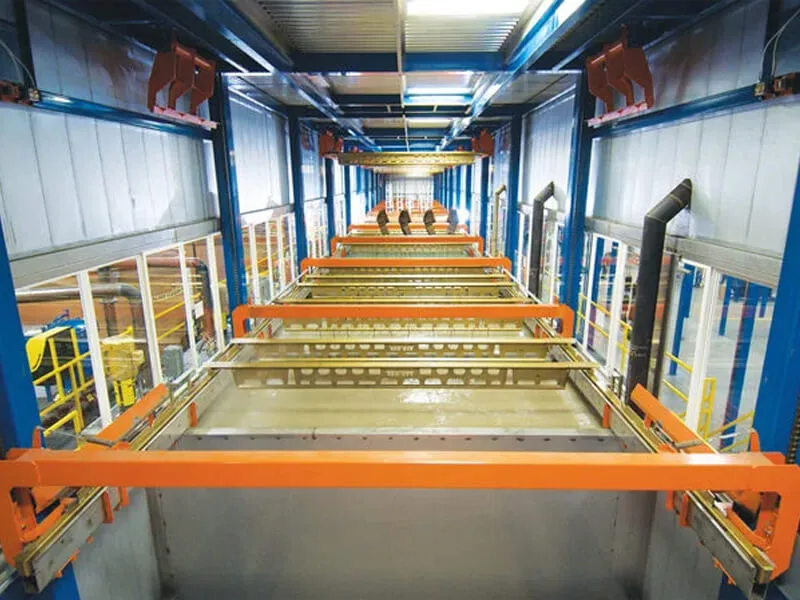
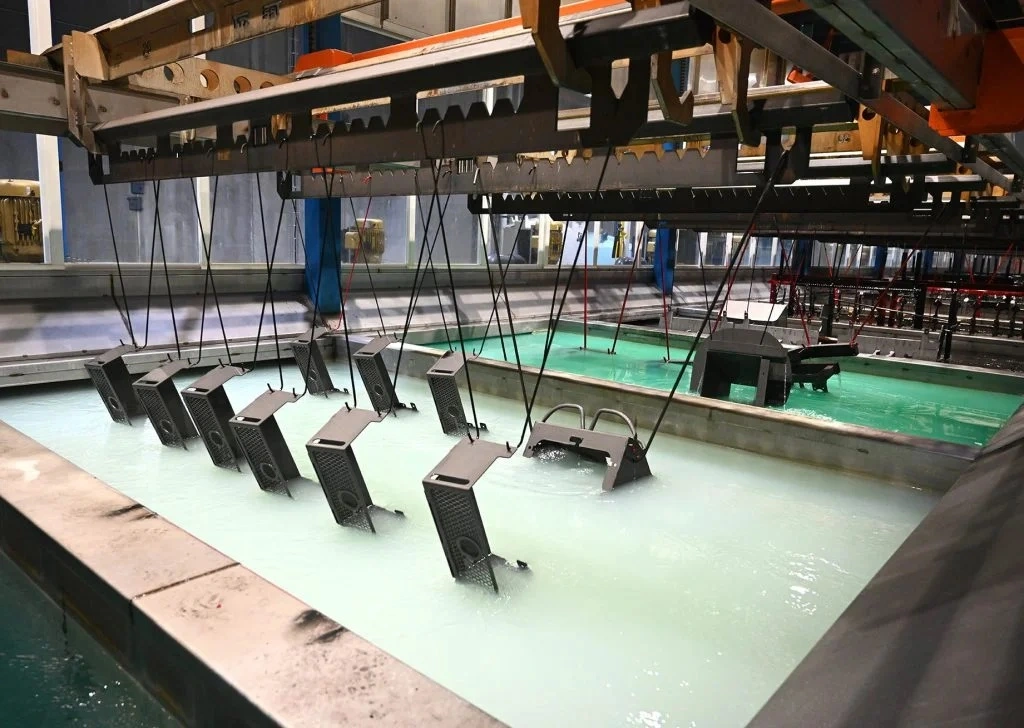
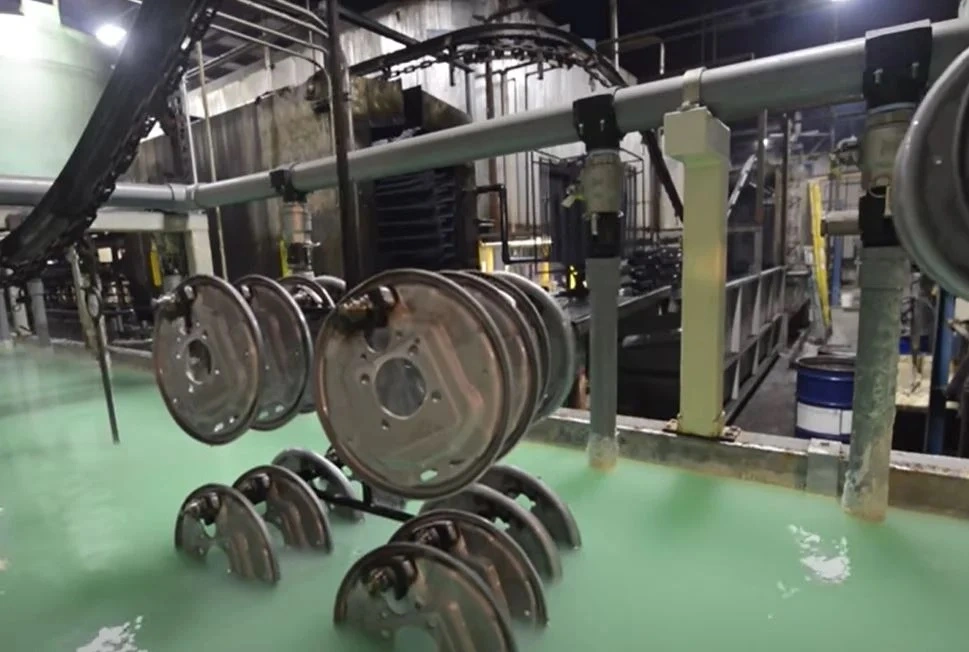
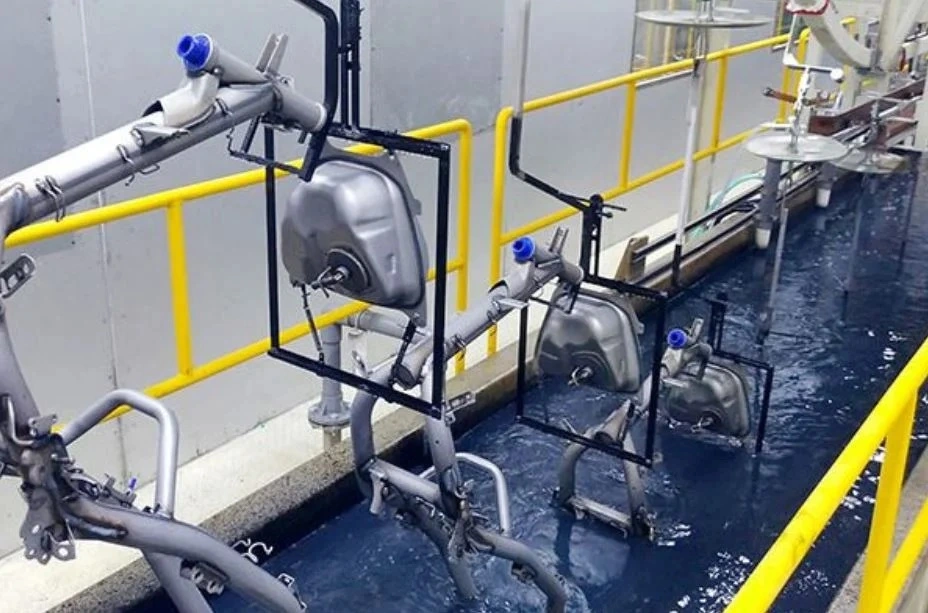
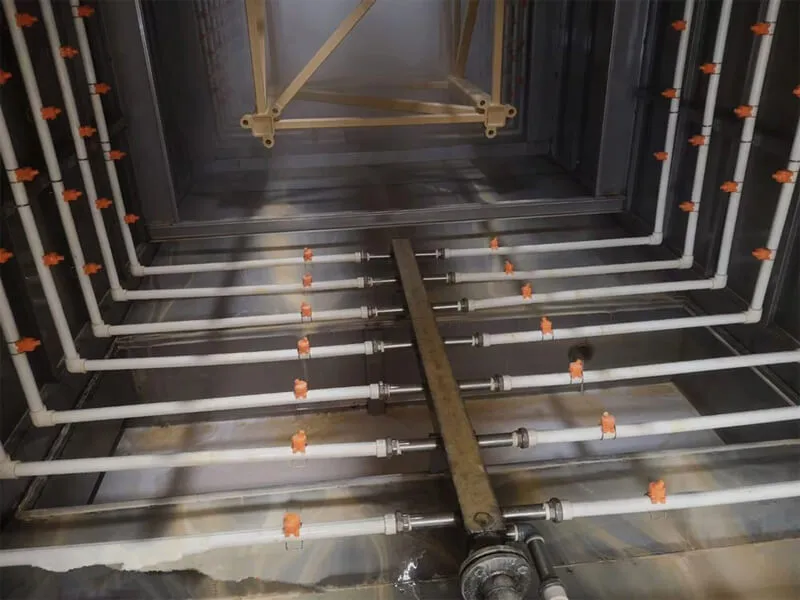
Everyone obsesses over the gun and the powder coating oven. Rightly so. But the magic happens in the dance between them. Let’s talk about the powder booth and recovery system. A poorly designed one is a money pit. I’ve walked into facilities where the air velocity is all wrong, creating a fog of overspray that clogs filters every hour. The result? Downtime, wasted material, frustrated operators. A well-tuned recovery system, with a clean, stable fluidized bed in the feed hopper, is a thing of beauty. It creates a closed-loop, sustainable process that would make any CFO smile. And the pretreatment stage? Oh, don’t get me started on shops that try to skip proper phosphating or chromating before the powder even flies. Garbage in, garbage out. The best electrostatic spray gun in the world can’t fix a poorly prepared substrate. Adhesion failure down the line is almost always traced back here, to the washers and chemical baths that nobody wants to budget for.
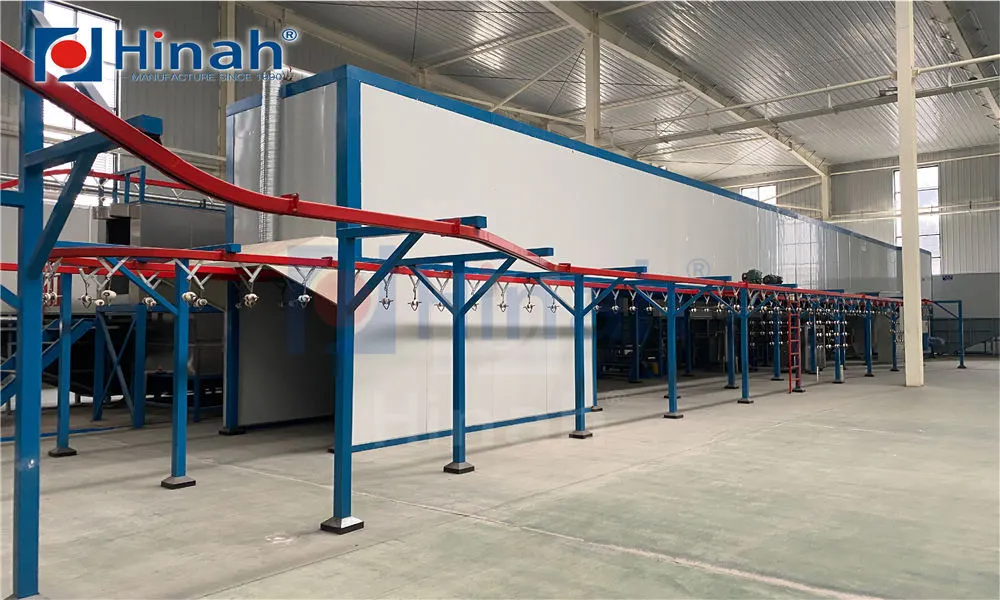
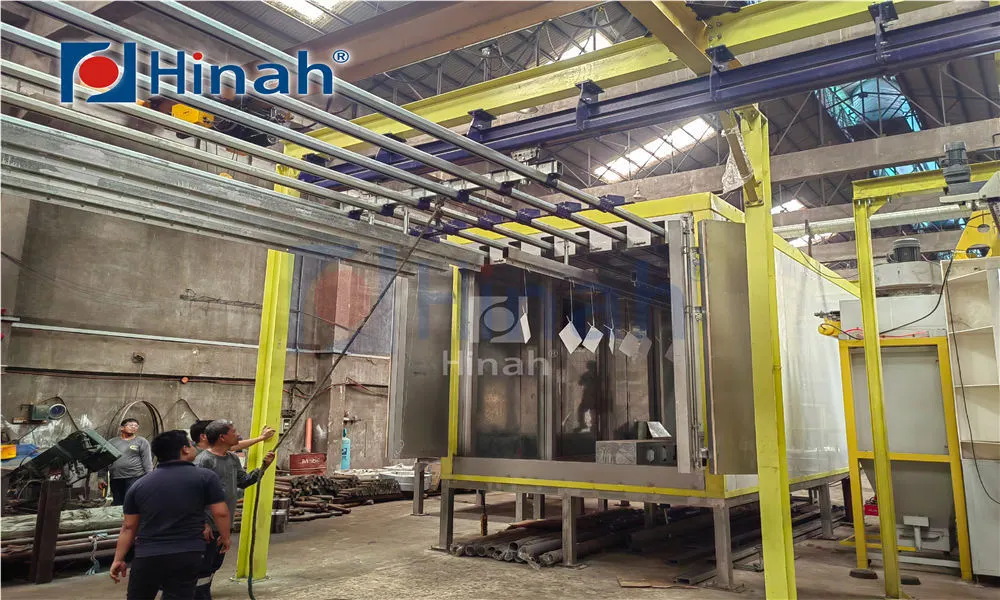
This is the moment of truth. The powder coating oven. I have a personal rule of thumb: if you’re budgeting for a new line, allocate more to the oven than you think you need. Not just physical size, but control. Precision. A few degrees of variation across the belt, a hot spot near the burner, and your cure schedule is shot. You get under-cure, a finish that’s soft and vulnerable. Or over-cure, resulting in brittleness and discoloration. Modern infrared ovens offer speed for certain products, but for consistency across mixed loads, a well-insulated convection oven is the old reliable. The curing process is non-negotiable. It’s where the loose, decorative dust transforms into a continuous, thermoset polymer skin. Skipping on oven quality is like baking a cake in an oven with a broken thermostat—you’re just hoping for the best.
I recall a client, a mid-sized agricultural equipment maker. They were using decent powder coating equipment but struggled with consistency on heavy, welded assemblies. The problem? Grounding. Or lack thereof. Those massive, complex parts weren’t getting a solid earth connection. The electrostatic attraction was weak, powder fell off before the oven, coverage was patchy. The solution wasn’t a new gun; it was a team of technicians meticulously installing and maintaining ground clamps on every fixture. Sometimes the most advanced tech needs the simplest, most diligent support. Another time, a shop switched to a “bargain” powder without testing. The particle size distribution was off. It clogged their spray guns constantly, the fluidization was terrible, and the finish texture looked like orange peel. They lost a week’s production. The lesson? Your equipment and your materials are a married couple. They have to be compatible.
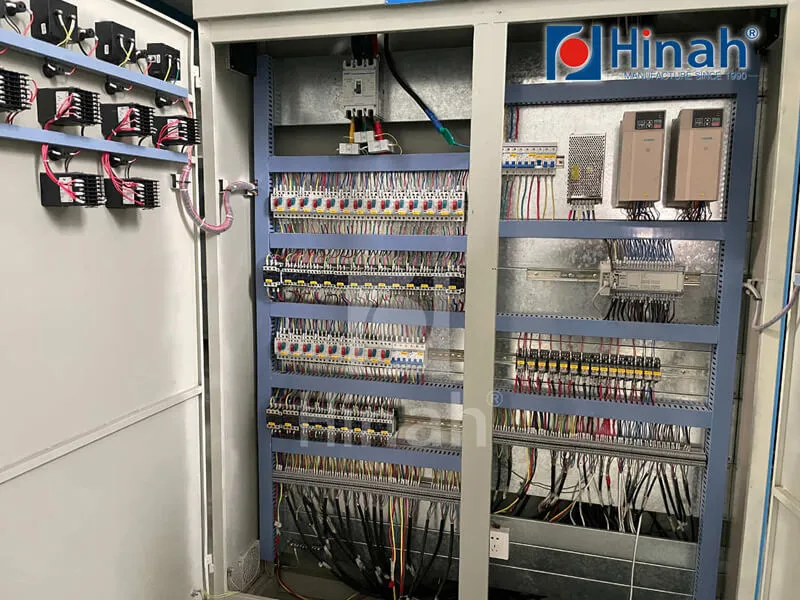
The conversation is shifting. It’s no longer just about buying a piece of powder coating equipment. It’s about integrating a smart, data-driven powder coating system. We’re seeing guns with IoT sensors that log spray patterns and maintenance alerts. Ovens with thermal profiling that auto-adjusts for load density. Central control systems that optimize the entire curing process from a single dashboard. The goal? Zero defects. Predictive maintenance. Maximized first-pass transfer efficiency. This is where the industry is heading. For a new investor, looking at this not as a cost center but as a critical quality and sustainability pillar is key. The right equipment pays for itself not just in material savings, but in brand reputation. A flawless, durable finish is the best silent salesperson your product will ever have.
So, where does this leave you? Researching powder coating equipment is a deep dive. Don’t just look at specs and price tags. Think about your product mix, your throughput, your operators’ skill level. Consider the total cost of ownership—energy use, powder waste, maintenance downtime. Visit other facilities. Talk to veterans. And for heaven’s sake, run production samples with your shortlisted vendors. See the system, the gun, the oven, work on your parts. The investment is significant, but the payoff—in quality, efficiency, and environmental compliance—is monumental. In the end, the coating line is the last thing that touches your product before it goes to the customer. Make sure it’s saying the right thing.
Q: What’s the biggest maintenance mistake with a powder coating system?
A: Neglecting daily booth and gun cleaning. Powder is designed to stick. Let it build up, and you’ll get contamination, poor grounding, and erratic spray performance. Ten minutes at shift’s end saves hours of headache.
Q: Can I retrofit an old liquid paint booth for powder coating equipment?
A: Sometimes, but rarely well. Powder requires specific airflow (down-draft), thorough electrical grounding, and explosion-proofing considerations that liquid systems often lack. A conversion often costs more than a purpose-built starter booth.
Q: How critical is the powder itself to the equipment’s performance?
A: Absolutely critical. The powder’s chemistry, glass transition temperature, and particle size dictate the gun settings, curing schedule, and final film properties. They are an inseparable team. Never buy one without considering the other.